

 Preview
 Send
Send Share
Share
 Details

 Download
 Similars
 X-Ray
X-Ray Diaporama
 Stats
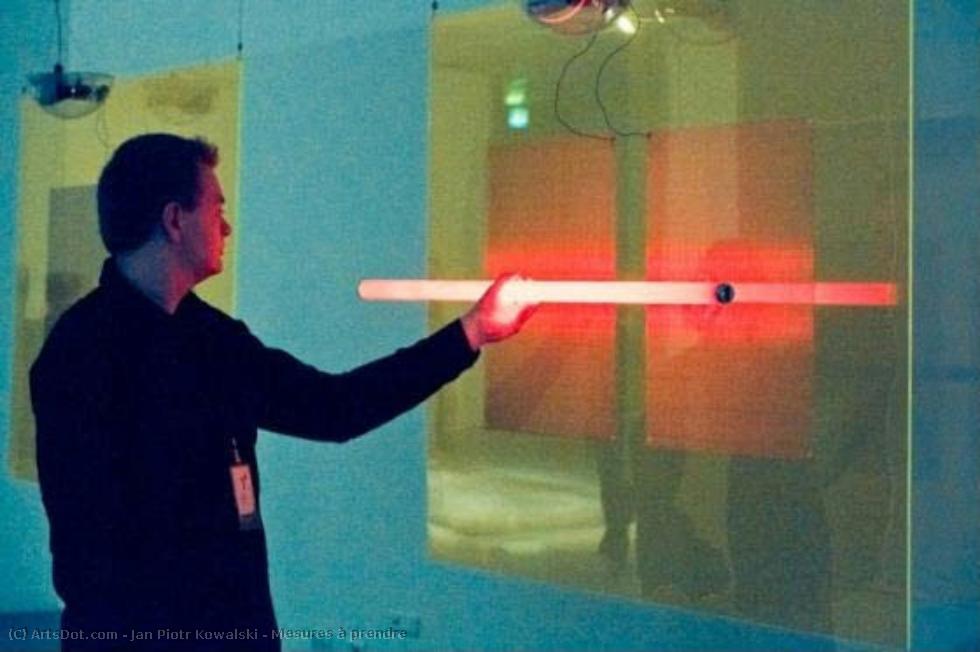
StatsMesures à prendre

 Read More
Purchase a high-resolution, enhanced digital image, far superior to the online preview.
Each file is meticulously prepared by our in-house specialists using advanced tools and expert manual retouching. We ensure every image has exceptional clarity, precise color accuracy, and fine detail.
The final file is delivered via email within 72 hours, optimized for immediate use in professional, editorial, and print environments. This is the same quality trusted by top-tier design studios, publishers, and galleries.
Digital Image
Download a high-resolution file for personal display, printing, and creative projects. ( Switch to Print Buy Hand Made Painting)
Included in Every Digital Image Order
Expert Digital Delivery, Guaranteed
When you choose ArtsDot.com, you're not just getting an image - you're receiving a professionally enhanced digital artwork, crafted with precision and backed by a satisfaction guarantee. Here's everything that comes with your order, automatically:

Fast Email Delivery
Your high-resolution digital image file will be emailed to you within 72 hours of ordering - ready for immediate use.

AI-Enhanced Digital File
Your artwork is professionally optimized using advanced AI tools and manual editing, ensuring maximum detail, clarity, and color accuracy.

Free Lifetime Re-Delivery
Accidentally deleted or lost your file? No worries - we'll resend it to you anytime, free of charge.

No Import Fees - Ever
Enjoy your artwork instantly with zero customs, duties, or delivery fees - digital downloads are always tax-free.

Color Accuracy Guarantee
We ensure your digital image reflects the original colors as closely as possible using professional tools and color management.

100-Day Satisfaction Guarantee
If you're not satisfied with your digital image, we'll revise it or refund 100% within 100 days - no questions asked.

100% Money-Back Guarantee
Not satisfied? Get a full refund within 100 days of receiving your digital file - no questions asked.

Bulk Order Discounts
Buy 3 images, save 10% - Buy 5, save 15% - Buy 10+, save 20%. Great for creative projects, galleries, and agencies.
Related Artworks









Artist Biography
A Life Forged in Science and Imagination: The Singular Vision of Jan Piotr Kowalski
Jan Piotr Kowalski, a name perhaps less instantly recognizable than some of his contemporaries, nevertheless represents a fascinating intersection of art, architecture, mathematics, and scientific inquiry. Born on March 2nd, 1927, in Lviv, Poland – a city steeped in history and cultural exchange – his early life was profoundly shaped by the upheaval of World War II. Forced into displacement as a refugee, Kowalski’s journey would ultimately lead him to embrace a path far removed from traditional artistic boundaries. He wasn't an artist who simply *depicted* the world; he sought to actively *interrogate* it through his creations, transforming abstract concepts into tangible experiences. This early experience of instability and change perhaps fueled a lifelong fascination with systems, forces, and the ephemeral nature of existence.From Architecture to Exploratory Art
Kowalski’s formal education began with studies in mathematics and architecture at the Massachusetts Institute of Technology (MIT) from 1947 to 1952. This foundation proved crucial, instilling a rigorous analytical approach that would later characterize his artistic endeavors. He spent several years working as an architect for prominent figures like I.M. Pei and Marcel Breuer, contributing to significant projects under their guidance at UNESCO in Paris. However, the constraints of conventional architecture soon felt limiting. Kowalski wasn’t content merely to design spaces; he wanted to *activate* them, to imbue them with a sense of wonder and intellectual curiosity. This desire led him to abandon traditional architectural practice in the late 1950s and embark on a unique artistic journey. He began exploring non-traditional materials – electronic devices, neon lights, even explosions – as means of expressing complex scientific principles and natural phenomena.The Language of Physics: A Poetic Approach
Kowalski’s work defies easy categorization. It wasn't painting, sculpture, or installation in the conventional sense; it was a hybrid form that blended elements of all three. He sought to make the laws of physics *perceptible*, using poetic means and contemporary tools to stimulate the imagination. His sculptures often incorporated light, gases, lasers, magnetic energy, holograms, and even the internet – technologies at the forefront of their time. A key element in his artistic philosophy was a rejection of purely aesthetic concerns; for Kowalski, art wasn’t about beauty alone but about creating an “urgent necessity,” a direct expression of social activism and intellectual exploration. He believed that art should be accessible, engaging, and capable of transforming our understanding of the world around us.- Early Works: Initial explorations focused on kinetic sculptures utilizing simple mechanical elements to demonstrate principles of motion and balance.
- Neon Installations: Kowalski became known for his striking neon installations, often creating immersive environments that played with light, color, and perception. These works weren’t merely decorative; they were intended to evoke a sense of wonder and contemplation.
- Large-Scale Earthworks & Explosions: Perhaps the most audacious aspect of Kowalski's practice was his use of large-scale earthworks and controlled explosions as artistic interventions. These projects, often temporary in nature, explored themes of entropy, transformation, and the power of natural forces.
Legacy and Historical Significance
Jan Piotr Kowalski’s influence extends beyond the realm of visual art. His work anticipated many of the concerns that would come to define conceptual art, land art, and new media art in the decades following his most active period. He was a pioneer in using technology as an artistic medium, pushing the boundaries of what was considered possible. His dedication to interdisciplinary collaboration – working with philosophers, scientists, and poets like Ghérasim Luca – further solidified his position as a unique voice within the 20th-century avant-garde. Kowalski’s legacy lies in his unwavering commitment to exploring the intersection of art, science, and social consciousness, leaving behind a body of work that continues to challenge and inspire. He passed away on January 7th, 2004, in Paris, but his vision – a world where art is not merely observed but actively experienced – remains powerfully relevant today. His sculptures are testaments to the power of imagination and the enduring human desire to understand the universe.
jan piotr kowalski
1927 - 2004 , Poland
Quick Facts
- Artistic Movement Or Style: Experimental Art
- Artists Who Influenced This Artist:
- I. M. Pei
- Marcel Breuer
- Date Of Birth: March 2, 1927
- Date Of Death: January 7, 2004
- Full Name: Jan Piotr Kowalski
- Nationality: Polish-French
- Place Of Birth: Lviv, Poland