- Home

- Oil Painting Reproduction
- Jan Sadeler, Jan Sadeler I, Jan Sadeler The Elder, Johannes Sadeler, Johannes Sadeler I, Johannes Sadeler The Elder, Joan Sadeler, Joan Sadeler I, Joa
 Preview
 Send
Send Share
Share
 Details

 Download
 Similars
 X-Ray
X-Ray Diaporama
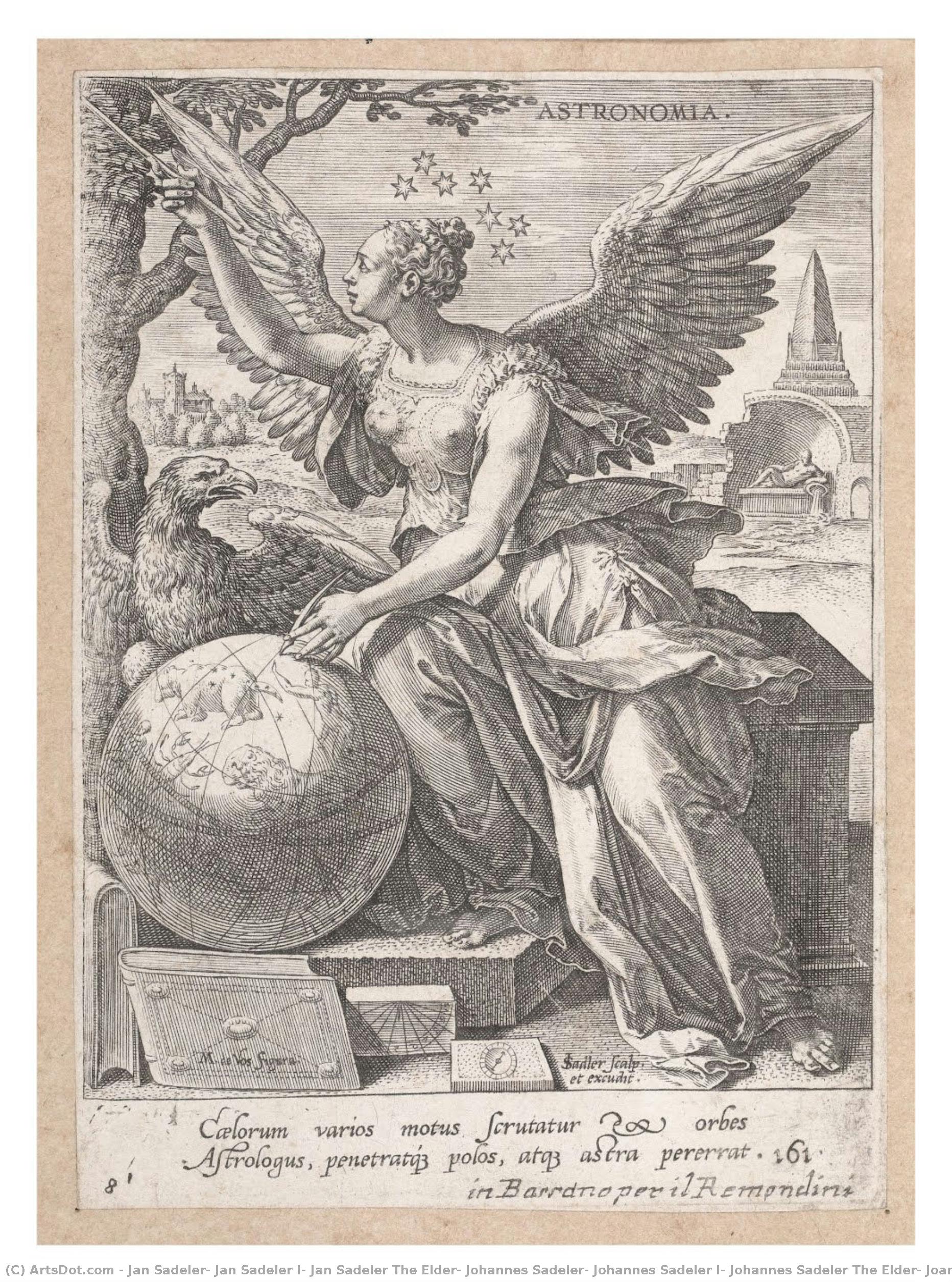
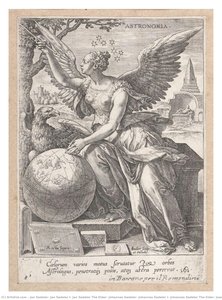
Allegory of astronomy
 1600
1600 14.0 x 10.0 cm
 Nicolaus Copernicus Museum
 Read More
Hand Made Oil Reproduction
Hand-painted oil on canvas in your size and frame, made to order by our artists. ( Buy Print Buy Image)




































Pick from our preset sizes that match the artwork's original proportions.

You may enter your own dimensions to fit a specific frame or space. If your selected size does not match the original image's proportions, we will either crop the artwork or extend the painting with additional hand-painted elements. A digital mockup will be sent for your approval before production begins.
Please note that the on-screen preview does not reflect the actual cropping or extension. Only the mockup will accurately show the final composition.
While custom sizes are available, we recommend selecting a dimension from the predefined list to preserve the original proportions.
After order, ArtsDot.com team will email client for instructions and provide a mockup preview
Worldwide Delivery () in 3/4 weeks instead of standard 5 weeks. (1 September). No compromise on quality.

Free Worldwide Express Shipping

High-Quality Linen Canvas

Full Shipping Insurance

Customs Tax Refund Guarantee

True Color Matching Guarantee

60-Day Return Policy (Defects Only)

100% Money-Back Guarantee

Bulk Discount Offer
 Glass option is only available in size under 110 CM

Allegory of astronomy
Reproduction Medium
Reproduction Size
-


Total Price
$ 263
Related Artworks



Artist Biography
A Life Etched in Line: Jan Sadeler I and the Flourishing of Engraving
Jan Sadeler I, a pivotal figure in the late 16th-century Northern European printmaking landscape, embodies the dynamic spirit of an era defined by artistic innovation and religious upheaval. Born around 1550, likely in Brussels within the Spanish Netherlands, Sadeler’s life was one of constant movement, mirroring the turbulent times he inhabited. He emerged from a family deeply entrenched in the craft of engraving – his father and brothers also pursued this demanding art form – establishing a lineage that would leave an indelible mark on the visual culture of their period. While precise details regarding his early training remain elusive, it’s clear he quickly mastered the intricate techniques required to translate artistic visions into finely detailed copperplate engravings. His initial apprenticeship likely occurred within the bustling workshops of Antwerp, then a vibrant hub for print production and distribution. The city's prominence as a commercial center provided fertile ground for aspiring artists like Sadeler to hone their skills and establish connections with prominent publishers such as Christopher Plantin, whose influence would shape his early career.From Antwerp Workshops to Imperial Courts: A Journey of Artistic Patronage
Sadeler’s professional trajectory was marked by a series of relocations driven by both artistic opportunity and the political instability of the Low Countries. The Dutch Revolt forced many artists to seek patronage elsewhere, and Sadeler followed this pattern, moving with his brother Aegidius I initially to Cologne around 1579. This period saw them continuing their collaborative work, producing engravings based on designs by leading contemporary artists. However, their ambition extended beyond mere reproduction; they sought to establish themselves as independent masters capable of original creation and interpretation. The brothers’ travels took them through various German cities – Mainz and Frankfurt am Main among others – before a significant turning point arrived with their appointment at the court of Duke William V in Munich in 1588. This prestigious position offered financial security, access to a discerning clientele, and the chance to work on large-scale projects, including ambitious series depicting biblical scenes and allegorical subjects. The imperial privilege granted to Sadeler in 1581, later renewed, underscored his growing reputation and legal standing as an artist and publisher. This period of courtly patronage was not without its challenges; the brothers’ departure from Munich in 1595 suggests a complex relationship with their employer, though the exact reasons remain debated.The Venetian Interlude and the Legacy of Detail
Following their time in Munich, Jan Sadeler I and his brother ventured further south to Italy, settling initially in Verona before ultimately establishing themselves in Venice by 1596/7. This move marked a shift in artistic focus, with Sadeler engaging more directly with the Venetian Renaissance tradition. He collaborated with artists from the Bassano family, renowned for their dynamic compositions and vibrant color palettes, translating their paintings into engravings that further disseminated their style throughout Europe. The Venetian period also saw Sadeler refine his already meticulous technique, achieving an extraordinary level of detail in his work. His engravings are characterized by precise line work, subtle shading, and a remarkable ability to capture textures and forms. This dedication to realism and technical virtuosity became a hallmark of his artistic identity. Jan Sadeler I’s death occurred around 1600, either in Brussels or Venice, leaving behind a substantial body of work that continues to captivate viewers today. His son, Justus Sadeler, continued the family tradition, taking over the firm in Venice and ensuring its continued success.Themes, Influences, and Lasting Significance
Sadeler’s oeuvre encompasses a wide range of subjects, including religious scenes from the Passion of Christ, allegorical representations of virtues and vices, portraits, landscapes, and genre scenes. His work reflects the prevailing artistic trends of his time, drawing inspiration from Mannerism, Renaissance classicism, and the burgeoning Baroque style. He was particularly adept at translating the compositions of Bartholomeus Spranger into engravings, contributing to the widespread dissemination of this influential artist’s distinctive aesthetic. His ability to synthesize diverse influences while maintaining a consistent level of technical excellence set him apart from his contemporaries. The Sadeler family workshops played a crucial role in shaping the visual culture of the 16th and 17th centuries, producing affordable prints that made art accessible to a wider audience. Their engravings served not only as reproductions of existing artworks but also as independent works of art, influencing artists and collectors across Europe. Jan Sadeler I’s legacy extends beyond his individual achievements; he established a dynasty of engravers whose work continues to be studied and admired for its technical brilliance, artistic sensitivity, and historical significance. His contribution to the development of printmaking as a major art form remains undeniable, solidifying his place as a master etcher and a key figure in the Northern Renaissance.- Master Engraver: Renowned for exceptional detail and precision in copperplate engraving.
- Family Dynasty: Part of a prolific family of engravers who dominated printmaking in Northern Europe.
- Collaborations: Worked with prominent artists like Christopher Plantin, Bartholomeus Spranger, and the Bassano family.
- Patronage: Served at the court of Duke William V in Munich, receiving imperial privileges.
- Dissemination of Style: Contributed to the widespread circulation of artistic ideas through affordable prints.
Quick Facts
- Artistic Movement Or Style: Engraving, Printmaking
- Date Of Death: 1600
- Full Name: Jan Sadeler I
- Nationality: Netherlandish
- Notable Artworks:
- Betrayal of Christ
- Allegory of astronomy
- Eleazar Burned by Ant