

 Preview
 Send
Send Share
Share
 Details

 Download
 Similars
 X-Ray
X-Ray Diaporama
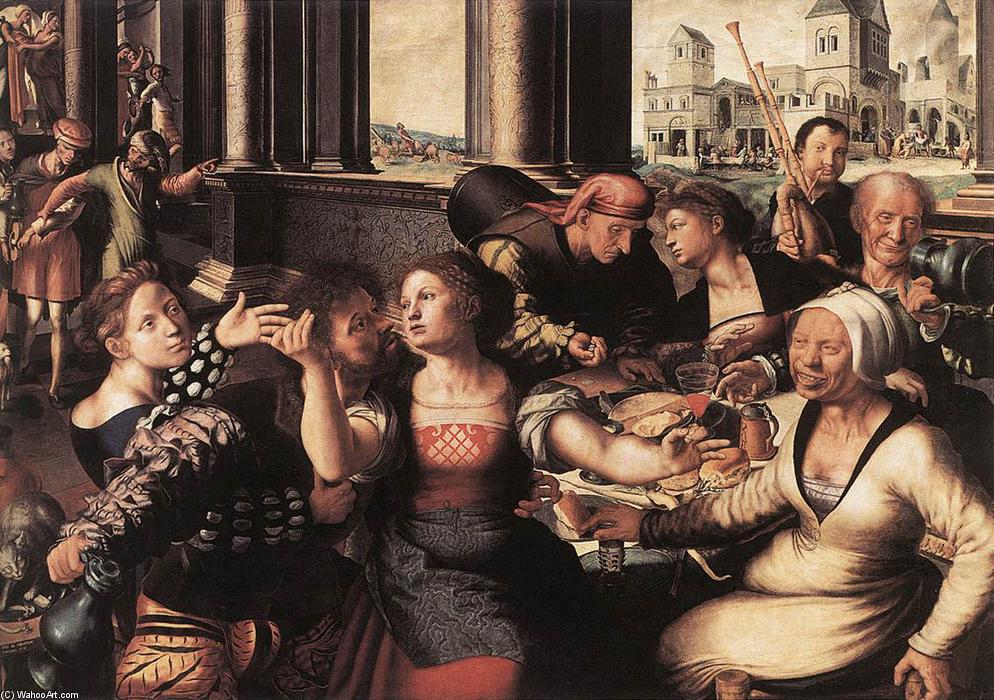
The Prodigal Son
 Oil On Canvas
- WallArt
- Northern Renaissance
 1536
1536 140.0 x 198.0 cm
 Musées Royaux des Beaux-Arts
 Read More
Purchase a high-resolution, enhanced digital image, far superior to the online preview.
Each file is meticulously prepared by our in-house specialists using advanced tools and expert manual retouching. We ensure every image has exceptional clarity, precise color accuracy, and fine detail.
The final file is delivered via email within 72 hours, optimized for immediate use in professional, editorial, and print environments. This is the same quality trusted by top-tier design studios, publishers, and galleries.
Digital Image
Download a high-resolution file for personal display, printing, and creative projects. ( Buy Print Buy Hand Made Painting)
Included in Every Digital Image Order
Expert Digital Delivery, Guaranteed
When you choose ArtsDot.com, you're not just getting an image - you're receiving a professionally enhanced digital artwork, crafted with precision and backed by a satisfaction guarantee. Here's everything that comes with your order, automatically:

Fast Email Delivery
Your high-resolution digital image file will be emailed to you within 72 hours of ordering - ready for immediate use.

AI-Enhanced Digital File
Your artwork is professionally optimized using advanced AI tools and manual editing, ensuring maximum detail, clarity, and color accuracy.

Free Lifetime Re-Delivery
Accidentally deleted or lost your file? No worries - we'll resend it to you anytime, free of charge.

No Import Fees - Ever
Enjoy your artwork instantly with zero customs, duties, or delivery fees - digital downloads are always tax-free.

Color Accuracy Guarantee
We ensure your digital image reflects the original colors as closely as possible using professional tools and color management.

60-Day Satisfaction Guarantee
If you're not satisfied with your digital image, we'll revise it or refund 100% within 60 days - no questions asked.

100% Money-Back Guarantee
Not satisfied? Get a full refund within 60 days of receiving your digital file - no questions asked.

Bulk Order Discounts
Buy 3 images, save 10% - Buy 5, save 15% - Buy 10+, save 20%. Great for creative projects, galleries, and agencies.
Collectible Description
A Window Into Moral Reflection: Jan Sanders van Hemessen’s “The Prodigal Son”
Jan Sanders van Hemessen's "The Prodigal Son," completed in 1536, transcends mere visual representation; it embodies the spirit of Northern Renaissance art and serves as a poignant meditation on repentance and divine forgiveness. Housed within the Royal Museums of Fine Arts of Belgium in Brussels—a testament to its enduring significance—this monumental oil painting on oak panel offers an unparalleled glimpse into the artistic sensibilities and moral concerns of its time. Measuring 140 x 198 cm, the canvas pulsates with life, capturing a pivotal moment from biblical scripture with breathtaking realism and dramatic flair.Composition & Narrative Depth
The artwork’s genius lies in its masterful juxtaposition of contrasting scenes—a deliberate strategy designed to amplify its didactic purpose. The foreground depicts the prodigal son indulging in opulent excess: surrounded by alluring women, musicians, wine goblets overflowing with libations, and gamblers engrossed in their games. These figures embody worldly pleasures, representing the temptations that lead away from righteousness. Simultaneously, a window—a recurring motif in Northern Renaissance art—reveals a desolate landscape mirroring the prodigal son’s fallen state: he wanders amongst swine, symbolizing degradation and spiritual impoverishment. Yet, crucially, this bleak backdrop is illuminated by the radiant glow of divine grace as his father welcomes him back with unwavering compassion and forgiveness. This duality underscores the central theme – that redemption is attainable through humility and acknowledging one's failings.Stylistic Innovation & Artistic Technique
Van Hemessen’s distinctive style distinguishes “The Prodigal Son” from its contemporaries, marking it as a pioneer of Flemish genre painting. He employed bold foreshortening—a technique borrowed from classical sculpture—to create an illusion of depth and immediacy, immersing the viewer within the scene's emotional core. Brusque gestures characterize his figures’ postures, conveying dynamism and capturing fleeting expressions of emotion with remarkable accuracy. The artist skillfully utilized color to heighten dramatic impact; vibrant reds dominate the opulent interior, symbolizing wealth and indulgence, while cooler hues depict the barrenness of the external landscape. Furthermore, Van Hemessen's meticulous attention to detail—evident in the intricate costumes, textures of fabrics, and subtle nuances of facial expressions—reflects a commitment to portraying reality with uncompromising fidelity.Historical Context & Moral Significance
“The Prodigal Son” emerged during a period of profound intellectual and artistic ferment within Europe – the High Renaissance – where humanist ideals championed reason and observation alongside religious piety. The painting reflects the anxieties surrounding moral conduct prevalent in Protestant Reformation-era Antwerp, where artists sought to convey ethical lessons alongside aesthetic beauty. Van Hemessen’s work aligns with the broader trend toward portraying biblical narratives as vehicles for spiritual instruction, demonstrating a desire to engage viewers on both an emotional and intellectual level. It speaks powerfully to questions of faith, repentance, and divine mercy—themes that continue to resonate across centuries.Emotional Resonance & Artistic Legacy
The painting’s enduring appeal stems from its ability to evoke profound empathy for the prodigal son's predicament and celebrate the transformative power of forgiveness. The artist’s masterful rendering captures not only the physical appearance but also the psychological complexities of human experience—a hallmark of Northern Renaissance art that anticipates developments in Baroque painting. “The Prodigal Son” remains a cornerstone of Flemish artistic heritage, inspiring artists for generations to come and cementing Jan Sanders van Hemessen's place as one of the foremost masters of his era. Its luminous colors and dramatic composition continue to captivate audiences today, reminding us of the enduring relevance of biblical narratives and the timeless beauty of artistic expression.- Handmade oil paintings reproductions of “The Prodigal Son” are available at https://ArtsDot.com
- For more information on Jan Sanders van Hemessen and his works, visit https://en.wikipedia.org/wiki/Jan_Sanders_van_Hemessen.
Related Artworks
Artist Biography
Jan Sanders van Hemessen: A Pioneer of Flemish Genre Painting
Jan Sanders van Hemessen (c. 1500 – c. 1566) stands as a pivotal figure in the history of Flemish Renaissance art, particularly recognized for his groundbreaking contributions to genre painting and his masterful depiction of moralizing scenes imbued with remarkable contemporary detail. Born around 1500 in Hemiksem, Belgium—then part of the Duchy of Brabant—van Hemessen’s artistic journey began under the tutelage of Hendrick van Cleve I in Antwerp, establishing him firmly within the vibrant artistic milieu of the burgeoning Renaissance Netherlands. His formative years were marked by a profound engagement with classical ideals and humanist scholarship, fueled by his exposure to models from antiquity like Laocoön and Michelangelo's sculptures—influences that would permeate his subsequent oeuvre.- Early Training & Travels: Van Hemessen’s apprenticeship instilled in him foundational artistic skills and broadened his horizons through expeditions to Italy during the early 1520s. This pivotal visit allowed him to immerse himself in the artistic fervor of Florence and Rome, absorbing the stylistic innovations championed by Leonardo da Vinci and Michelangelo—artists whose monumental achievements profoundly impacted the visual language of their time. Notably, he also ventured to Fontainebleau near Paris in mid-1536, where he witnessed firsthand the burgeoning “First School of Fontainebleau,” a collective of Italian artists tasked with adorning the palace of Fontainebleau under Francis I. This experience solidified his understanding of Mannerist aesthetics and foreshadowed the stylistic developments that would characterize the era.
- Romanist Influence & Artistic Style: Van Hemessen’s artistic sensibilities aligned seamlessly with the Romanist movement, a faction within Flemish painting deeply indebted to Italian Renaissance ideals. The Romanists sought to emulate the grandeur and sophistication of Florentine art, prioritizing idealized forms and harmonious compositions—a stylistic approach that distinguished itself from the prevailing Gothic traditions of Northern Europe. His paintings frequently incorporated elements of classical mythology and allegory, reflecting the humanist preoccupation with moral philosophy and intellectual discourse.
Genre Painting & Moralizing Visions
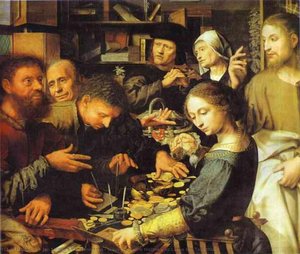
Van Hemessen’s artistic legacy rests principally upon his pioneering role in establishing genre painting as a distinct artistic category within Flemish art. Unlike religious iconography—which dominated much of Northern Renaissance painting—genre scenes captured everyday life, portraying individuals engaged in commonplace activities and interactions with unflinching realism. However, these depictions weren't merely observational; they served as vehicles for moral instruction, conveying ethical precepts through carefully crafted narratives and symbolic imagery. His celebrated masterpiece, “The Prodigal Son,” exemplifies this dual function brilliantly. Set against a richly detailed tavern backdrop—a testament to his meticulous attention to contemporary architectural styles and attire—the scene unfolds with dramatic tension, illustrating the parable’s central themes of repentance and forgiveness. This work foreshadowed the "Merry Company" tradition that would flourish in subsequent decades, demonstrating van Hemessen's ability to infuse secular subjects with profound spiritual resonance.- Notable Works: Among his numerous paintings are “The Calling of Saint Matthew,” depicting a biblical scene rendered with remarkable psychological depth and capturing the palpable atmosphere of a bustling marketplace; “Allegory of Nature as the Mother of Art,” showcasing an elaborate tableau celebrating artistic creativity—a testament to van Hemessen’s masterful command of composition and color; and portraits of prominent figures, including Catharina van Hemessen herself – demonstrating his exceptional skill in capturing likeness and conveying character.
Legacy & Historical Significance
Despite the devastation wrought by the “Beeldenstorm” (Iconoclasm) of 1566—which decimated Antwerp’s artistic treasures during a period of religious upheaval—Jan Sanders van Hemessen's influence endured, shaping the trajectory of Flemish art and establishing him as one of the foremost artists of his time. His innovative approach to genre painting challenged conventional artistic norms, elevating everyday life to the realm of aesthetic contemplation and imbuing it with moral significance. Furthermore, his engagement with Mannerist aesthetics—characterized by stylized forms and dramatic contrasts—anticipated stylistic developments that would propel Flemish art into a new era of expressive dynamism. Van Hemessen’s enduring reputation as a visionary artist testifies to his unwavering commitment to artistic excellence and his indelible contribution to the cultural heritage of Northern Europe.
Jan Sanders van Hemessen
1500 - 1566 , Belgium
Quick Facts
- Artistic Movement Or Style: Romanist School
- Artists Or Movements Influenced By This Artist: ['Pieter Aertsen']
- Artists Who Influenced This Artist: ['Hendrick van Cleve I']
- Date Of Birth: c. 1500
- Date Of Death: c. 1566
- Full Name: Jan Sanders van Hemessen
- Nationality: Flemish
- Notable Artworks:
- The Prodigal Son
- The Calling of Saint Matthew
- Allegory of Nature as the Mother of Art
- Place Of Birth: Hemiksem, Belgium

