

 Preview
 Send
Send Share
Share
 Details

 Download
 Similars
 X-Ray
X-Ray Diaporama
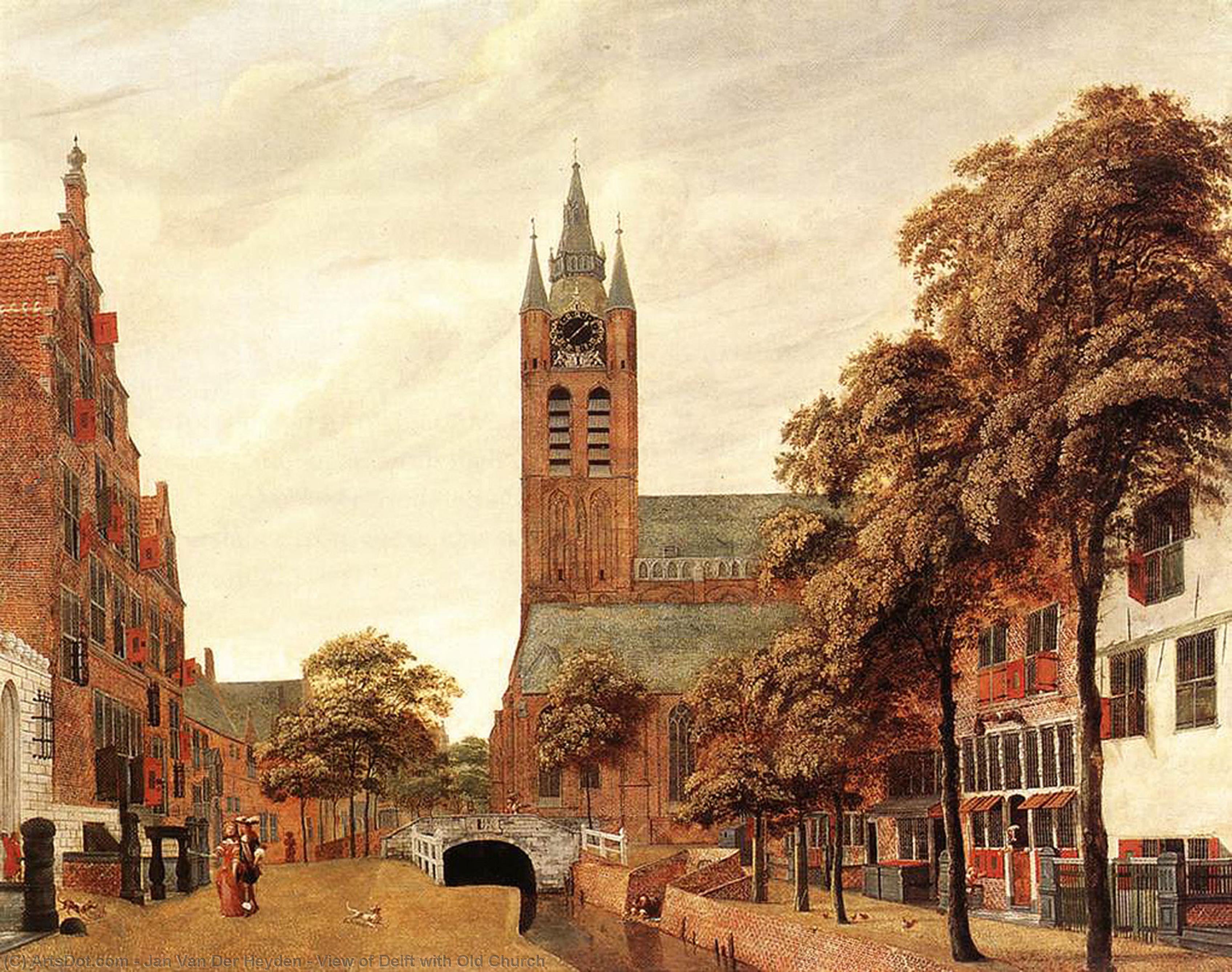
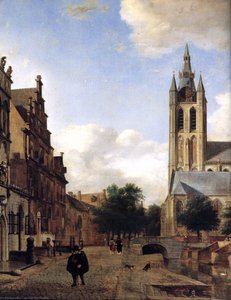
View of Delft with Old Church


 Read More
Purchase a high-resolution, enhanced digital image, far superior to the online preview.
Each file is meticulously prepared by our in-house specialists using advanced tools and expert manual retouching. We ensure every image has exceptional clarity, precise color accuracy, and fine detail.
The final file is delivered via email within 72 hours, optimized for immediate use in professional, editorial, and print environments. This is the same quality trusted by top-tier design studios, publishers, and galleries.
Digital Image
Download a high-resolution file for personal display, printing, and creative projects. ( Buy Print Buy Hand Made Painting)
Included in Every Digital Image Order
Expert Digital Delivery, Guaranteed
When you choose ArtsDot.com, you're not just getting an image - you're receiving a professionally enhanced digital artwork, crafted with precision and backed by a satisfaction guarantee. Here's everything that comes with your order, automatically:

Fast Email Delivery
Your high-resolution digital image file will be emailed to you within 72 hours of ordering - ready for immediate use.

AI-Enhanced Digital File
Your artwork is professionally optimized using advanced AI tools and manual editing, ensuring maximum detail, clarity, and color accuracy.

Free Lifetime Re-Delivery
Accidentally deleted or lost your file? No worries - we'll resend it to you anytime, free of charge.

No Import Fees - Ever
Enjoy your artwork instantly with zero customs, duties, or delivery fees - digital downloads are always tax-free.

Color Accuracy Guarantee
We ensure your digital image reflects the original colors as closely as possible using professional tools and color management.

60-Day Satisfaction Guarantee
If you're not satisfied with your digital image, we'll revise it or refund 100% within 60 days - no questions asked.

100% Money-Back Guarantee
Not satisfied? Get a full refund within 60 days of receiving your digital file - no questions asked.

Bulk Order Discounts
Buy 3 images, save 10% - Buy 5, save 15% - Buy 10+, save 20%. Great for creative projects, galleries, and agencies.
Collectible Description
Jan van der Heyden’s “View of Delft”: A Window Into Dutch Golden Age Tranquility
Jan van der Heyden’s “View of Delft,” completed in 1670, stands as a cornerstone of Dutch Baroque painting and an enduring emblem of serene urban beauty. More than just a picturesque depiction of the city’s canals and rooftops, it embodies the intellectual and artistic fervor that characterized the Dutch Golden Age—a period marked by unprecedented prosperity, scientific advancement, and artistic innovation.
The Artist & His Context: Born in Gorinchem in 1637, Jan van der Heyden wasn’t merely a painter; he was a visionary engineer who revolutionized firefighting techniques. Alongside his brother Nicolaes, he devised an improved fire hose design—a testament to the pragmatic spirit of the era alongside artistic pursuits. His family relocated to Amsterdam in 1646, placing him squarely within the epicenter of cultural dynamism.
Composition & Technique: Van der Heyden’s mastery lies in his meticulous attention to detail and masterful use of perspective—a technique honed through observation and experimentation. The painting employs a pyramidal composition, drawing the viewer's eye upwards towards the towering spire of St. Bavold’s Church, dominating the skyline. Light plays a crucial role, illuminating the canal waters and highlighting architectural features with remarkable realism. Van der Heyden utilized oil paint on canvas—a medium favored for its luminosity and ability to capture subtle tonal variations—resulting in an image that exudes palpable atmosphere.
Symbolism & Emotion: “View of Delft” transcends mere visual representation; it speaks to the values of the time. The church symbolizes faith and civic pride, reflecting the importance of religion within Dutch society. The bustling canal scene captures the vibrancy of Delft’s commercial life—a celebration of prosperity and human activity. Yet, beneath the surface lies a profound sense of tranquility. The artist deliberately subdued colors and balanced lines contribute to an overall feeling of calm contemplation.
Legacy & Significance: Today, “View of Delft” resides at the Detroit Institute of Arts, attracting admirers worldwide. Its influence extends far beyond its artistic merits—it serves as a benchmark for urban landscape painting and exemplifies the enduring appeal of Dutch Baroque aesthetics. Reproductions offer a captivating glimpse into this iconic artwork, allowing viewers to experience the beauty and serenity captured by Van der Heyden’s brush.
Further Exploration: For more information on Jan van der Heyden and his contributions to art and engineering, visit Wikipedia. You can also delve deeper into the Detroit Institute of Arts’ collection at DIA.
Related Artworks
Artist Biography
A Pioneer of Urban Landscapes: The Life and Art of Jan van der Heyden
Jan van der Heyden, born in the Dutch town of Gorinchem in 1637, emerged as a pivotal figure during the Dutch Golden Age. His story is one of remarkable versatility – not merely a painter celebrated for his meticulously rendered cityscapes, but also an innovative engineer whose contributions extended to firefighting technology and urban planning. The son of a Mennonite father, Van der Heyden’s family relocated to Amsterdam in 1646, a move that would profoundly shape his artistic trajectory. Early training likely occurred within the familial sphere, potentially guided by his brother Goris, a craftsman specializing in mirrors. This early exposure to precision and reflective surfaces may have subtly influenced the clarity and detail that would come to define Van der Heyden’s paintings. Some scholars suggest an apprenticeship with Jacob van der Ulft, a respected glass painter from Gorinchem, further honing his skills in draftsmanship and color application – skills initially employed in creating *verre eglomisé*, decorative paintings on glass.From Decorative Arts to Architectural Precision
Van der Heyden’s artistic path gradually shifted towards a specialization that would secure his place in art history: the depiction of townscapes. He was among the first Dutch artists to dedicate himself almost entirely to this genre, becoming a leading architectural painter of his time. While many of his contemporaries focused on portraits or historical scenes, Van der Heyden turned his gaze to the bustling streets and stately canals of Amsterdam and beyond. His canvases offer meticulously detailed views not only of his adopted city but also of other Dutch, Flemish, and German urban centers. Works like *View of Oudezijds Voorburgwal with the Oude Kerk in Amsterdam* exemplify this dedication to realism, capturing the play of light on brickwork, the textures of cobblestone streets, and the lively atmosphere of 17th-century life. He didn’t limit himself to existing locales; Van der Heyden also created “architectural fantasies,” imaginative compositions blending elements from different structures, anticipating artistic trends that would emerge in later centuries. These works demonstrate a playful creativity alongside his technical mastery. Beyond city views, he occasionally ventured into still life painting, as seen in *Still-Life with Globe, Books and Chinese Silk*, showcasing his versatility and attention to detail across various subjects.An Engineer’s Vision: Innovation Beyond the Canvas
Van der Heyden's ingenuity extended far beyond the realm of art. He was a practical inventor and engineer who actively sought solutions to real-world problems, most notably in the area of firefighting. In 1672, collaborating with his brother Nicolaes – a hydraulic engineer – he devised improvements to the fire hose, addressing a critical need in densely populated urban areas. This wasn’t merely a minor adjustment; it was a significant advancement in firefighting technology. He didn't stop there. Van der Heyden reorganized Amsterdam’s volunteer fire brigade in 1685, implementing more efficient strategies and protocols. His dedication culminated in the publication of *Brandspuiten-boek*, widely considered the first comprehensive firefighting manual, complete with his own detailed illustrations. This work wasn’t just a technical guide; it was a testament to his commitment to public safety. Furthermore, he designed and implemented an innovative street lighting scheme for Amsterdam, which illuminated the city's streets for over a century, dramatically improving nighttime visibility and security.Legacy and Lasting Influence
Jan van der Heyden died in 1712 as a wealthy man, leaving behind a substantial estate that included over seventy of his own paintings – a testament to both his productivity and the value placed on his work during his lifetime. His only known pupil was his son, Jan, who continued some aspects of his father’s artistic legacy. Van der Heyden's influence resonated through subsequent generations of artists, particularly those specializing in architectural painting. He provided valuable insights into 17th-century urban life and architecture, offering a visual record of cities as they existed during that period. His detailed depictions serve as invaluable historical documents for modern scholars. His innovative approach to townscapes, combined with his practical engineering contributions, cemented his position as a unique and multifaceted figure in Dutch history. He wasn’t simply an artist capturing the world around him; he was actively shaping it, improving the lives of those who inhabited it. Van der Heyden's legacy endures not only through his captivating paintings but also through the enduring impact of his inventions on urban safety and infrastructure.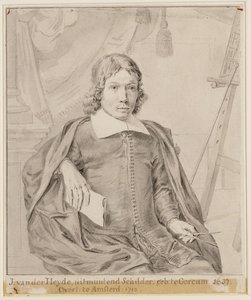
Jan van der Heyden
1637 - 1712 , Netherlands
Quick Facts
- Artistic Movement Or Style: Dutch Golden Age, Baroque
- Artists Or Movements Influenced By This Artist: ['18th-century Venetian painters']
- Artists Who Influenced This Artist: ['Jacob van der Ulft']
- Date Of Birth: 1637
- Date Of Death: 1712
- Full Name: Jan van der Heyden
- Nationality: Dutch
- Notable Artworks:
- Oudezijds Voorburgwal view
- Still-Life with Globe
- Architectural Fantasy
- View of Delft
- Westerkerk, Amsterdam
- Huis ten Bosch at The Hague
- Place Of Birth: Gorinchem, Netherlands

