

 Preview
 Send
Send Share
Share
 Details

 Download
 Similars
 X-Ray
X-Ray Diaporama
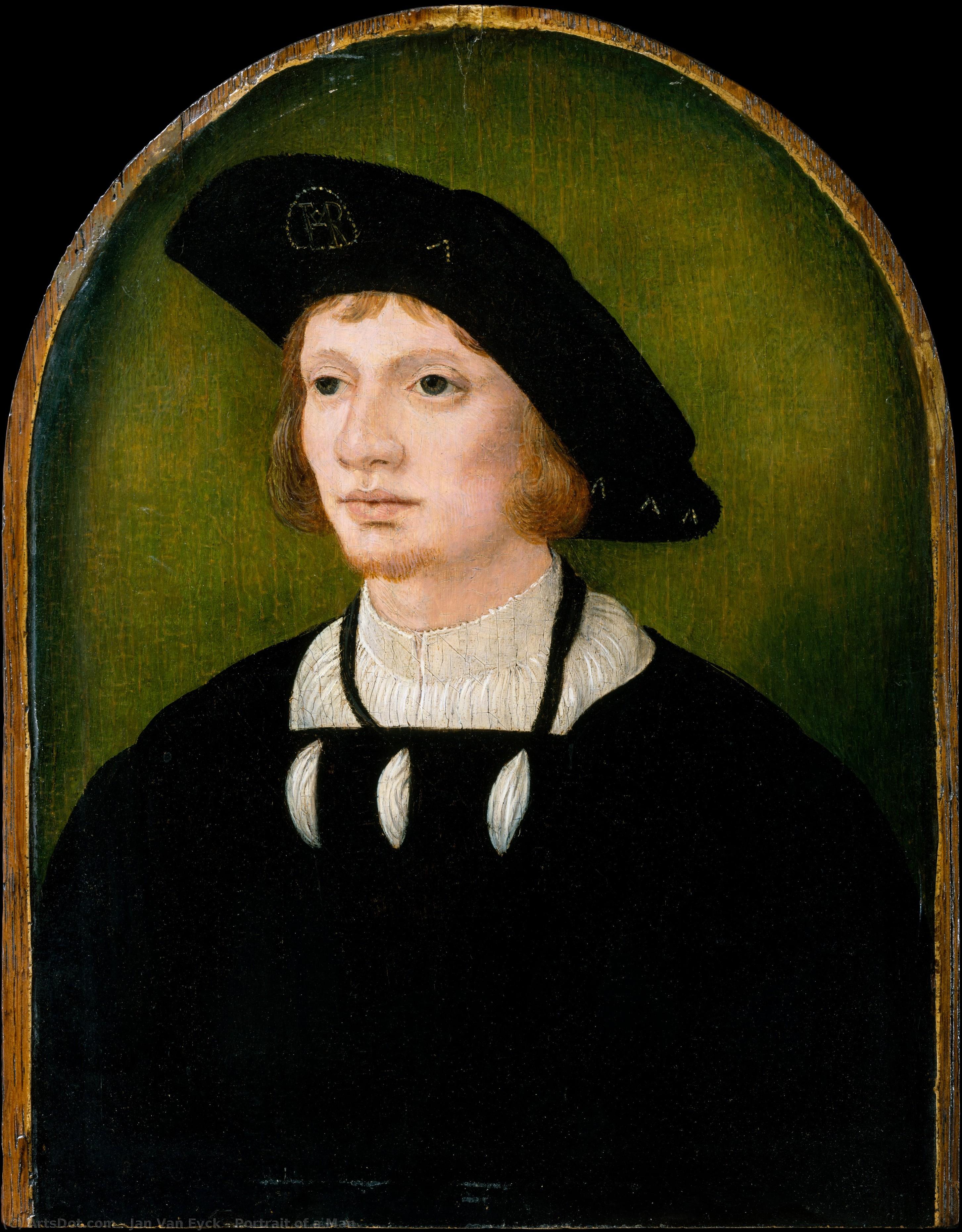
Portrait of a Man


 Read More
Purchase a high-resolution, enhanced digital image, far superior to the online preview.
Each file is meticulously prepared by our in-house specialists using advanced tools and expert manual retouching. We ensure every image has exceptional clarity, precise color accuracy, and fine detail.
The final file is delivered via email within 72 hours, optimized for immediate use in professional, editorial, and print environments. This is the same quality trusted by top-tier design studios, publishers, and galleries.
Digital Image
Download a high-resolution file for personal display, printing, and creative projects. ( Buy Print Buy Hand Made Painting)
Included in Every Digital Image Order
Expert Digital Delivery, Guaranteed
When you choose ArtsDot.com, you're not just getting an image - you're receiving a professionally enhanced digital artwork, crafted with precision and backed by a satisfaction guarantee. Here's everything that comes with your order, automatically:

Fast Email Delivery
Your high-resolution digital image file will be emailed to you within 72 hours of ordering - ready for immediate use.

AI-Enhanced Digital File
Your artwork is professionally optimized using advanced AI tools and manual editing, ensuring maximum detail, clarity, and color accuracy.

Free Lifetime Re-Delivery
Accidentally deleted or lost your file? No worries - we'll resend it to you anytime, free of charge.

No Import Fees - Ever
Enjoy your artwork instantly with zero customs, duties, or delivery fees - digital downloads are always tax-free.

Color Accuracy Guarantee
We ensure your digital image reflects the original colors as closely as possible using professional tools and color management.

60-Day Satisfaction Guarantee
If you're not satisfied with your digital image, we'll revise it or refund 100% within 60 days - no questions asked.

100% Money-Back Guarantee
Not satisfied? Get a full refund within 60 days of receiving your digital file - no questions asked.

Bulk Order Discounts
Buy 3 images, save 10% - Buy 5, save 15% - Buy 10+, save 20%. Great for creative projects, galleries, and agencies.
Collectible Description
A Window into Renaissance Identity: Jan van Eyck’s Portrait of a Man
Jan van Eyck's "Portrait of a Man," often referred to as “Self Portrait?” due to ongoing scholarly debate regarding its attribution, stands as an unparalleled testament to the burgeoning artistic spirit of Early Netherlandish painting—a movement that irrevocably transformed European visual culture. Painted circa 1430-1432 in Haarlem, Netherlands, this deceptively simple depiction transcends mere likeness; it embodies a profound exploration of humanist ideals and meticulously crafted symbolism that continues to fascinate art historians today. The artwork’s enduring appeal lies not only in its technical brilliance but also in its ability to convey an arresting glimpse into the psychological landscape of fifteenth-century Europe.- Subject Matter & Composition: At first glance, the portrait presents a strikingly realistic portrayal of a man—likely Jan van Eyck himself—dressed in formal attire characteristic of his era. He wears a dark velvet robe adorned with intricate embroidery and is positioned centrally against a muted green background, creating a harmonious balance that draws the eye directly to his gaze. Two additional figures flank him on either side, adding depth and complexity to the scene. These companions are dressed similarly, reinforcing the notion of an aristocratic gathering—perhaps a celebration or diplomatic meeting—a common occurrence in the courts of Northern Europe.
- Technique & Style: Van Eyck’s mastery is immediately evident in his groundbreaking application of oil paint – a technique that revolutionized painting by offering unprecedented luminosity and detail compared to tempera, which had dominated artistic practice for centuries. The meticulous layering of thin glazes—a hallmark of Flemish Primitives—allows for subtle gradations of color and texture, capturing the nuances of skin tone and fabric folds with astonishing accuracy. This painstaking process demanded considerable patience and skill, cementing Van Eyck’s reputation as one of the foremost artists of his time.
Symbolism & Renaissance Humanism
Beyond its technical prowess, “Portrait of a Man” is laden with symbolic significance reflecting the humanist concerns prevalent during the Renaissance. The man's gaze—direct and unwavering—represents intellectual contemplation and self-awareness – qualities highly valued by thinkers like Petrarch and Erasmus. The inclusion of the white feather atop his hat serves as an emblem of purity and nobility, referencing biblical references to angelic messengers and symbolizing spiritual virtue. Furthermore, the robe’s rich embroidery speaks to wealth and status, highlighting the importance of social hierarchy within Renaissance society. These elements coalesce into a powerful statement about human dignity and aspiration—themes that resonate powerfully across centuries.Historical Context & Artistic Legacy
Painted during a period of significant cultural transformation, “Portrait of a Man” exemplifies the burgeoning interest in naturalism and psychological realism that characterized Early Netherlandish painting. Artists like Van Eyck were driven by a desire to depict human beings with unprecedented fidelity, capturing not only their physical appearance but also their inner thoughts and emotions—a radical departure from medieval artistic conventions. This artwork stands as a cornerstone of Renaissance art history, influencing generations of painters who sought to emulate its luminous palette and meticulous detail. Its influence can be seen in portraits by artists such as Rogier van der Weyden and Hans Memling, demonstrating the enduring legacy of Van Eyck’s innovative approach.Emotional Impact & Artistic Inspiration
“Portrait of a Man” continues to inspire awe and admiration for its ability to convey profound emotional depth. The artist's contemplative gaze invites viewers to engage in introspection—to consider questions of identity, virtue, and purpose. More than just a depiction of an individual, it represents a celebration of human intellect and moral fortitude – ideals that remain relevant today. Reproductions of this masterpiece offer collectors and interior designers alike the opportunity to experience firsthand the beauty and sophistication of Early Netherlandish art, transporting them back to a pivotal moment in European cultural history.Related Artworks
Artist Biography
A Life Illuminated: The World of Jan van Eyck
Jan van Eyck, a name synonymous with the dawn of Early Netherlandish painting and the revolutionary use of oil paint, remains an enigmatic figure despite his monumental impact on art history. Born around 1390 in Maastricht, nestled within what is now the Netherlands, Van Eyck emerged from a family steeped in artistic tradition—his elder brother Hubert also practiced the painter’s craft, though details surrounding his work remain elusive. While precise biographical details are scarce, particularly concerning his formative years, it's clear that Jan possessed an innate talent and quickly ascended to prominence within the artistic circles of his time. By 1422, he had already established a workshop in The Hague, employing assistants and undertaking commissions that signaled his mastery of the craft. This early success wasn’t solely based on artistic skill; Van Eyck was a man of intelligence and trustworthiness, qualities that would soon draw him into the service of powerful patrons.Service to Burgundy: Diplomacy and Artistic Flourishing
A pivotal moment in Van Eyck's career arrived with his appointment to the Burgundian court, first under John III the Pitiless and later Philip the Good. This wasn’t merely a patronage arrangement; Van Eyck was entrusted with diplomatic missions, demonstrating the Duke’s confidence in his discretion and intellect. These journeys across Europe—including ventures to Portugal and Spain—exposed him to diverse cultures and artistic influences, subtly shaping his evolving style. The court provided not only financial security but also access to resources that allowed Van Eyck to pursue ambitious projects, pushing the boundaries of what was artistically achievable. He wasn’t simply a painter *for* the Burgundian elite; he became an integral part of their world, reflecting and enhancing their prestige through his art. This unique position afforded him a level of artistic freedom rarely enjoyed by painters of the era, allowing for experimentation and innovation that would forever alter the course of painting.The Alchemy of Oil: A Revolution in Technique
While not the inventor of oil paint—its use predates Van Eyck—he is undeniably its master perfecter. Prior to his innovations, tempera was the dominant medium, offering limited blending capabilities and a relatively matte finish. Van Eyck unlocked the full potential of oil paint through meticulous layering of translucent glazes, achieving an unprecedented level of detail, luminosity, and realism. This technique allowed for subtle gradations in tone, richer colors, and the creation of textures that mimicked life itself. The effect was transformative; surfaces appeared to glow from within, fabrics possessed a tactile quality, and portraits captured not just likeness but also psychological depth. His mastery wasn’t simply technical—it was an alchemical process, transforming pigments into something akin to living reality. This innovation didn't go unnoticed; it became the foundation for generations of painters who followed, fundamentally changing the landscape of Western art.Masterpieces and Enduring Legacy
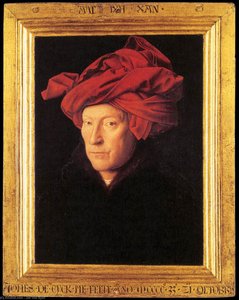
Van Eyck’s artistic legacy is cemented by a relatively small but profoundly influential body of work. The Ghent Altarpiece (1432), a monumental polyptych, stands as his most ambitious undertaking—a complex tapestry of religious symbolism and technical brilliance. Equally renowned is the Portrait of Giovanni Arnolfini and His Wife (1434), a groundbreaking work in portraiture celebrated for its realism, intricate detail, and enigmatic symbolism. Other notable works include the Dresden Triptych, showcasing his skill in depicting religious scenes with remarkable clarity, and the striking Man in a Blue Turban, a testament to his ability to capture individual character. These paintings aren’t merely visual representations; they are windows into another world—a world meticulously rendered with an almost obsessive attention to detail. Van Eyck's influence extends far beyond these iconic works, shaping the development of Early Netherlandish painting and inspiring countless artists for centuries to come. He died in Bruges in 1441, leaving behind a legacy that continues to resonate today, reminding us of the power of art to illuminate the human experience.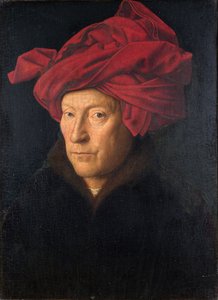
Jan van Eyck
1390 - 1441 , Netherlands
Quick Facts
- Artistic Movement Or Style: Early Netherlandish painting
- Artists Or Movements Influenced By This Artist: ['Early Netherlandish painters']
- Date Of Birth: c. 1390
- Date Of Death: 1441
- Full Name: Jan van Eyck
- Nationality: Flemish
- Notable Artworks:
- Ghent Altarpiece
- Arnolfini Portrait
- Dresden Triptych
- Man in Blue Turban
- Place Of Birth: Maastricht, Netherlands

