 Preview
 Send
Send Share
Share
 Details

 Download
 Similars
 X-Ray
X-Ray Diaporama
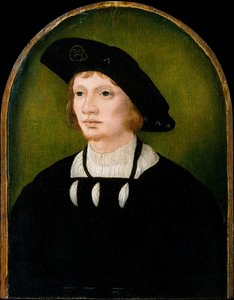
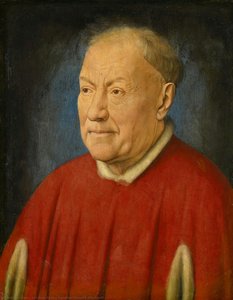
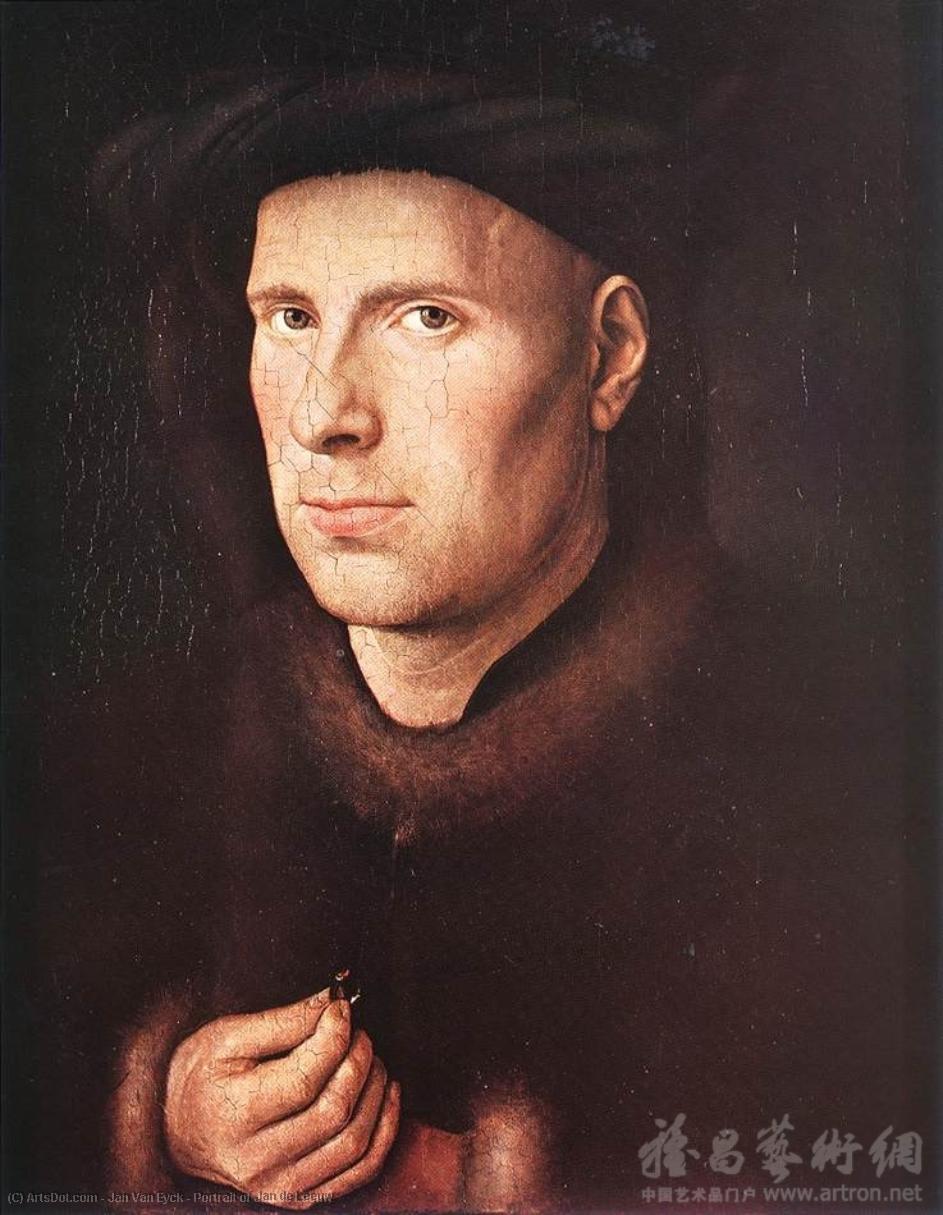
Portrait of Jan de Leeuw
 Oil On Panel
- WallArt
- Early Netherlandish Painting
 1436
1436- Renaissance
 24.0 x 19.0 cm
 Kunsthistorisches Museum
 Read More
Hand Made Oil Reproduction
Hand-painted oil on canvas in your size and frame, made to order by our artists. ( Buy Print Buy Image)




P118B $10

P118H $10

P118W $10

P438Z $10

P508JH $12

P508YH $12

P805H $10

P805Z $10

P919BZ $10

P919G $10

P919XJ $10

P959ZH $10

P968JZ $12

W106C $8

W218G $10

W218JH $8

W218Y $10

W307PJ $10

W316G $10

W316PJ $8

W316Y $10

W398PJ $8

W4111J $10

W500HY $15

W500JH $15

W692G $12

W849H $8

W940BG $15

W953PJ $8




Pick from our preset sizes that match the artwork's original proportions.

You may enter your own dimensions to fit a specific frame or space. If your selected size does not match the original image's proportions, we will either crop the artwork or extend the painting with additional hand-painted elements. A digital mockup will be sent for your approval before production begins.
Please note that the on-screen preview does not reflect the actual cropping or extension. Only the mockup will accurately show the final composition.
While custom sizes are available, we recommend selecting a dimension from the predefined list to preserve the original proportions.
After order, ArtsDot.com team will email client for instructions and provide a mockup preview
Worldwide Delivery () in 3/4 weeks instead of standard 5 weeks. (16 August). No compromise on quality.

Free Worldwide Express Shipping

High-Quality Linen Canvas

Full Shipping Insurance

Customs Tax Refund Guarantee

True Color Matching Guarantee

60-Day Return Policy (Defects Only)

100% Money-Back Guarantee

Bulk Discount Offer
 Glass option is only available in size under 110 CM

Portrait of Jan de Leeuw
Reproduction Medium
Reproduction Size
-


Total Price
$ 263
Artwork Description
A Glimpse Through the Golden Age of Flanders
In the quiet, hallowed halls of the Kunsthistorisches Museum in Vienna, there exists a small window into a vanished world, a masterpiece that breathes with the vitality of 1436. Jan van Eyck’s Portrait of Jan de Leeuw is far more than a mere likeness; it is a profound encounter with the dawn of the Northern Renaissance. At only twenty-four by nineteen centimeters, this intimate oil on wood panel commands an immense presence, pulling the viewer into the meticulous, luminous atmosphere of Bruges during its most prosperous era. The subject, Jan de Leeuw—a goldsmith by trade—is captured not just as a man, but as a symbol of the rising merchant class whose wealth and piety fueled the artistic revolution of the Early Netherlandish period.
The Alchemy of Light and Oil
To gaze upon this portrait is to witness the transformative power of Jan van Eyck’s revolutionary technique. While his contemporaries were often bound by the flatter, more opaque qualities of tempera, Van Eyck mastered the delicate alchemy of oil paint. Through the painstaking application of multiple translucent glazes, he achieved a depth of color and a play of light that seemed almost supernatural. Notice how the light catches the subtle textures of the sitter’s features, creating a soft, lifelike glow that animates the skin and defines the heavy folds of his attire. This mastery of "wet-on-wet" painting allowed for an unprecedented level of detail, from the glint of metallic elements to the profound shadows that lend the face its sculptural weight. For the collector or lover of fine art, this technical brilliance offers a sensory experience that remains as captivating today as it was in the fifteenth century.
A Legacy of Precision and Presence
Beyond the technical prowess lies an emotional resonance that transcends time. There is a striking psychological depth in de Leeuw’s gaze; he looks toward us with a directness that bridges the centuries, inviting a silent dialogue between the past and the present. The precision of Van Eyck’s brushwork serves to honor the dignity of his subject, reflecting the meticulous nature of de Leeuw's own profession as a goldsmith. For those looking to bring a piece of history into a contemporary space, a reproduction of this work offers more than just decoration; it provides an anchor of sophistication and intellectual depth. Whether placed in a curated gallery or a refined study, the Portrait of Jan de Leeuw serves as a testament to human identity, the enduring beauty of craftsmanship, and the eternal magic of the Flemish masters.
Related Artworks
Artist Biography
A Life Illuminated: The World of Jan van Eyck
Jan van Eyck, a name synonymous with the dawn of Early Netherlandish painting and the revolutionary use of oil paint, remains an enigmatic figure despite his monumental impact on art history. Born around 1390 in Maastricht, nestled within what is now the Netherlands, Van Eyck emerged from a family steeped in artistic tradition—his elder brother Hubert also practiced the painter’s craft, though details surrounding his work remain elusive. While precise biographical details are scarce, particularly concerning his formative years, it's clear that Jan possessed an innate talent and quickly ascended to prominence within the artistic circles of his time. By 1422, he had already established a workshop in The Hague, employing assistants and undertaking commissions that signaled his mastery of the craft. This early success wasn’t solely based on artistic skill; Van Eyck was a man of intelligence and trustworthiness, qualities that would soon draw him into the service of powerful patrons.Service to Burgundy: Diplomacy and Artistic Flourishing
A pivotal moment in Van Eyck's career arrived with his appointment to the Burgundian court, first under John III the Pitiless and later Philip the Good. This wasn’t merely a patronage arrangement; Van Eyck was entrusted with diplomatic missions, demonstrating the Duke’s confidence in his discretion and intellect. These journeys across Europe—including ventures to Portugal and Spain—exposed him to diverse cultures and artistic influences, subtly shaping his evolving style. The court provided not only financial security but also access to resources that allowed Van Eyck to pursue ambitious projects, pushing the boundaries of what was artistically achievable. He wasn’t simply a painter *for* the Burgundian elite; he became an integral part of their world, reflecting and enhancing their prestige through his art. This unique position afforded him a level of artistic freedom rarely enjoyed by painters of the era, allowing for experimentation and innovation that would forever alter the course of painting.The Alchemy of Oil: A Revolution in Technique
While not the inventor of oil paint—its use predates Van Eyck—he is undeniably its master perfecter. Prior to his innovations, tempera was the dominant medium, offering limited blending capabilities and a relatively matte finish. Van Eyck unlocked the full potential of oil paint through meticulous layering of translucent glazes, achieving an unprecedented level of detail, luminosity, and realism. This technique allowed for subtle gradations in tone, richer colors, and the creation of textures that mimicked life itself. The effect was transformative; surfaces appeared to glow from within, fabrics possessed a tactile quality, and portraits captured not just likeness but also psychological depth. His mastery wasn’t simply technical—it was an alchemical process, transforming pigments into something akin to living reality. This innovation didn't go unnoticed; it became the foundation for generations of painters who followed, fundamentally changing the landscape of Western art.Masterpieces and Enduring Legacy
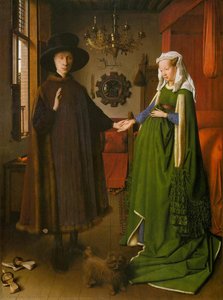
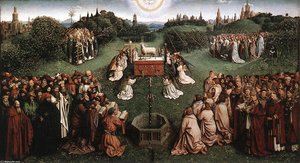
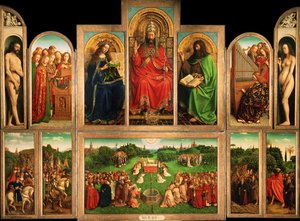
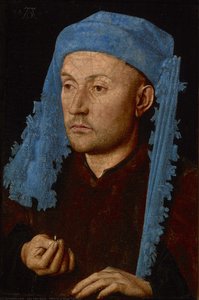
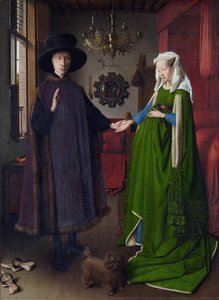
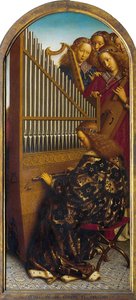
Van Eyck’s artistic legacy is cemented by a relatively small but profoundly influential body of work. The Ghent Altarpiece (1432), a monumental polyptych, stands as his most ambitious undertaking—a complex tapestry of religious symbolism and technical brilliance. Equally renowned is the Portrait of Giovanni Arnolfini and His Wife (1434), a groundbreaking work in portraiture celebrated for its realism, intricate detail, and enigmatic symbolism. Other notable works include the Dresden Triptych, showcasing his skill in depicting religious scenes with remarkable clarity, and the striking Man in a Blue Turban, a testament to his ability to capture individual character. These paintings aren’t merely visual representations; they are windows into another world—a world meticulously rendered with an almost obsessive attention to detail. Van Eyck's influence extends far beyond these iconic works, shaping the development of Early Netherlandish painting and inspiring countless artists for centuries to come. He died in Bruges in 1441, leaving behind a legacy that continues to resonate today, reminding us of the power of art to illuminate the human experience.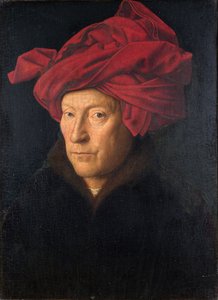
Jan van Eyck
1390 - 1441 , Netherlands
Quick Facts
- Artistic Movement Or Style: Early Netherlandish painting
- Artists Or Movements Influenced By This Artist: ['Early Netherlandish painters']
- Date Of Birth: c. 1390
- Date Of Death: 1441
- Full Name: Jan van Eyck
- Nationality: Flemish
- Notable Artworks:
- Ghent Altarpiece
- Arnolfini Portrait
- Dresden Triptych
- Man in Blue Turban
- Place Of Birth: Maastricht, Netherlands
Related Articles
Van Gogh's Masterpieces: Explore 25 Iconic Paintings & Art for Your Home
Journey through Vincent van Gogh's 25 most iconic paintings! Explore 'Starry Night', 'Sunflowers,' and more—discover the stories, techniques & emotions behind these Post-Impressionist masterpieces. Find museum-quality art reproductions for your home at ArtsDot.com.
Early Netherlandish Masters: 10 Paintings That Revolutionized Art & Decor
Journey into the world of Early Netherlandish painting! Explore 10 masterpieces by Jan van Eyck, Rogier van der Weyden & more. Discover stunning detail, symbolism & Renaissance art for your home decor. Find museum-quality reproductions on ArtsDot.com

Demandes Commerciales
APS ofrece reproducciones de bellas artes y encargos personalizados desde 2004. Confían en nosotros corporaciones, hoteles y coleccionistas selectos para obras de arte de calidad museística, servicio discreto y soluciones artísticas completas. ¡Póngase en contacto con nosotros para obtener un presupuesto personalizado!
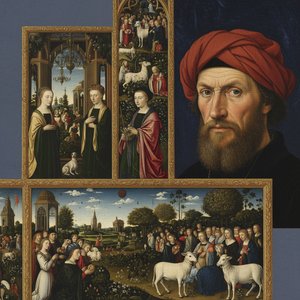
Jan van Eyck: Innovation, Symbolism & the Dawn of Early Netherlandish Painting
Explore the revolutionary art of Jan van Eyck! Discover his groundbreaking oil painting techniques, hidden symbolism, and lasting impact on the Early Netherlandish Renaissance. A deep dive for art enthusiasts.

Goya's Masterpieces: Explore 25 Iconic Paintings & Art Prints | ArtsDot
Delve into the world of Francisco Goya with ArtsDot. Explore 25 iconic paintings – from 'The Third of May' to his haunting Black Paintings. Discover the stories, techniques & emotions behind these Spanish masterpieces. Find museum-quality art reproductions for your home at ArtsDot.com!