

 Preview
 Send
Send Share
Share
 Details

 Download
 Similars
 X-Ray
X-Ray Diaporama
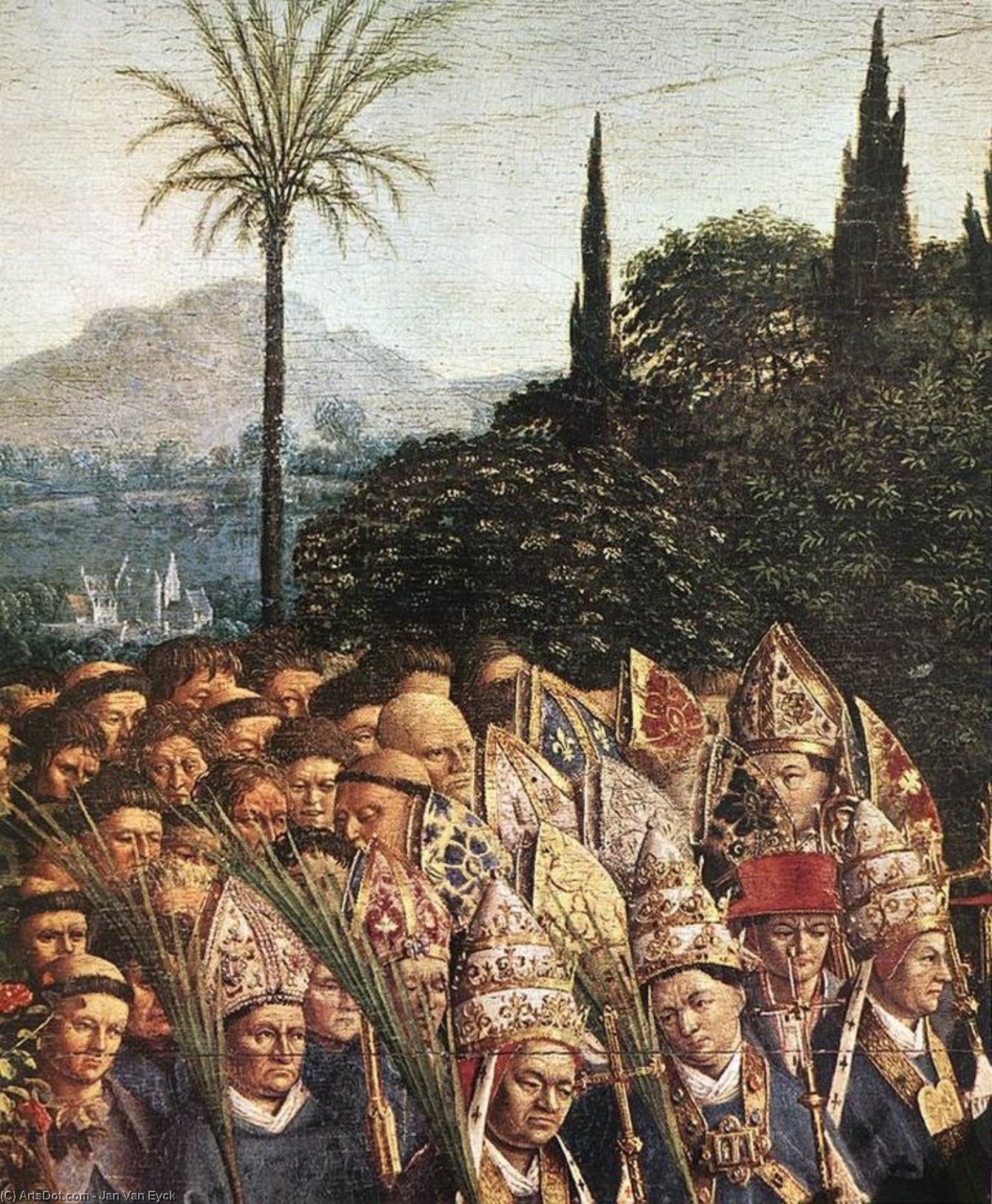
The Ghent Altarpiece Adoration of the Lamb (detail top left - )

 Read More
Purchase a high-resolution, enhanced digital image, far superior to the online preview.
Each file is meticulously prepared by our in-house specialists using advanced tools and expert manual retouching. We ensure every image has exceptional clarity, precise color accuracy, and fine detail.
The final file is delivered via email within 72 hours, optimized for immediate use in professional, editorial, and print environments. This is the same quality trusted by top-tier design studios, publishers, and galleries.
Digital Image
Download a high-resolution file for personal display, printing, and creative projects. ( Buy Print Buy Hand Made Painting)
Included in Every Digital Image Order
Expert Digital Delivery, Guaranteed
When you choose ArtsDot.com, you're not just getting an image - you're receiving a professionally enhanced digital artwork, crafted with precision and backed by a satisfaction guarantee. Here's everything that comes with your order, automatically:

Fast Email Delivery
Your high-resolution digital image file will be emailed to you within 72 hours of ordering - ready for immediate use.

AI-Enhanced Digital File
Your artwork is professionally optimized using advanced AI tools and manual editing, ensuring maximum detail, clarity, and color accuracy.

Free Lifetime Re-Delivery
Accidentally deleted or lost your file? No worries - we'll resend it to you anytime, free of charge.

No Import Fees - Ever
Enjoy your artwork instantly with zero customs, duties, or delivery fees - digital downloads are always tax-free.

Color Accuracy Guarantee
We ensure your digital image reflects the original colors as closely as possible using professional tools and color management.

60-Day Satisfaction Guarantee
If you're not satisfied with your digital image, we'll revise it or refund 100% within 60 days - no questions asked.

100% Money-Back Guarantee
Not satisfied? Get a full refund within 60 days of receiving your digital file - no questions asked.

Bulk Order Discounts
Buy 3 images, save 10% - Buy 5, save 15% - Buy 10+, save 20%. Great for creative projects, galleries, and agencies.
A Vision of Divine Grace: Jan van Eyck’s ‘Adoration of the Lamb’
Jan van Eyck's “Adoration of the Lamb,” a breathtaking detail from his monumental Ghent Altarpiece, isn’t merely a religious scene; it’s an immersion into a meticulously crafted world brimming with symbolism and technical brilliance. Completed around 1432, this panel captures a pivotal moment within the altarpiece’s narrative – the adoration of the Lamb, representing Christ sacrificed for humanity. The sheer density of figures, their richly textured clothing, and the luminous quality of the light immediately draw the viewer in, inviting contemplation on themes of faith, redemption, and divine grace. Van Eyck's revolutionary use of oil paint—a technique he largely pioneered—allows for an unprecedented level of detail and realism, capturing not just form but also subtle nuances of texture and color that were previously unattainable.

A Symphony of Detail: Technique and Innovation
What distinguishes this panel, and indeed much of Van Eyck’s work, is his mastery of oil paint. Unlike tempera, which dries quickly and limits blending, oil allowed for slow layering, subtle gradations of color, and an astonishing level of detail. Observe the intricate folds in the garments, the glint of metal on the armor, or the delicate texture of the lambs’ wool – each element is rendered with painstaking precision. Van Eyck's use of *sfumato*, a technique employing hazy, soft edges to create depth and atmosphere, further enhances the realism and luminosity of the scene. The meticulous rendering of light and shadow, achieved through careful observation and an understanding of optics, imbues the panel with a palpable sense of three-dimensionality. It’s a testament to Van Eyck's scientific approach to art – he studied how light behaved on surfaces, meticulously documenting his observations in detailed sketches.
- Oil Paint Innovation: Van Eyck is widely credited with perfecting the use of oil paint for panel painting.
- Sfumato Technique: The subtle blending and hazy edges create a remarkable sense of depth and realism.
- Detailed Rendering: Every element, from clothing to animal fur, is rendered with incredible precision.
Symbolism and Narrative – A Tapestry of Meaning
Beyond its technical brilliance, the “Adoration of the Lamb” is rich in symbolic meaning. The central figure of the Lamb, a direct reference to the Book of Revelation, represents Christ’s sacrifice on the cross. The surrounding figures—angels, saints, and even earthly onlookers—are arranged within a carefully constructed hierarchy, reflecting the spiritual order of heaven. Note the presence of Adam and Eve in the lower register, symbolizing humanity's fallen state and the need for redemption. The dove, representing the Holy Spirit, descends upon the Lamb, signifying divine grace and the promise of salvation. The entire scene is framed within a classical Deësis composition—God the Father flanked by Mary and John the Baptist—underscoring the central theme of divine love and mercy.
A Legacy of Light: Reproduction and Artistic Inspiration
ArtsDot offers meticulously crafted hand-painted reproductions of Jan van Eyck’s “Adoration of the Lamb,” capturing the essence of this iconic masterpiece. Each reproduction is created by skilled artists who painstakingly recreate Van Eyck's techniques, ensuring that you receive a faithful representation of this extraordinary work of art. Whether adorning your home or office, this reproduction will serve as a constant reminder of the beauty, symbolism, and technical brilliance of one of the Renaissance’s greatest painters. Consider it not just a decoration, but an investment in a piece of artistic history—a window into the world of Jan van Eyck and his revolutionary vision.
Related Artworks

Artist Biography
A Life Illuminated: The World of Jan van Eyck
Jan van Eyck, a name synonymous with the dawn of Early Netherlandish painting and the revolutionary use of oil paint, remains an enigmatic figure despite his monumental impact on art history. Born around 1390 in Maastricht, nestled within what is now the Netherlands, Van Eyck emerged from a family steeped in artistic tradition—his elder brother Hubert also practiced the painter’s craft, though details surrounding his work remain elusive. While precise biographical details are scarce, particularly concerning his formative years, it's clear that Jan possessed an innate talent and quickly ascended to prominence within the artistic circles of his time. By 1422, he had already established a workshop in The Hague, employing assistants and undertaking commissions that signaled his mastery of the craft. This early success wasn’t solely based on artistic skill; Van Eyck was a man of intelligence and trustworthiness, qualities that would soon draw him into the service of powerful patrons.Service to Burgundy: Diplomacy and Artistic Flourishing
A pivotal moment in Van Eyck's career arrived with his appointment to the Burgundian court, first under John III the Pitiless and later Philip the Good. This wasn’t merely a patronage arrangement; Van Eyck was entrusted with diplomatic missions, demonstrating the Duke’s confidence in his discretion and intellect. These journeys across Europe—including ventures to Portugal and Spain—exposed him to diverse cultures and artistic influences, subtly shaping his evolving style. The court provided not only financial security but also access to resources that allowed Van Eyck to pursue ambitious projects, pushing the boundaries of what was artistically achievable. He wasn’t simply a painter *for* the Burgundian elite; he became an integral part of their world, reflecting and enhancing their prestige through his art. This unique position afforded him a level of artistic freedom rarely enjoyed by painters of the era, allowing for experimentation and innovation that would forever alter the course of painting.The Alchemy of Oil: A Revolution in Technique
While not the inventor of oil paint—its use predates Van Eyck—he is undeniably its master perfecter. Prior to his innovations, tempera was the dominant medium, offering limited blending capabilities and a relatively matte finish. Van Eyck unlocked the full potential of oil paint through meticulous layering of translucent glazes, achieving an unprecedented level of detail, luminosity, and realism. This technique allowed for subtle gradations in tone, richer colors, and the creation of textures that mimicked life itself. The effect was transformative; surfaces appeared to glow from within, fabrics possessed a tactile quality, and portraits captured not just likeness but also psychological depth. His mastery wasn’t simply technical—it was an alchemical process, transforming pigments into something akin to living reality. This innovation didn't go unnoticed; it became the foundation for generations of painters who followed, fundamentally changing the landscape of Western art.Masterpieces and Enduring Legacy
Van Eyck’s artistic legacy is cemented by a relatively small but profoundly influential body of work. The Ghent Altarpiece (1432), a monumental polyptych, stands as his most ambitious undertaking—a complex tapestry of religious symbolism and technical brilliance. Equally renowned is the Portrait of Giovanni Arnolfini and His Wife (1434), a groundbreaking work in portraiture celebrated for its realism, intricate detail, and enigmatic symbolism. Other notable works include the Dresden Triptych, showcasing his skill in depicting religious scenes with remarkable clarity, and the striking Man in a Blue Turban, a testament to his ability to capture individual character. These paintings aren’t merely visual representations; they are windows into another world—a world meticulously rendered with an almost obsessive attention to detail. Van Eyck's influence extends far beyond these iconic works, shaping the development of Early Netherlandish painting and inspiring countless artists for centuries to come. He died in Bruges in 1441, leaving behind a legacy that continues to resonate today, reminding us of the power of art to illuminate the human experience.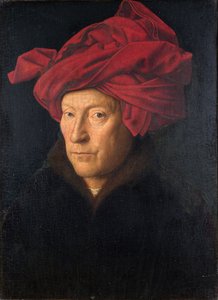
Jan van Eyck
1390 - 1441 , Netherlands
Quick Facts
- Artistic Movement Or Style: Early Netherlandish painting
- Artists Or Movements Influenced By This Artist: ['Early Netherlandish painters']
- Date Of Birth: c. 1390
- Date Of Death: 1441
- Full Name: Jan van Eyck
- Nationality: Flemish
- Notable Artworks:
- Ghent Altarpiece
- Arnolfini Portrait
- Dresden Triptych
- Man in Blue Turban
- Place Of Birth: Maastricht, Netherlands

