 Preview
 Send
Send Share
Share
 Details

 Download
 Similars
 X-Ray
X-Ray Diaporama
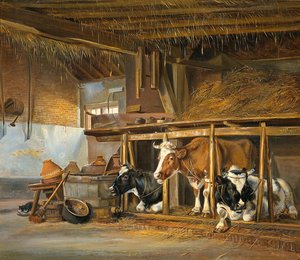
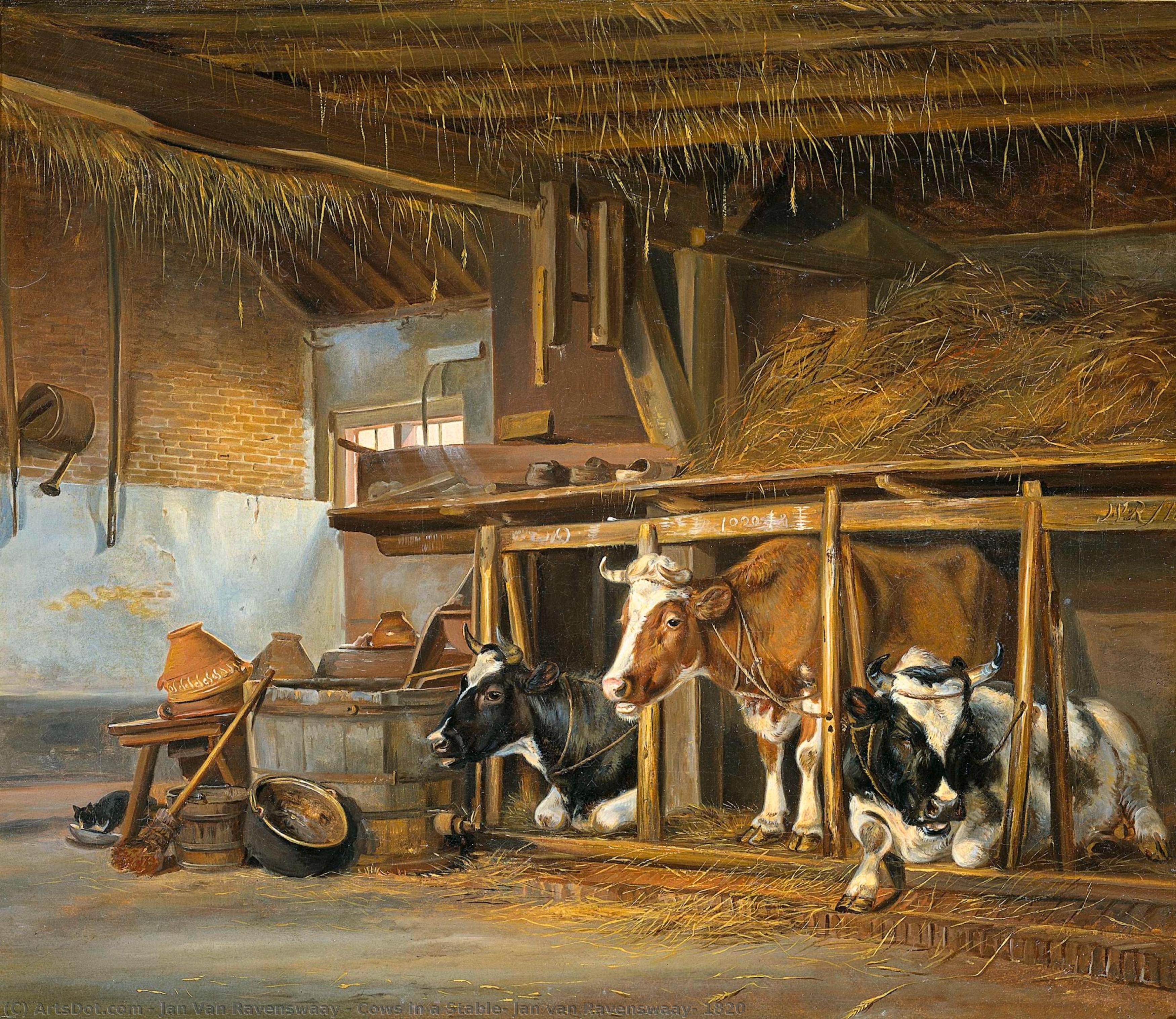
Cows in a Stable, Jan van Ravenswaay, 1820
 1820
1820 39.0 x 46.0 cm
 Read More
Hand Made Oil Reproduction
Hand-painted oil on canvas in your size and frame, made to order by our artists. ( Buy Print Buy Image)




































Pick from our preset sizes that match the artwork's original proportions.

You may enter your own dimensions to fit a specific frame or space. If your selected size does not match the original image's proportions, we will either crop the artwork or extend the painting with additional hand-painted elements. A digital mockup will be sent for your approval before production begins.
Please note that the on-screen preview does not reflect the actual cropping or extension. Only the mockup will accurately show the final composition.
While custom sizes are available, we recommend selecting a dimension from the predefined list to preserve the original proportions.
After order, ArtsDot.com team will email client for instructions and provide a mockup preview
Worldwide Delivery () in 3/4 weeks instead of standard 5 weeks. (25 August). No compromise on quality.

Free Worldwide Express Shipping

High-Quality Linen Canvas

Full Shipping Insurance

Customs Tax Refund Guarantee

True Color Matching Guarantee

60-Day Return Policy (Defects Only)

100% Money-Back Guarantee

Bulk Discount Offer
 Glass option is only available in size under 110 CM

Cows in a Stable, Jan van Ravenswaay, 1820
Reproduction Medium
Reproduction Size
-


Total Price
$ 263
Artwork Description
Related Artworks







Artist Biography
Jan van Ravenswaay: A Master of Dutch Pastoral Landscapes
Jan van Ravenswaay (28 November 1789, Hilversum – 2 March 1869, Hilversum) stands as a significant figure in 19th-century Dutch landscape painting, renowned for his serene and meticulously detailed depictions of the rural Netherlands. Born into a family of cotton mill owners in the small town of Hilversum, Ravenswaay’s artistic journey began at a young age, initially with drawing lessons under Jordanus Hoorn in Amersfoort before progressing to the tutelage of Pieter Gerardus van Os. This early foundation instilled within him a deep appreciation for observation and technical skill – qualities that would become hallmarks of his mature work.Early Life and Artistic Training
Ravenswaay’s formative years were marked by a deliberate immersion in the artistic world. He embarked on extensive travels throughout Belgium, Germany, and Switzerland, absorbing diverse influences and broadening his understanding of landscape painting techniques. These journeys weren't merely excursions; they served as crucial periods of study and experimentation, allowing him to refine his style and develop a unique perspective. Returning to Amsterdam, he joined the prestigious Royal Academy of Art, further honing his skills within a formal artistic environment. A notable early achievement was an honorable mention at the Felix Meritis competition in 1818 for a landscape painting – a recognition that signaled his growing talent and established him as a promising artist.Membership and Artistic Society
In 1832, Ravenswaay’s reputation solidified with his acceptance into the influential artist society Arti Sacrum in Rotterdam. This membership provided him with invaluable opportunities for exhibition, collaboration, and professional development. Arti Sacrum fostered a vibrant artistic community dedicated to depicting scenes of rural life and religious subjects, aligning perfectly with Ravenswaay's chosen subject matter. He became a respected mentor, nurturing the talents of promising artists such as Jacobus Theodorus Abels and Remigius Adrianus Haanen, passing on his knowledge and techniques through instruction. Interestingly, his niece, Adriana van Ravenswaay, also followed in his artistic footsteps, demonstrating a family legacy of creative expression.Subject Matter and Technique
Ravenswaay’s paintings primarily focused on the landscapes of the northern Netherlands – rolling fields dotted with grazing cattle, meticulously rendered farmyards, and tranquil waterways reflecting the changing light. He possessed an extraordinary ability to capture the subtle nuances of nature, from the texture of rough-hewn fences to the shimmering surface of a pond. His technique was characterized by painstaking detail, achieved through careful observation and precise brushwork. He frequently depicted scenes of rural life, offering glimpses into the daily routines of farmers and laborers – a subject matter that resonated with the Romantic sensibility prevalent during his time. The use of light and shadow played a crucial role in creating depth and atmosphere within his compositions, imbuing them with a sense of realism and tranquility.Legacy and Recognition
Jan van Ravenswaay’s work continues to be appreciated for its technical mastery, serene beauty, and evocative portrayal of the Dutch countryside. His paintings are held in prominent collections across the Netherlands, including the Rijksmuseum and Teylers Museum, testament to his enduring artistic legacy. His influence can also be seen in the works of subsequent generations of landscape painters. While he may not be as widely celebrated as some of his contemporaries, Jan van Ravenswaay remains a significant contributor to Dutch art history – a quiet observer who captured the essence of rural life with remarkable skill and sensitivity. His dedication to portraying the beauty of the Netherlands has secured his place as a master of pastoral landscapes.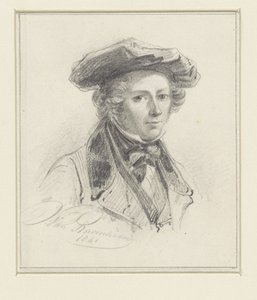
Jan van Ravenswaay
1789 - 1869 , Netherlands
Quick Facts
- Artistic Movement Or Style: Landscape painting
- Artists Or Movements Influenced By This Artist:
- Arti Sacrum
- Romanticism
- Artists Who Influenced This Artist:
- Jordanus Hoorn
- Pieter van Os
- Date Of Birth: November 28, 1789
- Date Of Death: March 2, 1869
- Full Name: Jan van Ravenswaay
- Nationality: Dutch
- Notable Artworks:
- Self-Portrait
- Cow Landscapes
- Stall Interiors
- Place Of Birth: Hilversum, Netherlands