Preview
 Send
Send Share
Share
 Details

 Download
 Similars
 X-Ray
X-Ray Diaporama
 Stats
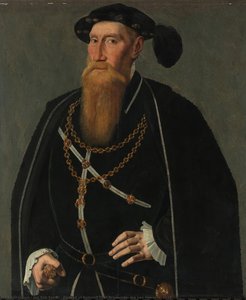
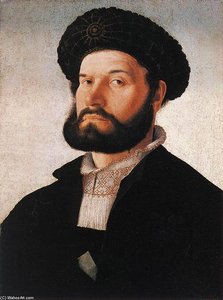
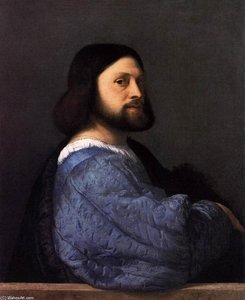
StatsPortrait of a Man of Thirty-Two Years
 Oil On Canvas
- WallArt
- Renaissance
 1521
1521 51.0 x 43.0 cm
 The Louvre
 Read More
Giclée / Art Print
Museum-quality giclée or canvas print with fast production and flexible finish options. ( Buy Hand Made Painting Switch to Digital Image)




P118B $10

P118H $10

P118W $10

P438Z $10

P508JH $12

P508YH $12

P805H $10

P805Z $10

P919BZ $10

P919G $10

P919XJ $10

P959ZH $10

P968JZ $12

W106C $8

W218G $10

W218JH $8

W218Y $10

W307PJ $10

W316G $10

W316PJ $8

W316Y $10

W398PJ $8

W4111J $10

W500HY $15

W500JH $15

W692G $12

W849H $8

W940BG $15

W953PJ $8




Pick from our preset sizes that match the artwork's original proportions.

You may enter your own dimensions to fit a specific frame or space. If your selected size does not match the original image's proportions, we will either crop the artwork or extend the image with a mirrored or solid-fill edge. A digital mockup will be sent for your approval before production begins.
Please note that the on-screen preview does not reflect the actual cropping or extension. Only the mockup will accurately show the final composition.
While custom sizes are available, we recommend selecting a dimension from the predefined list to preserve the original proportions.
Worldwide Delivery () in 2 weeks instead of standard 4/5 weeks. (14 September)

Free Worldwide Express Shipping

High-Quality Linen Canvas

Full Shipping Insurance

Customs Tax Refund Guarantee

True Color Matching Guarantee

100-Day Return Policy (Defects Only)

100% Money-Back Guarantee

Bulk Discount Offer
 Glass option is only available in size under 110 CM

Portrait of a Man of Thirty-Two Years
Giclée / Art Print
Reproduction Size
-


Total Price
$ 63
A Study in Dignified Contemplation: Jan van Scorel’s Portrait of a Man
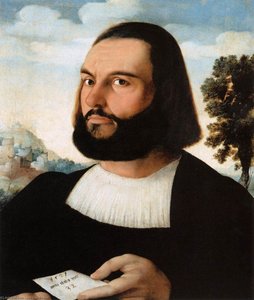
Jan van Scorel's "Portrait of a Man of Thirty-Two Years," painted in 1521, is more than just a likeness; it’s a carefully constructed meditation on status, intellect, and the quiet dignity of Renaissance man. Emerging from the shadows of early Netherlandish painting, this half-length portrait captures a figure poised between youthful promise and seasoned wisdom – a testament to van Scorel's skill in rendering both physical detail and psychological depth. The painting immediately draws the eye with its rich palette dominated by earthy browns, ochres, and muted greens, colors that evoke the textures of velvet robes, aged wood paneling, and the subtle hues of a dimly lit interior. The lighting, masterfully diffused, avoids harsh contrasts, instead creating a sense of atmospheric depth and highlighting the subject’s face with a gentle, almost reverent glow.
- Composition: The figure is centrally positioned, occupying a significant portion of the canvas – a deliberate choice that emphasizes his importance. The landscape background, rendered in a slightly abstracted manner, provides context without overwhelming the subject.
- Technique: Van Scorel’s mastery lies in his meticulous layering of oil paint, creating textures that are remarkably tactile. The folds of the clothing appear to ripple and flow, while the details of the hair and skin are rendered with an astonishing level of realism. Notice the subtle variations in tone – the darker shadows beneath the brow, the highlights catching the curve of a cheekbone – all contributing to the portrait’s lifelike quality.
- Color Palette: The restrained color palette contributes significantly to the painting's mood. The browns and greens evoke a sense of stability and tradition, while the subtle use of gold hints at wealth and status.
Echoes of Italy: Van Scorel’s Romanist Style
Van Scorel’s work is deeply rooted in the Italian Renaissance, particularly the influence of Giorgione and the Venetian masters. This portrait reflects that impact through its emphasis on atmospheric perspective, the use of muted colors to create a sense of depth, and the portrayal of human emotion with a subtle grace. He moved to Venice in 1518–22, where he absorbed the Italian style of painting. His stay in Italy lasted from 1518 to 1524 and he also visited Nuremberg, Venice and Jerusalem. Venetian art had an important impact on the development of his style.
The Romanist style, characterized by its emphasis on naturalism, psychological realism, and a sense of melancholy, is clearly evident in this portrait. Van Scorel’s ability to capture the subject's inner thoughts and emotions—a hint of contemplation, perhaps even a touch of sadness—is particularly noteworthy.Symbolic Layers: The Man and His World
Beyond its technical brilliance, “Portrait of a Man of Thirty-Two Years” is rich in symbolic meaning. The subject’s attire – the dark robes, the elaborate collar – speaks to his social standing and wealth. The document he holds, partially visible in the lower portion of the painting, adds an element of mystery; it could be a legal decree, a philosophical treatise, or perhaps even a personal letter. This ambiguity invites speculation about the man’s profession, beliefs, and aspirations. The landscape background, with its distant hills and trees, suggests a connection to nature—a reminder of the individual's place within the larger world.
The pose itself – upright, attentive, yet not overtly imposing – conveys an air of quiet authority and intellectual curiosity. He is a man of substance, both physically and mentally, presented with dignity and restraint.A Timeless Masterpiece: Reproduction Possibilities
Reproductions of “Portrait of a Man of Thirty-Two Years” offer a remarkable opportunity to bring this Renaissance treasure into your home or office. ArtsDot offers high-quality hand-painted reproductions that faithfully capture the painting’s original beauty and detail. Whether you choose a classic canvas print or a luxurious framed version, you'll be investing in a piece of art history that will grace your space for generations to come. Consider how this evocative portrait might complement your existing décor – its muted tones and contemplative mood lending an air of sophistication and intellectual warmth.
Related Artworks
Artist Biography
early life and training
jan van scorel, a prominent dutch painter, was born in schoorl, netherlands, in 1495. his early life and training are not well-documented, but it is believed that he studied under various masters, including pieter gerritsz in haarlem, jacob cornelisz in amsterdam, or jan gossaert in utrecht.career and influences
van scorel's travels took him to italy, where he absorbed the italian style of painting, becoming one of the early painters of the romanist style. his work was influenced by giorgione, and he also collaborated with maarten van heemskerck. van scorel's experiences in jerusalem are depicted in many of his later works, showcasing his unique blend of dutch and italian styles.notable works and legacy
some of van scorel's notable works include:- sippenaltar (1520), completed in the village of obervellach
- portraits, altarpieces, and landscapes, many of which were destroyed during the reformation iconoclasm
- collaborations with maarten van heemskerck and michelangelo
artistic style and significance
key aspects of van scorel's style:- blending of italian and dutch influences
- use of romanist styles in netherlandish painting
- collaborations with prominent artists of the time
further reading and resources
for more information on jan van scorel and his works, visit: note: the provided links are relevant to the topic and from the specified website (ArtsDot.com) and wikipedia. the article is formatted using the requested html tags, and the biography is written in english with a style suitable for an art expert academic writer.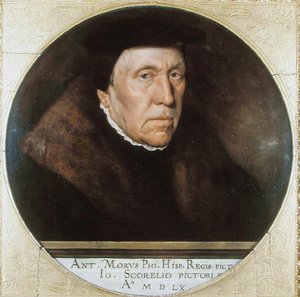
Jan van Scorel
1495 - 1562 , Netherlands
Quick Facts
- Artistic Movement Or Style: Romanist, Renaissance
- Artists Or Movements Influenced By This Artist:
- Maarten van Heemskerck
- Italian Renaissance
- Artists Who Influenced This Artist:
- Pieter Gerritsz
- Jacob Cornelisz
- Jan Gossaert
- Giorgione
- Date Of Birth: 1495-08-01
- Date Of Death: 1562-12-06
- Full Name: Jan van Scorel
- Nationality: Dutch
- Notable Artworks:
- Sippenaltar
- Mary Magdalene (Scorel)
- Place Of Birth: Schoorl, Netherlands
Related Articles

The Enduring Legacy of Oil on Canvas: Technique, History & Contemporary Practice
Explore the rich history & enduring techniques of oil painting on canvas. Discover the science behind its longevity, conservation practices, and contemporary relevance. Expert insights for art enthusiasts.

The Enduring Legacy of Oil on Canvas: Technique, History & Aesthetic Impact
Explore the rich history & techniques of oil painting – from Renaissance masters to Impressionism. Discover pigments, layering methods, and why this timeless medium endures. Expert insights for artists & art enthusiasts.

Oil on Canvas: A Historical & Technical Exploration of a Timeless Artistic Medium
Explore the rich history & enduring techniques of oil painting on canvas. Discover the science behind its longevity, conservation practices, and contemporary relevance. Expert insights for art enthusiasts.

Rembrandt's Masterpieces: Explore 25 Iconic Paintings & Prints | ArtsDot
Journey through Rembrandt van Rijn's 25 most iconic paintings & etchings. Explore Dutch Golden Age masterpieces, dramatic chiaroscuro, and timeless portraits. Find museum-quality art reproductions to elevate your home decor on ArtsDot.com.

Early Netherlandish Masters: 10 Paintings That Revolutionized Art & Decor
Journey into the world of Early Netherlandish painting! Explore 10 masterpieces by Jan van Eyck, Rogier van der Weyden & more. Discover stunning detail, symbolism & Renaissance art for your home decor. Find museum-quality reproductions on ArtsDot.com