 Preview
 Send
Send Share
Share
 Details

 Download
 Similars
 X-Ray
X-Ray Diaporama
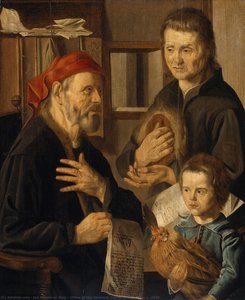
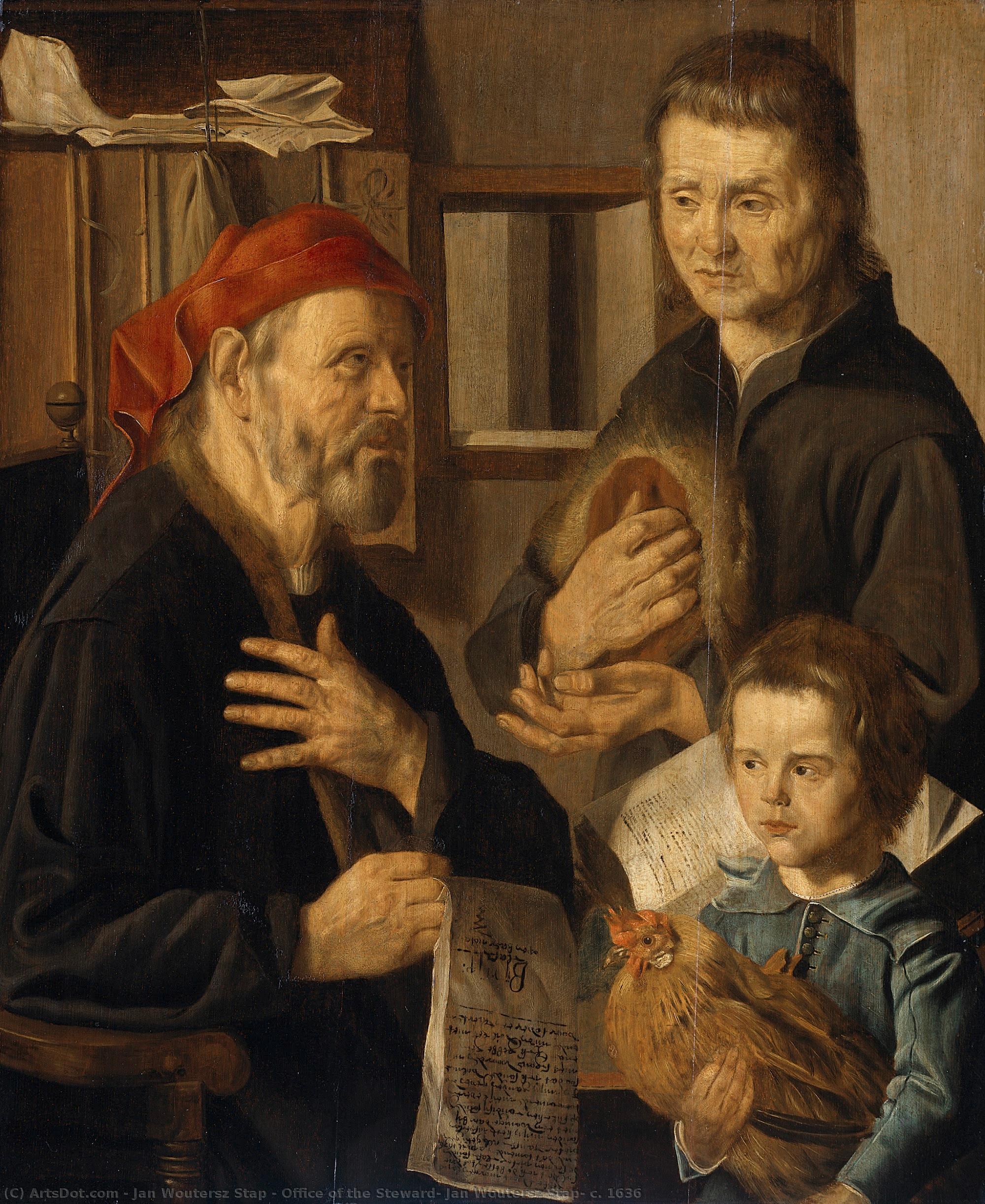
Office of the Steward, Jan Woutersz Stap, c. 1636
 1636
1636 83.0 x 69.0 cm
 Read More
Giclée / Art Print
Museum-quality giclée or canvas print with fast production and flexible finish options. ( Buy Hand Made Painting Buy Image)




































Pick from our preset sizes that match the artwork's original proportions.

You may enter your own dimensions to fit a specific frame or space. If your selected size does not match the original image's proportions, we will either crop the artwork or extend the image with a mirrored or solid-fill edge. A digital mockup will be sent for your approval before production begins.
Please note that the on-screen preview does not reflect the actual cropping or extension. Only the mockup will accurately show the final composition.
While custom sizes are available, we recommend selecting a dimension from the predefined list to preserve the original proportions.
Worldwide Delivery () in 2 weeks instead of standard 4/5 weeks. (3 September)

Free Worldwide Express Shipping

High-Quality Linen Canvas

Full Shipping Insurance

Customs Tax Refund Guarantee

True Color Matching Guarantee

60-Day Return Policy (Defects Only)

100% Money-Back Guarantee

Bulk Discount Offer
 Glass option is only available in size under 110 CM

Office of the Steward, Jan Woutersz Stap, c. 1636
Giclée / Art Print
Reproduction Size
-


Total Price
$ 63
Related Artworks









Artist Biography
life and works of a mysterious master
jan woutersz stap, a dutch painter from the 17th century, has left an indelible mark on the art world with his captivating genre works. born in amsterdam in 1599, stap's life remains shrouded in mystery, yet his paintings continue to intrigue art enthusiasts and scholars alike.artistic contributions
stap is renowned for his allegorical context portraits, often depicting people at work. his religious compositions, such as the deposition (a painting of christ being removed from the cross) and the entombment (a painting of christ being placed in the tomb), showcase his mastery of emotive and thought-provoking art.- jan woutersz stap's works can be found in various museums, including the rijksmuseum, which houses an extensive collection of dutch golden age paintings.
- his style, characterized by a blend of realism and allegory, has drawn comparisons to other notable artists of his time.
- despite the limited information on his life, stap's art continues to be celebrated for its unique blend of allegorical and realistic elements.
notable works and collections
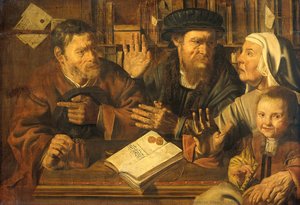
* the notary’s office (c. 1629), a prime example of stap's genre work, can be found in the rijksmuseum. * the landlord’s steward (c. 1636) is another notable piece, showcasing stap's ability to capture the essence of his subjects.discover more on ArtsDot.com
* explore jan woutersz stap's collection on ArtsDot.com. * delve into the world of dutch golden age paintings with our extensive art collections.unravel the mysteries of jan woutersz stap's art
while much of stap's life remains a mystery, his art continues to captivate audiences. visit the museum mauritshuis or the stedelijk museum amsterdam to experience the magic of dutch golden age paintings, including those by jan woutersz stap.
jan woutersz stap
1599 - 1663 , Netherlands
Quick Facts
- Artistic Movement Or Style: Dutch Golden Age
- Artists Or Movements Influenced By This Artist: ['Allegorical Art']
- Artists Who Influenced This Artist: ['Hans Memling']
- Date Of Birth: Amsterdam, Netherlands (1599)
- Date Of Death: 1663
- Full Name: Jan Woutersz Stap
- Nationality: Dutch
- Notable Artworks:
- The Notary’s Office
- The Landlord’s Steward
- Place Of Birth: Amsterdam