 Preview
 Send
Send Share
Share
 Details

 Download
 Similars
 X-Ray
X-Ray Diaporama
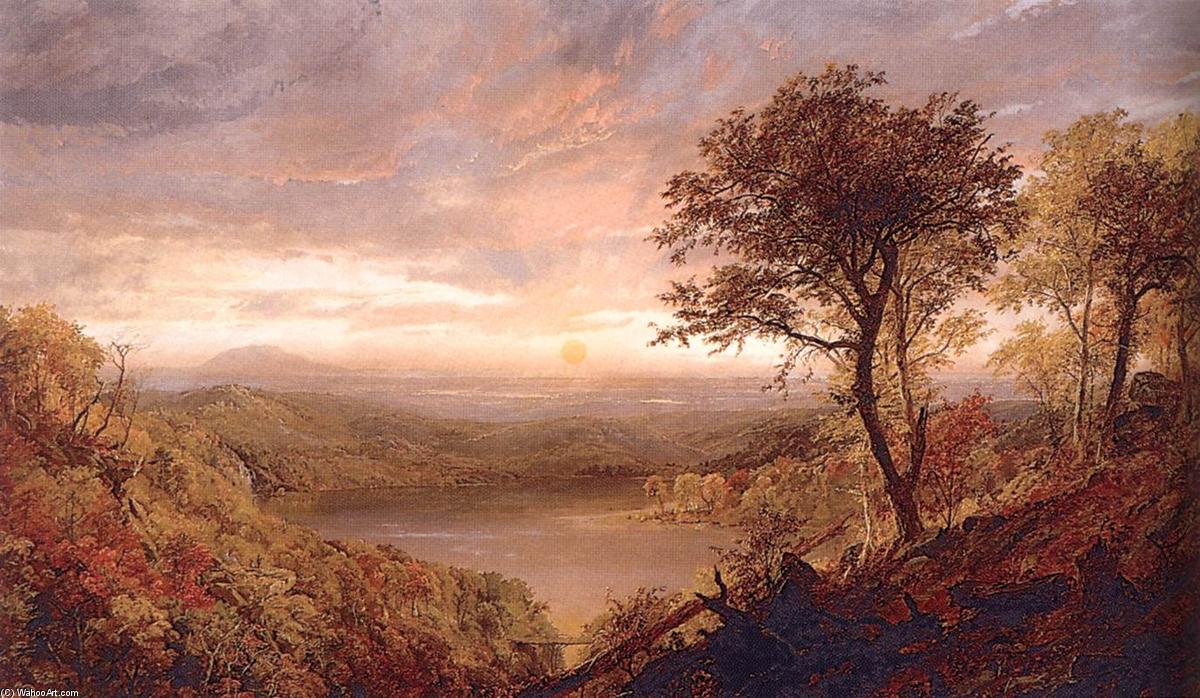
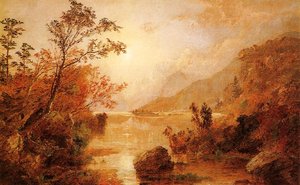
Greenwood Lake
 Oil On Canvas
- WallArt
- Hudson River School
 1870
1870- 19th Century
 97.0 x 173.0 cm
 Museo Thyssen-Bornemisza
 Read More
Hand Made Oil Reproduction
Hand-painted oil on canvas in your size and frame, made to order by our artists. ( Buy Print Buy Image)




P118B $10

P118H $10

P118W $10

P438Z $10

P508JH $12

P508YH $12

P805H $10

P805Z $10

P919BZ $10

P919G $10

P919XJ $10

P959ZH $10

P968JZ $12

W106C $8

W218G $10

W218JH $8

W218Y $10

W307PJ $10

W316G $10

W316PJ $8

W316Y $10

W398PJ $8

W4111J $10

W500HY $15

W500JH $15

W692G $12

W849H $8

W940BG $15

W953PJ $8




Pick from our preset sizes that match the artwork's original proportions.

You may enter your own dimensions to fit a specific frame or space. If your selected size does not match the original image's proportions, we will either crop the artwork or extend the painting with additional hand-painted elements. A digital mockup will be sent for your approval before production begins.
Please note that the on-screen preview does not reflect the actual cropping or extension. Only the mockup will accurately show the final composition.
While custom sizes are available, we recommend selecting a dimension from the predefined list to preserve the original proportions.
After order, ArtsDot.com team will email client for instructions and provide a mockup preview
Worldwide Delivery () in 3/4 weeks instead of standard 5 weeks. (17 August). No compromise on quality.

Free Worldwide Express Shipping

High-Quality Linen Canvas

Full Shipping Insurance

Customs Tax Refund Guarantee

True Color Matching Guarantee

60-Day Return Policy (Defects Only)

100% Money-Back Guarantee

Bulk Discount Offer
 Glass option is only available in size under 110 CM

Greenwood Lake
Reproduction Medium
Reproduction Size
-


Total Price
$ 263
Artwork Description
A Symphony of Autumn: Jasper Francis Cropsey’s Greenwood Lake
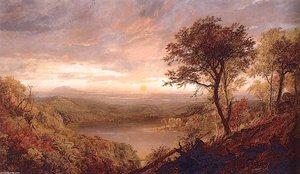
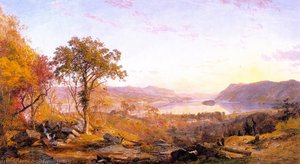
Jasper Francis Cropsey's "Greenwood Lake," painted in 1870, isn’t merely a landscape; it’s an immersive experience—a carefully constructed tableau designed to evoke the sublime beauty and emotional resonance of nature. This oil on canvas, currently residing within the Museo Thyssen-Bornemisza in Madrid, stands as a quintessential example of the Hudson River School movement, a period defined by its reverence for the American wilderness and its commitment to capturing the grandeur of the natural world. Cropsey’s work transcends simple representation, instead aiming to convey a profound sense of awe and tranquility through masterful technique and evocative color.
The painting depicts Greenwood Lake in New Jersey, a location that held particular significance for Cropsey, who frequently visited and sketched the area. The composition is dominated by a vast expanse of water reflecting a dramatic sunset sky—a scene rendered with an almost photographic precision, yet imbued with a distinctly Romantic sensibility. Foreground elements – rugged cliffs draped in autumnal foliage, a small wooden bridge arching gracefully over the lake – establish a strong sense of depth and grounding. These details aren’t merely decorative; they invite the viewer to step into the scene, to feel the cool dampness of the rocks beneath their feet and smell the scent of decaying leaves.
The Language of Light and Color
Cropsey's artistic signature lies in his skillful manipulation of light and color. The painting is dominated by a warm palette—russets, ochres, and fiery oranges—that intensifies as it recedes into the distance. This gradient effect, moving from soft pinks in the sky to deeper blues on the water, creates a dynamic sense of movement and atmosphere. His use of loose brushstrokes, characteristic of the Hudson River School, adds texture and vitality to the foliage, suggesting the rustle of leaves in the breeze. The reflection of the sunset on the lake’s surface is particularly noteworthy—a shimmering pool of molten gold that seems to radiate outwards, drawing the eye into the heart of the composition.
Cropsey's technique also reveals a strong architectural background. He was an architect by trade and this training is evident in his meticulous attention to detail and his ability to render complex forms with remarkable accuracy. However, he doesn’t simply replicate reality; instead, he transforms it—enhancing its beauty and imbuing it with emotional depth. The painting isn't a literal depiction of Greenwood Lake, but rather an idealized vision of the American landscape, filtered through Cropsey’s artistic sensibility.
Historical Context and Symbolic Resonance
"Greenwood Lake" emerged during a pivotal moment in American art history—the mid-19th century. The Hudson River School represented a shift away from European academic traditions towards a celebration of the uniquely American landscape. Artists like Cropsey sought to capture the spirit of the frontier, portraying it not as a wilderness to be conquered, but as a source of spiritual and emotional sustenance. The painting’s subject matter—a serene lake surrounded by autumnal forests—evokes themes of peace, solitude, and connection with nature – values highly prized during this era.
Furthermore, the scene carries symbolic weight. The sunset represents not just the end of a day but also the promise of renewal and rebirth. The rugged cliffs symbolize strength and resilience, while the tranquil lake embodies serenity and reflection. Cropsey’s work invites contemplation on humanity's place within the vastness of nature—a reminder of our own vulnerability and insignificance in the face of its enduring power.
A Timeless Masterpiece: Reproduction Possibilities
"Greenwood Lake" remains a powerfully evocative painting, captivating viewers with its beauty and emotional depth. A hand-painted reproduction offers an exceptional opportunity to bring this iconic work into your home or office—a stunning addition to any collection. The meticulous detail and vibrant colors of the original are faithfully recreated in our reproductions, ensuring that you can experience the full impact of Cropsey’s artistic vision. Consider a reproduction as a conversation starter, a source of inspiration, or simply a beautiful reminder of the enduring power of nature.
Related Artworks
![Legend Of St Francis - [24] - Canonization Of St Francis — Giotto Di Bondone, Gothic](/media/artworks/images/thumbnails/46/25/46258ba5eea24e14b12f138b9d3f90a3.jpg)
![Life Of Saint Francis - [04] - Death And Ascension Of St Francis — Giotto Di Bondone, Italian Renaissance](/media/artworks/images/thumbnails/e8/b6/e8b63a7fcb4a42ab89d26ae343d6f757.jpg)

Artist Biography
A Life Rooted in Landscape
Jasper Francis Cropsey, a name inextricably linked with the romantic vision of the American wilderness, stands as a pivotal figure within the Hudson River School of painting. Born on February 18, 1823, amidst the pastoral tranquility of Staten Island, New York, his early life was shaped by both artistic inclination and physical vulnerability. Frequent bouts of illness confined young Jasper indoors, yet these periods of seclusion proved unexpectedly fertile ground for his burgeoning talent. He found solace and expression in drawing, meticulously filling notebooks and schoolbooks with sketches—detailed studies of architectural forms and the surrounding countryside. This self-directed education laid a crucial foundation, fostering a career that would seamlessly blend architectural precision with a painter’s sensitivity to light, atmosphere, and the emotional resonance of nature. The son of a farmer, Cropsey inherited a deep reverence for the land, a sentiment that became the cornerstone of his artistic vision—he wasn't merely depicting landscapes; he was conveying an intimate, almost spiritual connection to the natural world.From Architectural Draftsmanship to Artistic Devotion
Initially pursuing formal training in architecture under Joseph Trench in the early 1840s, Cropsey quickly demonstrated a remarkable aptitude for both design and draftsmanship. He established his own architectural practice in 1843, contributing significantly to New York City’s rapidly evolving infrastructure—including designs for stations on the elevated railways. However, the pull of pure artistic expression proved irresistible. His election as an associate member of the National Academy of Design in 1844 signaled a decisive shift towards painting, a commitment not merely to a new medium but to exploring the sublime power and spiritual depth inherent in the natural world. A transformative journey to Europe between 1847 and 1849, encompassing England, France, Switzerland, and Italy, further refined his skills and broadened his artistic horizons. Immersing himself in the works of the Old Masters, he absorbed techniques and compositional strategies that would inform his uniquely American style. Upon his return, Cropsey was welcomed as a full member of the National Academy in 1851, solidifying his position within the burgeoning art world. This recognition affirmed his dedication to capturing the essence of the American landscape with an increasingly sophisticated artistic voice.The Hudson River School and a Vision of Autumn
Cropsey emerged as a defining voice within the first generation of the Hudson River School artists—a group celebrated for their romanticized depictions of the American wilderness. He shared with contemporaries like Thomas Cole and Frederic Church a belief that landscapes were not simply scenic views but profound expressions of divine creation. His paintings captivated viewers with their boldness and brilliance, particularly his masterful use of color to capture the vibrant hues of autumn. Works such as Autumn on the Hudson (1860) exemplify this signature style—a dazzling display of reds, golds, and oranges that evoke a sense of both grandeur and tranquility. He wasn’t simply recording what he saw; he was imbuing his landscapes with an emotional intensity, reflecting his deep spiritual connection to nature. Lake Nemi in Italy (1879) demonstrates the lasting impact of his European travels, while Greenwood Lake (1875) showcases his idealized vision of the American Northeast—a landscape imbued with a sense of pristine beauty and unspoiled wilderness.- Architectural Precision: His background in architecture is evident in the carefully constructed compositions and detailed rendering of forms.
- Vibrant Color Palette: He was renowned for his masterful use of color, particularly in capturing the brilliance of autumn foliage.
- Romantic Idealization: His landscapes often present an idealized vision of nature—a pristine wilderness untouched by human intervention.
- Spiritual Resonance: Cropsey believed that landscapes were expressions of divine creation, imbuing his paintings with a sense of spiritual depth.
- Detailed Observation: Despite the romanticized quality of his work, he demonstrated a keen eye for detail—accurately depicting trees, rocks, and other natural elements.
Legacy and Enduring Influence
Despite facing periods of financial hardship and shifting artistic tastes, Cropsey’s work continued to resonate throughout his life. He co-founded the American Society of Painters in Water Colors in 1866, demonstrating his commitment to fostering a vibrant artistic community. He designed and built “Aladdin,” an elaborate mansion and studio overlooking Greenwood Lake in Warwick, New York—a testament to his architectural skills and his desire for a harmonious integration of art and life. Though the estate proved financially unsustainable, it served as a creative haven during his most productive years. Jasper Francis Cropsey passed away on June 22, 1900, leaving behind a legacy that continues to inspire awe and admiration. Rediscovered in the 1960s after a period of relative obscurity, his paintings are now prominently featured in major American museums, including the National Gallery of Art, the Metropolitan Museum of Art, and Crystal Bridges Museum of American Art. His contributions to the Hudson River School, coupled with his architectural designs, cement his place as an integral figure in American art and architecture history—a master who captured the soul of a nation through the beauty of its landscapes. His work remains a powerful reminder of the enduring allure of the natural world and the transformative power of artistic vision.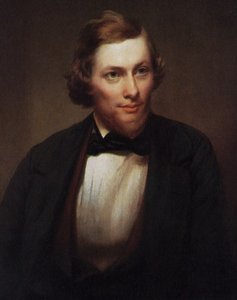
Jasper Francis Cropsey
1823 - 1900 , United States of America
Quick Facts
- Artistic Movement Or Style: Hudson River School
- Artists Who Influenced This Artist:
- Thomas Cole
- Frederic Church
- Date Of Birth: February 18, 1823
- Date Of Death: June 22, 1900
- Full Name: Jasper Francis Cropsey
- Nationality: American
- Notable Artworks:
- Autumn on the Hudson
- Lake Nemi in Italy
- Greenwood Lake
- Place Of Birth: Staten Island, USA
Related Articles
Hudson River School: 10 Masterpieces That Capture America's Wild Beauty | ArtsDot
Journey through America's breathtaking landscapes with our guide to the Top 10 Hudson River School masterpieces. Explore Thomas Cole, Frederic Church & more! Find museum-quality art reproductions and elevate your home decor at ArtsDot.com.
Jasper Francis Cropsey: Luminism, Landscape & the American Pastoral Ideal
Explore the captivating landscapes of Jasper Francis Cropsey, a leading figure of the Hudson River School & Luminism movement. Discover his signature style and idyllic American scenes. Own a hand-painted reproduction today!

Francis Bacon's Masterpieces: Exploring 25 Iconic Paintings | ArtsDot
Delve into the haunting world of Francis Bacon with ArtsDot. Explore 25 iconic paintings, from his visceral portraits to powerful triptychs. Discover the stories behind these masterpieces & find museum-quality art reproductions for your home. Explore the full collection online!

The Sublime Landscape: Exploring the Hudson River School Movement
Explore the captivating world of the Hudson River School! Discover the history, artists, and defining characteristics of this iconic American art movement. Learn about Romanticism's influence & find inspiration for your collection.
David Johnson: A Luminist Master of the Hudson River School & Beyond
Explore the captivating landscapes of David Johnson, a key figure in the Hudson River School & Luminism movement. Discover his artistic evolution, legacy, and how to collect his works with ArtsDot.