

 Preview
 Send
Send Share
Share
 Details

 Download
 Similars
 X-Ray
X-Ray Diaporama
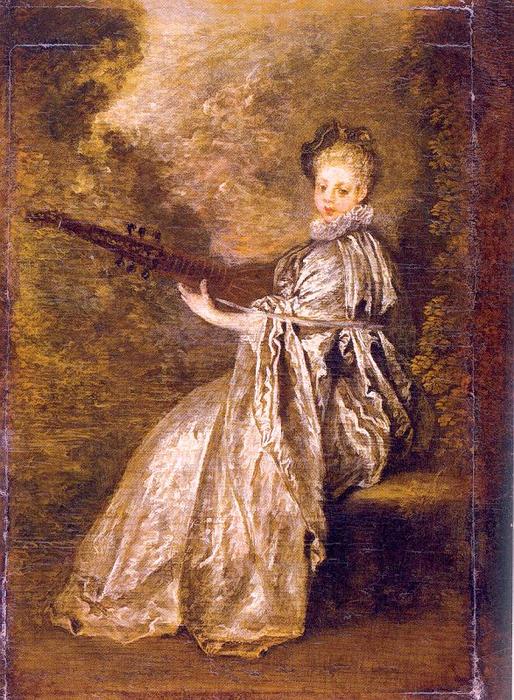
The Artful Girl


 Read More
Purchase a high-resolution, enhanced digital image, far superior to the online preview.
Each file is meticulously prepared by our in-house specialists using advanced tools and expert manual retouching. We ensure every image has exceptional clarity, precise color accuracy, and fine detail.
The final file is delivered via email within 72 hours, optimized for immediate use in professional, editorial, and print environments. This is the same quality trusted by top-tier design studios, publishers, and galleries.
Digital Image
Download a high-resolution file for personal display, printing, and creative projects. ( Buy Print Buy Hand Made Painting)
Included in Every Digital Image Order
Expert Digital Delivery, Guaranteed
When you choose ArtsDot.com, you're not just getting an image - you're receiving a professionally enhanced digital artwork, crafted with precision and backed by a satisfaction guarantee. Here's everything that comes with your order, automatically:

Fast Email Delivery
Your high-resolution digital image file will be emailed to you within 72 hours of ordering - ready for immediate use.

AI-Enhanced Digital File
Your artwork is professionally optimized using advanced AI tools and manual editing, ensuring maximum detail, clarity, and color accuracy.

Free Lifetime Re-Delivery
Accidentally deleted or lost your file? No worries - we'll resend it to you anytime, free of charge.

No Import Fees - Ever
Enjoy your artwork instantly with zero customs, duties, or delivery fees - digital downloads are always tax-free.

Color Accuracy Guarantee
We ensure your digital image reflects the original colors as closely as possible using professional tools and color management.

60-Day Satisfaction Guarantee
If you're not satisfied with your digital image, we'll revise it or refund 100% within 60 days - no questions asked.

100% Money-Back Guarantee
Not satisfied? Get a full refund within 60 days of receiving your digital file - no questions asked.

Bulk Order Discounts
Buy 3 images, save 10% - Buy 5, save 15% - Buy 10+, save 20%. Great for creative projects, galleries, and agencies.
Collectible Description
An Intimate Moment: Exploring Watteau’s “The Artful Girl”
Jean-Antoine Watteau's "The Artful Girl" is a captivating example of Rococo portraiture, offering a glimpse into the refined sensibilities and leisurely pursuits of 18th-century French society. The painting centers on a young woman elegantly seated upon a bench, her hands poised as if gently caressing – or about to play – a lute-like instrument. Her elaborate dress, complete with a delicately ruffled collar, speaks to her status and the fashionable tastes of the era.Style & Technique: The Essence of Rococo
Watteau was a pivotal figure in transitioning art from the grandeur of the Baroque period to the more intimate and playful style of the Rococo. This painting exemplifies his signature approach. Notice the luminous, dreamlike quality achieved through soft brushstrokes and a delicate palette. He masterfully employs *fêtes galantes* – scenes of elegant outdoor gatherings – even within this portrait format. The presence of two additional figures flanking the central subject suggests an unfolding narrative, hinting at a larger social scene. Watteau’s technique isn't about precise detail; it’s about capturing atmosphere and suggestion, creating a sense of fleeting beauty.Historical Context: A World of Elegance & Refinement
Born in 1684, Watteau lived during a period of significant social change in France. The reign of Louis XV saw a shift away from the strict formality of his predecessor, Louis XIV, towards a more relaxed and pleasure-seeking lifestyle among the aristocracy. Watteau’s art perfectly reflects this new ethos. He wasn't painting historical or religious scenes; he was documenting the lives – and loves – of the upper classes. His work offered an escape into a world of idyllic beauty and refined entertainment, a stark contrast to the political tensions brewing beneath the surface.Symbolism & Interpretation
The lute itself is rich in symbolism. Historically associated with love, poetry, and music, it suggests the woman’s artistic inclinations and perhaps her romantic interests. The seemingly unfinished nature of the scene – are we witnessing a prelude to performance or a moment of quiet contemplation? – invites viewers to project their own narratives onto the painting. The inclusion of the two flanking figures adds another layer of intrigue; they aren't merely observers, but participants in an unspoken drama. It’s worth noting that “Jean” was also used as a female given name during this period, adding a subtle personal touch to the artwork.Emotional Impact & Aesthetic Appeal
“The Artful Girl” evokes a sense of gentle melancholy and wistful longing. The woman's expression is enigmatic – is it happiness, sadness, or simply thoughtful concentration? This ambiguity is key to the painting’s enduring appeal. Its delicate colors, graceful composition, and evocative atmosphere make it an ideal piece for collectors seeking sophisticated elegance. For interior designers, this artwork would lend a touch of refined charm to any space, particularly bedrooms, living rooms, or studies aiming for a classic French aesthetic.Key Characteristics
- Artist: Jean-Antoine Watteau
- Style: Rococo
- Subject: Portrait, Musical Scene
- Mood: Intimate, Melancholic, Elegant
Related Artworks
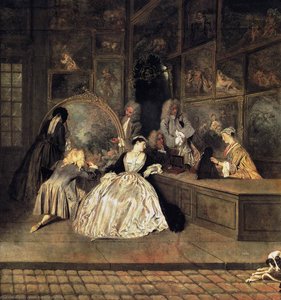
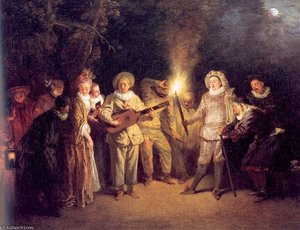
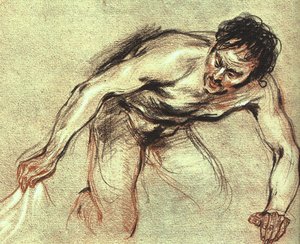
Artist Biography
A Delicate Brushstroke: The Life and Art of Jean-Antoine Watteau
Jean-Antoine Watteau, a name synonymous with the blossoming Rococo style, emerged from the northern French city of Valenciennes in 1684. His brief but incandescent career irrevocably altered the course of eighteenth-century painting, shifting its focus from the grandeur and drama of the Baroque to an intimate world of elegance, leisure, and subtle emotion. Unlike many artists who followed a clearly defined path, Watteau’s journey was marked by initial struggles for recognition within the established art institutions of Paris. Born into a family of modest means—his father a master roofer—young Jean-Antoine displayed an early aptitude for drawing, initially sketching the colorful characters and bustling scenes of his hometown streets. This formative experience instilled in him a keen eye for observation and a fascination with everyday life, themes that would permeate his later work. His initial training under local artists Jacques-Albert Gérin and Julien provided a foundation, but it was his move to Paris around 1702 that truly ignited his artistic development.From Theatrical Scenes to *Fêtes Galantes*
In the vibrant heart of Paris, Watteau entered the workshop of Claude Gillot, a painter specializing in theatrical designs and the popular genre of *fêtes galantes*—depictions of aristocratic outdoor entertainments. This apprenticeship proved pivotal. Gillot’s influence exposed Watteau to the world of commedia dell'arte, with its masked characters and playful narratives, which would become a recurring motif throughout his oeuvre. However, Watteau’s artistic sensibilities didn’t neatly align with the rigid categories favored by the Académie Royale de Peinture et de Sculpture. His genre paintings were deemed unsuitable for official recognition, leading to initial rejection when he attempted to compete for the prestigious Prix de Rome. Undeterred, and demonstrating a remarkable resilience, Watteau persevered, eventually gaining acceptance as a *maître amateur* in 1717—a status that allowed him to exhibit his work independently. This period marked a crucial turning point, allowing him to fully develop his unique style characterized by luminous colors, delicate brushwork, and an air of wistful melancholy. He began to move away from direct theatrical representation towards more poetic and evocative scenes, inventing the *fête galante* as a distinct genre—idyllic gatherings in park-like settings where aristocratic figures engaged in flirtatious pursuits and refined pastimes.The Essence of Rococo: Style and Masterpieces
Watteau’s paintings are instantly recognizable for their distinctive qualities. He possessed an unparalleled ability to capture the elegance and refinement of aristocratic life, not through bombastic displays of power or wealth, but through subtle gestures, nuanced expressions, and a masterful use of light and color. His figures exude a poetic grace and a delicate emotional depth that sets them apart from the more formal portraits of his predecessors. The Country Dance (1718-1721), perhaps one of his most celebrated works, exemplifies this perfectly—a vibrant scene depicting carefree rustic life with exquisite detail and an underlying sense of longing. Other masterpieces such as Ceres (Summer) (1705) demonstrate his skill in portraying the beauty of nature and the human form, while The Embarkation for Cythera (1717) and its companion piece, Pilgrimage to Cythera, are iconic depictions of mythological journeys to the island of love, imbued with a sense of mystery and romantic yearning. Even his theatrical portraits, like Gilles (1719), possess an enigmatic quality that invites contemplation. Watteau’s technique was equally innovative; he employed a feathery brushstroke and a delicate layering of colors to create a shimmering effect, capturing the fleeting beauty of light and atmosphere.Legacy and Enduring Influence
Watteau's artistic lineage is complex, drawing inspiration from diverse sources. He deeply admired Venetian Renaissance masters like Titian and Veronese, particularly their rich color palettes and dynamic compositions. The influence of Flemish artists such as Rubens is also evident in his energetic brushwork and sensuous figures. However, Watteau didn’t simply imitate these predecessors; he synthesized their influences into something entirely new and uniquely his own—a style that became the hallmark of Rococo painting. Despite a tragically short life—he succumbed to tuberculosis in 1721 at the age of just thirty-seven—Watteau left an indelible mark on art history. His work profoundly influenced generations of artists, including Fragonard and Boucher, who further developed the themes and techniques he pioneered. He redefined genre painting, elevating it to a level of artistic sophistication previously reserved for historical or religious subjects. Today, his paintings are treasured in major museums worldwide—from the National Gallery of Art in Washington D.C. to the Museo del Prado in Madrid—continuing to captivate audiences with their beauty, grace, and enduring appeal, solidifying his place as one of the most important and beloved artists of the Rococo period.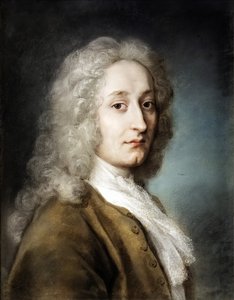
Jean-Antoine Watteau
1684 - 1721 , France
Quick Facts
- Artistic Movement Or Style: Rococo
- Artists Or Movements Influenced By This Artist:
- Fragonard
- Boucher
- Artists Who Influenced This Artist:
- Titian
- Veronese
- Rubens
- Date Of Birth: 1684
- Date Of Death: 1721
- Full Name: Jean-Antoine Watteau
- Nationality: French
- Notable Artworks:
- The Country Dance
- Ceres (Summer)
- The Marriage Contract
- Gilles
- Cythera paintings
- Place Of Birth: Valenciennes, France

