

 Preview
 Send
Send Share
Share
 Details

 Download
 Similars
 X-Ray
X-Ray Diaporama
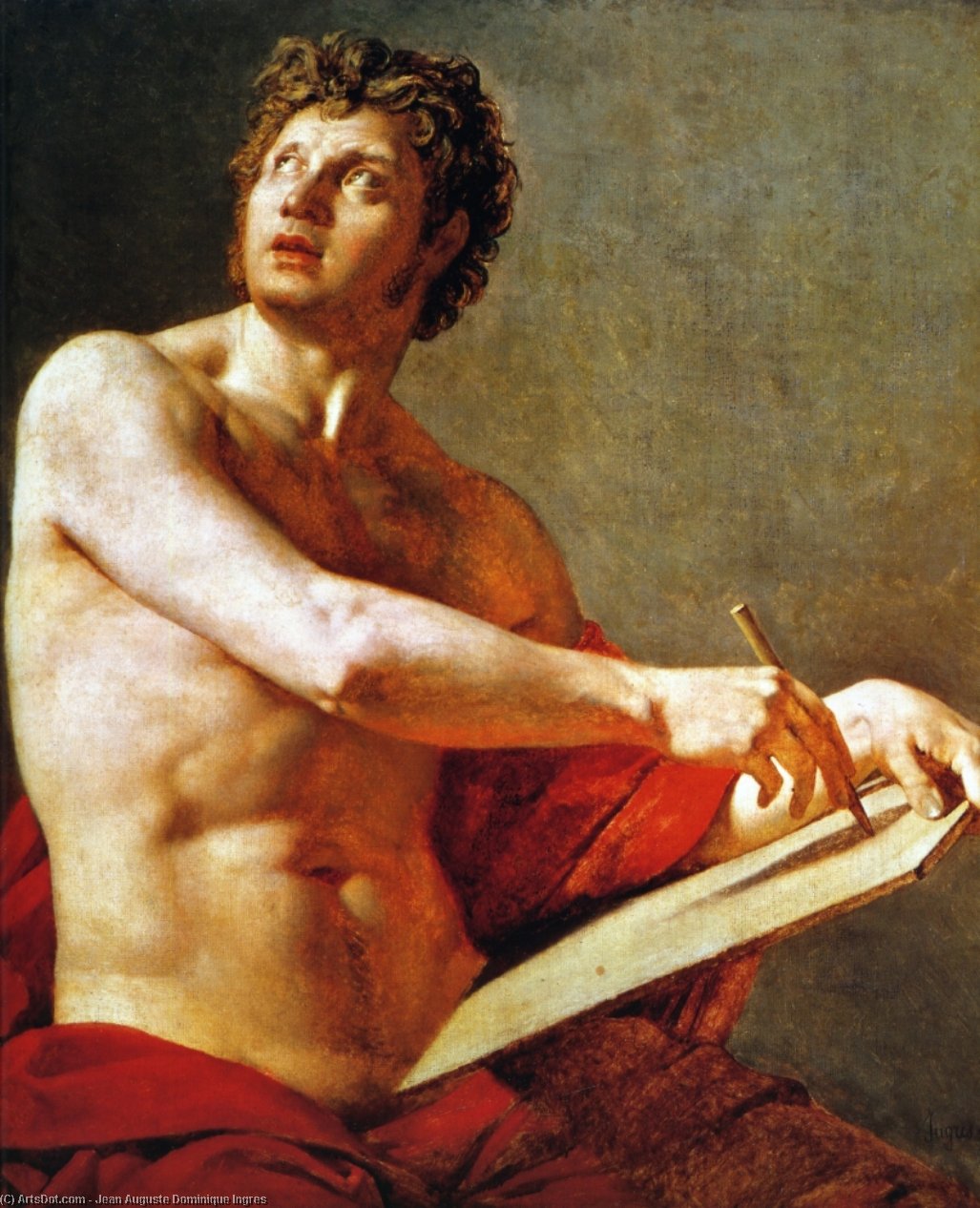
Academic Study of a Male Torse
 Oil On Canvas
- WallArt
- Neo-Classicism
 1801
1801- 19th Century
 97.0 x 80.0 cm
 Read More
Purchase a high-resolution, enhanced digital image, far superior to the online preview.
Each file is meticulously prepared by our in-house specialists using advanced tools and expert manual retouching. We ensure every image has exceptional clarity, precise color accuracy, and fine detail.
The final file is delivered via email within 72 hours, optimized for immediate use in professional, editorial, and print environments. This is the same quality trusted by top-tier design studios, publishers, and galleries.
Digital Image
Download a high-resolution file for personal display, printing, and creative projects. ( Buy Print Buy Hand Made Painting)
Included in Every Digital Image Order
Expert Digital Delivery, Guaranteed
When you choose ArtsDot.com, you're not just getting an image - you're receiving a professionally enhanced digital artwork, crafted with precision and backed by a satisfaction guarantee. Here's everything that comes with your order, automatically:

Fast Email Delivery
Your high-resolution digital image file will be emailed to you within 72 hours of ordering - ready for immediate use.

AI-Enhanced Digital File
Your artwork is professionally optimized using advanced AI tools and manual editing, ensuring maximum detail, clarity, and color accuracy.

Free Lifetime Re-Delivery
Accidentally deleted or lost your file? No worries - we'll resend it to you anytime, free of charge.

No Import Fees - Ever
Enjoy your artwork instantly with zero customs, duties, or delivery fees - digital downloads are always tax-free.

Color Accuracy Guarantee
We ensure your digital image reflects the original colors as closely as possible using professional tools and color management.

60-Day Satisfaction Guarantee
If you're not satisfied with your digital image, we'll revise it or refund 100% within 60 days - no questions asked.

100% Money-Back Guarantee
Not satisfied? Get a full refund within 60 days of receiving your digital file - no questions asked.

Bulk Order Discounts
Buy 3 images, save 10% - Buy 5, save 15% - Buy 10+, save 20%. Great for creative projects, galleries, and agencies.
Collectible Description
The Intellectual Aura of Neo-Classical Study
To gaze upon this depiction is to step directly into the hallowed halls of an academic pursuit, a moment suspended between deep thought and tangible creation. Jean-Auguste-Dominique Ingres masterfully captures not merely a figure, but the very essence of intellectual endeavor. The subject, seated with focused intensity, seems caught in the act of profound contemplation—his gaze lifted as if receiving divine inspiration or recalling an ancient text. Dressed in attire suggestive of scholarship, he leans over parchment, his hands poised above the surface as if ready to transcribe a monumental discovery. This painting transcends a simple portrait; it is a meditation on genius itself.
Mastery of Line and Form: The Ingres Touch
Ingres’s signature style, deeply rooted in Neoclassicism, shines through every meticulously rendered fold of the red garment and every defined plane of the male torso. His technique emphasizes an almost sculptural precision; lines are not just outlines, but carriers of meaning, defining structure with unwavering clarity. The artist treats the human form—even when partially obscured by scholarly activity—with a reverence for classical ideals. This commitment to line over mere color creates a sense of timeless permanence, allowing the viewer to connect with the enduring power of idealized human intellect.
Historical Echoes and Symbolism
Painted in 1801, this work emerges from an era obsessed with rediscovering classical virtue and order following the upheavals of revolution. The academic setting itself becomes a potent symbol—a return to established knowledge and enduring cultural pillars. The parchment upon which he writes is more than just paper; it represents the accumulated weight of history, the potential for new thought, and the sacred contract between the scholar and civilization. The rich red clothing adds a dramatic focal point, suggesting passion or vital energy channeled through disciplined study.
Bringing Enlightenment Home
For the discerning collector or designer seeking to infuse a space with culture and gravitas, this reproduction offers an unparalleled opportunity. Imagine this piece anchoring a library, a formal study, or a grand reception room. It does not merely decorate; it elevates the atmosphere, suggesting that within these walls, serious thought and enduring beauty are valued. Owning this work is acquiring a tangible echo of Enlightenment ideals—a sophisticated nod to history’s greatest minds.
Related Artworks
Artist Biography
A Legacy of Line and Form: The World of Jean-Auguste-Dominique Ingres
Jean-Auguste-Dominique Ingres, a name synonymous with Neoclassical precision and an almost sculptural approach to painting, occupies a unique position in the history of art. Born in Montauban, France, in 1780, his artistic journey was one of unwavering dedication to classical ideals, tempered by a burgeoning sensuality and a willingness to challenge convention. Ingres wasn’t merely replicating the past; he was engaging in a profound dialogue with it, forging a style that would both define an era and anticipate the revolutions to come.
His early life provided a solid foundation for his future artistic pursuits. His father, Jean-Marie-Joseph Ingres, was himself a painter and sculptor, instilling in young Dominique a love for form and technique from a tender age. This initial training was followed by studies at the Académie Royale de Peinture, Sculpture et Architecture in Toulouse, where he honed his skills under Guillaume-Joseph Roques. However, it was his move to Paris in 1797 and subsequent apprenticeship with Jacques-Louis David that truly set him on his path. David, the leading figure of Neoclassicism, imparted a rigorous discipline and an emphasis on line, form, and historical subject matter – principles that would remain central to Ingres’s work throughout his career.
The Pursuit of Ideal Beauty
Ingres' artistic philosophy was deeply rooted in admiration for the Italian Renaissance masters—Raphael, in particular, served as a constant source of inspiration. He believed in the power of line to define form and convey emotion, striving for an idealized beauty that transcended mere representation. This pursuit is evident in his early works, such as The Ambassadors of Agamemnon in the Tent of Achilles (1801), which earned him the prestigious Prix de Rome. The painting showcases his meticulous attention to detail, precise draftsmanship, and a clear narrative focus—hallmarks of Neoclassical style.
However, Ingres wasn’t simply a copyist. He gradually developed a distinctive voice, infusing classical principles with a unique blend of sensuality and psychological insight. His portraits, in particular, demonstrate this evolution. While maintaining the formal elegance characteristic of Neoclassicism, he began to subtly distort forms and spaces, creating an unsettling yet captivating effect that foreshadowed the expressive distortions of later movements like Cubism. Portrait of Monsieur Bertin (1833-1834), with its elongated hands and intense gaze, is a prime example of this innovative approach.
Beyond History: Orientalism and Late Masterpieces
While celebrated for his historical and mythological paintings—like The Vow of Louis XIII (1827)—Ingres also explored other genres, most notably Orientalism. His depictions of exotic scenes and female nudes, such as The Turkish Bath (1862), completed when he was an astonishing 83 years old, reveal a fascination with the sensual and the mysterious. These works, though sometimes criticized for their idealized representations, demonstrate his continued willingness to experiment and push boundaries.
Ingres’s later career saw him navigate a changing artistic landscape. The rise of Romanticism challenged the dominance of Neoclassicism, but Ingres remained steadfast in his commitment to classical ideals while simultaneously incorporating elements of Romantic sensibility into his work. He became a highly influential teacher, shaping the next generation of artists and solidifying his position as a bridge between tradition and modernity.
A Lasting Influence
Jean-Auguste-Dominique Ingres died in Paris in 1867, leaving behind a legacy that continues to resonate today. His emphasis on line, form, and idealized beauty profoundly influenced artists across generations. Remarkably, his work captivated even those who championed radically different styles—artists like Henri Matisse and Pablo Picasso admired his innovative approach to composition and his ability to imbue classical forms with a sense of vitality and emotion.
Ingres’s paintings are now housed in major museums around the world, serving as testaments to his enduring artistic vision. He remains a pivotal figure in art history—a master who not only preserved the traditions of the past but also paved the way for the future. His work invites us to contemplate the nature of beauty, the power of line, and the timeless allure of classical ideals.
Notable Works
- The Ambassadors of Agamemnon in the Tent of Achilles (1801)
- The Vow of Louis XIII (1827)
- Portrait of Monsieur Bertin (1833-1834)
- The Turkish Bath (1862)
- Grande Odalisque (1814)
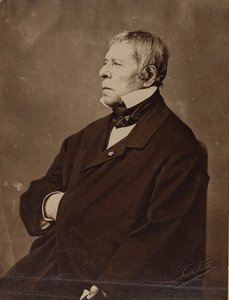
Jean-Auguste-Dominique Ingres
1780 - 1867 , France
Quick Facts
- Artistic Movement Or Style: Neoclassicism
- Artists Or Movements Influenced By This Artist:
- Henri Matisse
- Pablo Picasso
- Artists Who Influenced This Artist:
- Raphael
- Nicolas Poussin
- Jacques-Louis David
- Date Of Birth: August 29, 1780
- Date Of Death: January 14, 1867
- Full Name: Jean-Auguste-Dominique Ingres
- Nationality: French
- Notable Artworks:
- The Ambassadors of Agamemnon
- The Vow of Louis XIII
- Portrait of Monsieur Bertin
- The Turkish Bath
- Place Of Birth: Montauban, France

