

 Preview
 Send
Send Share
Share
 Details

 Download
 Similars
 X-Ray
X-Ray Diaporama
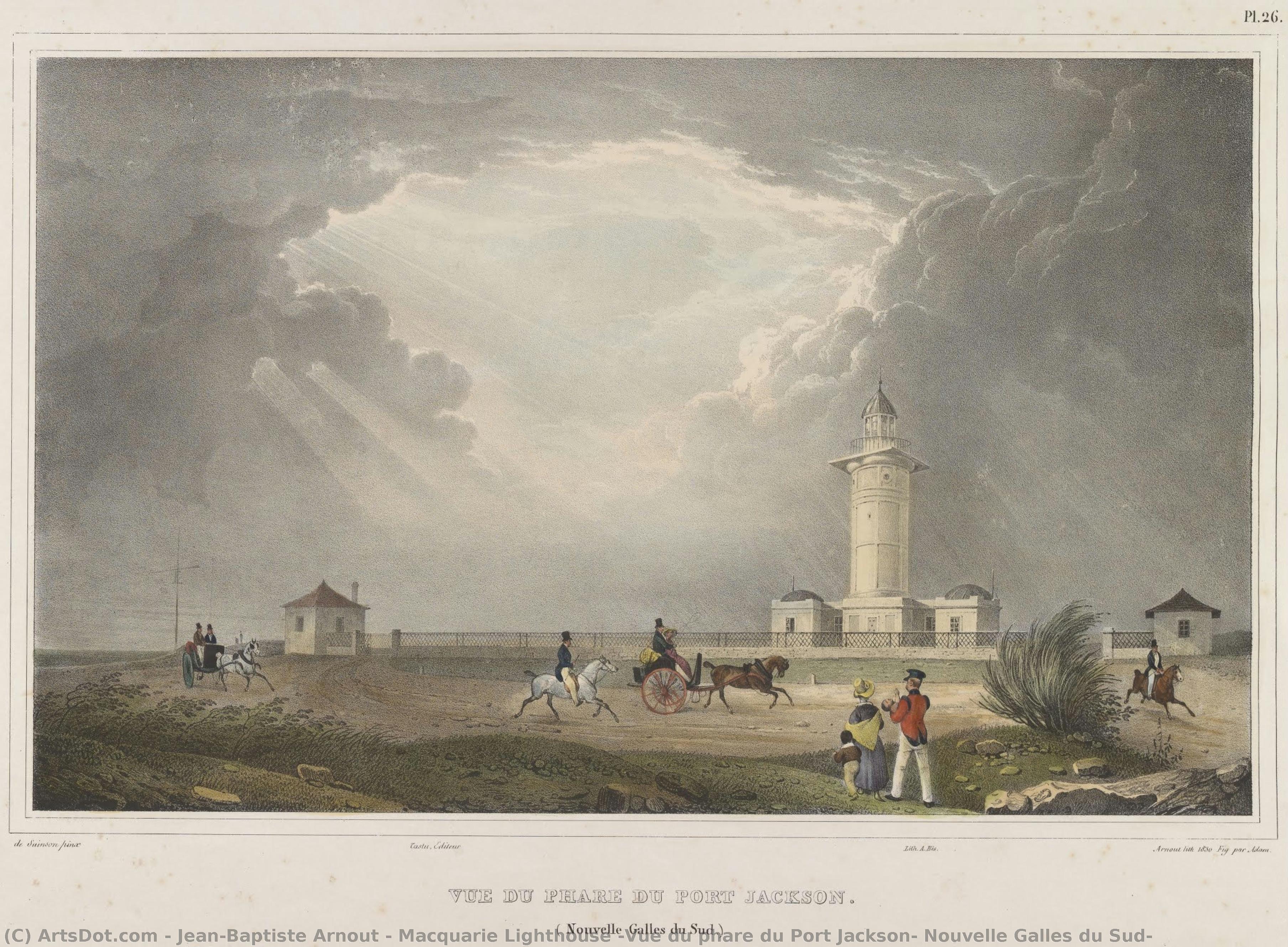
Macquarie Lighthouse (Vue du phare du Port Jackson, Nouvelle Galles du Sud)

 Read More
Purchase a high-resolution, enhanced digital image, far superior to the online preview.
Each file is meticulously prepared by our in-house specialists using advanced tools and expert manual retouching. We ensure every image has exceptional clarity, precise color accuracy, and fine detail.
The final file is delivered via email within 72 hours, optimized for immediate use in professional, editorial, and print environments. This is the same quality trusted by top-tier design studios, publishers, and galleries.
Digital Image
Download a high-resolution file for personal display, printing, and creative projects. ( Buy Print Buy Hand Made Painting)
Included in Every Digital Image Order
Expert Digital Delivery, Guaranteed
When you choose ArtsDot.com, you're not just getting an image - you're receiving a professionally enhanced digital artwork, crafted with precision and backed by a satisfaction guarantee. Here's everything that comes with your order, automatically:

Fast Email Delivery
Your high-resolution digital image file will be emailed to you within 72 hours of ordering - ready for immediate use.

AI-Enhanced Digital File
Your artwork is professionally optimized using advanced AI tools and manual editing, ensuring maximum detail, clarity, and color accuracy.

Free Lifetime Re-Delivery
Accidentally deleted or lost your file? No worries - we'll resend it to you anytime, free of charge.

No Import Fees - Ever
Enjoy your artwork instantly with zero customs, duties, or delivery fees - digital downloads are always tax-free.

Color Accuracy Guarantee
We ensure your digital image reflects the original colors as closely as possible using professional tools and color management.

60-Day Satisfaction Guarantee
If you're not satisfied with your digital image, we'll revise it or refund 100% within 60 days - no questions asked.

100% Money-Back Guarantee
Not satisfied? Get a full refund within 60 days of receiving your digital file - no questions asked.

Bulk Order Discounts
Buy 3 images, save 10% - Buy 5, save 15% - Buy 10+, save 20%. Great for creative projects, galleries, and agencies.
Collectible Description
Related Artworks






Artist Biography
A Chronicler of French Transformation: The Life and Art of Jean-Baptiste Arnout
Jean-Baptiste Arnout, born in Dijon in 1788, lived through a period of immense upheaval and change in France – the waning years of the Ancien Régime, the Revolution, the Napoleonic era, and the subsequent Restoration. This tumultuous backdrop profoundly shaped not only his life but also his artistic vision. While perhaps not a household name like some of his contemporaries, Arnout occupies a significant place as a meticulous documentarian of French society and architecture during this pivotal time. He wasn’t necessarily an innovator pushing boundaries of style; rather, he was a skilled draughtsman, painter, and lithographer who captured the essence of a nation rebuilding itself, preserving its heritage while embracing modernity. His early training under Anatole Devosge at the École des Beaux-Arts de Dijon laid a solid foundation in classical techniques, but Arnout’s career would extend far beyond traditional academic boundaries. He later became director of the same school in 1811, demonstrating an early aptitude for both artistic creation and education.From Landscapes to Lithography: The Breadth of Arnout's Oeuvre
Arnout’s artistic output was remarkably diverse. Initially focused on landscapes – scenes imbued with a romantic sensibility that reflected the growing appreciation for nature in the 19th century – he quickly expanded his repertoire to include detailed architectural drawings. These weren’t simply renderings of buildings; they were precise records, often commissioned to document structures before alteration or demolition. This aspect of his work provides invaluable insight into the urban fabric of France during a period of rapid development. However, it was through lithography that Arnout truly found a means to disseminate his art widely and engage with a broader audience. The advent of this new printing technique allowed for the reproduction of images with unprecedented accuracy and affordability. He skillfully employed lithography not only to create standalone prints but also as illustrations for numerous prestigious publications.A Witness to History: Arnout's Published Works
Arnout’s contributions to illustrated books are arguably his most enduring legacy. He collaborated on several significant projects that aimed to capture the cultural and historical richness of France. His work appeared in Galerie de la duchesse de Berry, a collection showcasing portraits of prominent figures, and La France gothique, an ambitious attempt to document the nation’s Gothic architecture. He also contributed to regional surveys like Les antiquités de l’Alsace and comprehensive studies of French cathedrals, Les Cathédrales françaises. Perhaps most poignantly, Arnout created lithographs depicting the funeral ceremonies for Napoleon Bonaparte in 1840, including a powerful image of the catafalque and chapelle ardente erected within the Église des Invalides. These works weren’t merely artistic representations; they were acts of remembrance, capturing a moment of national mourning and reflecting on the legacy of a complex historical figure. His “Vue du chemin de fer de Paris à St Germain” is also notable as an early depiction of the burgeoning railway system, symbolizing France's embrace of industrial progress.Influences and Artistic Style
While Arnout didn’t adhere to a single, rigid artistic style, his work reveals influences from several key movements. The romantic landscapes demonstrate a clear debt to artists like Hubert Robert, known for his picturesque ruins and evocative depictions of nature. His architectural drawings reflect the precision and detail favored by Neoclassical draughtsmen, while his lithographs showcase a sensitivity to light and shadow reminiscent of Dutch masters. However, Arnout’s unique contribution lies in his ability to synthesize these influences into a distinctly French aesthetic – one that valued accuracy, clarity, and a deep appreciation for national heritage. He wasn't driven by grand artistic theories or radical experimentation; instead, he focused on mastering technique and capturing the world around him with meticulous detail.Historical Significance and Lasting Impact
Jean-Baptiste Arnout’s significance lies not in revolutionizing art but in his role as a chronicler of French transformation. His landscapes, architectural drawings, and lithographs provide invaluable visual documentation of a nation undergoing profound change. His work offers a glimpse into the urban landscape, the monuments, and the social customs of 19th-century France. The widespread dissemination of his images through publications ensured that his art reached a broad audience, contributing to a growing sense of national identity and cultural awareness. Today, Arnout’s works are held in prestigious collections such as the National Gallery of Art and the British Museum, serving as a testament to his enduring legacy as a skilled artist and a meticulous observer of French life.
jean-baptiste arnout
1788 - 1873 , France
Quick Facts
- Artistic Movement Or Style: Landscape, Lithography
- Artists Who Influenced This Artist: ['Anatole Devosge']
- Date Of Birth: 1788
- Date Of Death: 1873
- Full Name: Jean-Baptiste Arnout
- Nationality: French
- Notable Artworks:
- Vue du chemin de fer...
- Catafalque et chapelle...
- Place Of Birth: Dijon, France

