 Preview
 Send
Send Share
Share
 Details

 Download
 Similars
 X-Ray
X-Ray Diaporama
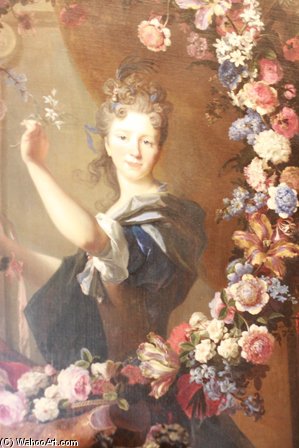
Nicholas De Largilliere
 Read More
Hand Made Oil Reproduction
Hand-painted oil on canvas in your size and frame, made to order by our artists. ( Buy Print Buy Image)




































Pick from our preset sizes that match the artwork's original proportions.

You may enter your own dimensions to fit a specific frame or space. If your selected size does not match the original image's proportions, we will either crop the artwork or extend the painting with additional hand-painted elements. A digital mockup will be sent for your approval before production begins.
Please note that the on-screen preview does not reflect the actual cropping or extension. Only the mockup will accurately show the final composition.
While custom sizes are available, we recommend selecting a dimension from the predefined list to preserve the original proportions.
After order, ArtsDot.com team will email client for instructions and provide a mockup preview
Worldwide Delivery () in 3/4 weeks instead of standard 5 weeks. (21 August). No compromise on quality.

Free Worldwide Express Shipping

High-Quality Linen Canvas

Full Shipping Insurance

Customs Tax Refund Guarantee

True Color Matching Guarantee

60-Day Return Policy (Defects Only)

100% Money-Back Guarantee

Bulk Discount Offer
 Glass option is only available in size under 110 CM

Nicholas De Largilliere
Reproduction Medium
Reproduction Size
-


Total Price
$ 263
Related Artworks








Artist Biography
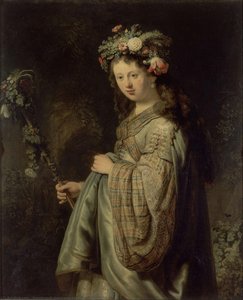
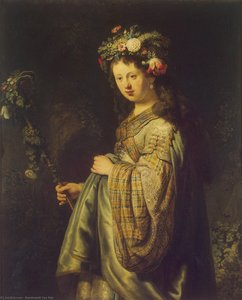
Rembrandt Harmenszoon van Rijn: A Master of Light and Shadow
Rembrandt Harmenszoon van Rijn, born in Leiden, Netherlands, on July 15, 1606, stands as one of the towering figures in Western art history. His life spanned a tumultuous period of religious and political upheaval, yet he consistently produced works of profound emotional depth and technical brilliance. Initially apprenticed to Jacob Morewijt, a local painter, Rembrandt’s early career was marked by financial instability and a struggle to establish his artistic identity. He honed his skills in Leiden before relocating to Amsterdam around 1631, a city brimming with wealth and opportunity – and, crucially, a burgeoning art market. It was here that he truly blossomed, becoming the most celebrated painter of his era, renowned for his dramatic use of light and shadow, psychological insight, and masterful rendering of human emotion. His life ended in 1699, leaving behind an unparalleled legacy of over 600 paintings, etchings, and drawings.Early Influences and a Flemish Foundation
Rembrandt’s artistic journey began with a solid grounding in the traditions of the Netherlands. He initially studied at Leiden University but quickly realized that his passion lay not in academic pursuits, but in capturing the essence of human experience through art. His early training under Morewijt provided him with foundational skills, but it was his subsequent travels to Germany and Italy that profoundly shaped his artistic vision. The Italian Renaissance, particularly the works of Caravaggio – famed for his dramatic chiaroscuro (the strong contrast between light and dark) – exerted a powerful influence on Rembrandt’s style. He also admired the work of Peter Paul Rubens, whose vibrant colors and dynamic compositions provided a counterpoint to the more restrained palette of the Dutch Masters. Marcus Gheeraerts the Younger, a Flemish artist working at the Tudor court in England, served as an early mentor, introducing Rembrandt to the intricacies of portraiture and providing him with valuable technical knowledge. The influence of Gheeraerts is particularly evident in Rembrandt’s early portraits, characterized by their elegant formality and meticulous attention to detail.The English Court and a Shift in Style
Rembrandt's arrival in England around 1636 marked a significant turning point in his career. Invited by Charles de La Fosse, a court painter, he was commissioned to paint portraits of prominent figures, including Queen Henrietta Maria and her son, Prince Rupert. This period saw a shift in Rembrandt’s style – a move towards greater intimacy and psychological realism. He began to experiment with looser brushstrokes and more expressive lighting, capturing the inner lives of his subjects rather than simply presenting outward appearances. The “Ditchley” portrait of Elizabeth I, now housed in the National Portrait Gallery in London, exemplifies this new approach, revealing not just the Queen’s regal bearing but also a subtle sense of vulnerability and wisdom. His work during this time was heavily influenced by the artistic trends circulating through Europe at the time, including the influence of Charles de La Fosse, who had studied with Peter Paul Rubens and was himself interested in Rembrandt's style.The Golden Age of Amsterdam and Dramatic Innovation
Rembrandt’s career truly ascended to new heights during his years in Amsterdam. He established a studio that employed numerous assistants, allowing him to focus on the most demanding aspects of his work – composition, color, and psychological insight. He became increasingly known for his large-scale history paintings, such as *The Night Watch* (1642), a monumental masterpiece that revolutionized the genre with its dynamic composition, dramatic lighting, and realistic portrayal of a civic militia company. This painting, along with works like *The Return of the Prodigal Son*, demonstrated Rembrandt’s mastery of light and shadow, creating an atmosphere of intense emotion and spiritual depth. His innovative use of color – often employing broken colors that “trick the eye” – further distinguished his work from that of his contemporaries. The "Quarrel of the Colourists," a debate within the Dutch art world concerning the relative merits of drawing versus colour, highlighted Rembrandt’s radical approach to painting.Legacy and Enduring Influence
Rembrandt's impact on the history of art is immeasurable. He not only elevated the status of portraiture but also profoundly influenced subsequent generations of painters. His exploration of light and shadow, his psychological insight, and his willingness to experiment with form and technique set a new standard for artistic expression. His etchings, particularly his self-portraits, offer unparalleled glimpses into the artist’s own life and struggles. Rembrandt's work continues to resonate deeply with audiences today, captivating viewers with its emotional power, technical brilliance, and timeless beauty. He remains one of the most beloved and studied artists in Western art history, a testament to the enduring legacy of his genius. His influence can be seen in the works of countless artists who followed, solidifying his place as a true master of light, shadow, and the human spirit.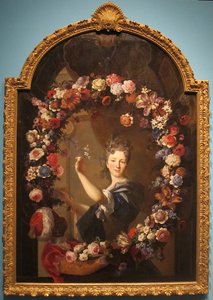
jean baptiste belin de fontenay
1636 - 1699 , France
Quick Facts
- Artistic Movement Or Style: Tudor portraiture
- Artists Or Movements Influenced By This Artist:
- Anthony van Dyck
- Caravaggio
- Artists Who Influenced This Artist:
- Marcus Gheeraerts the Elder
- Hans Eworth
- Date Of Birth: 1561/1562
- Date Of Death: 1635/1636
- Full Name: Marcus Gheeraerts the Younger
- Nationality: Flemish
- Notable Artworks:
- Ditchley Portrait
- Elizabeth I
- Place Of Birth: Bruges, Belgium