

 Preview
 Send
Send Share
Share
 Details

 Download
 Similars
 X-Ray
X-Ray Diaporama
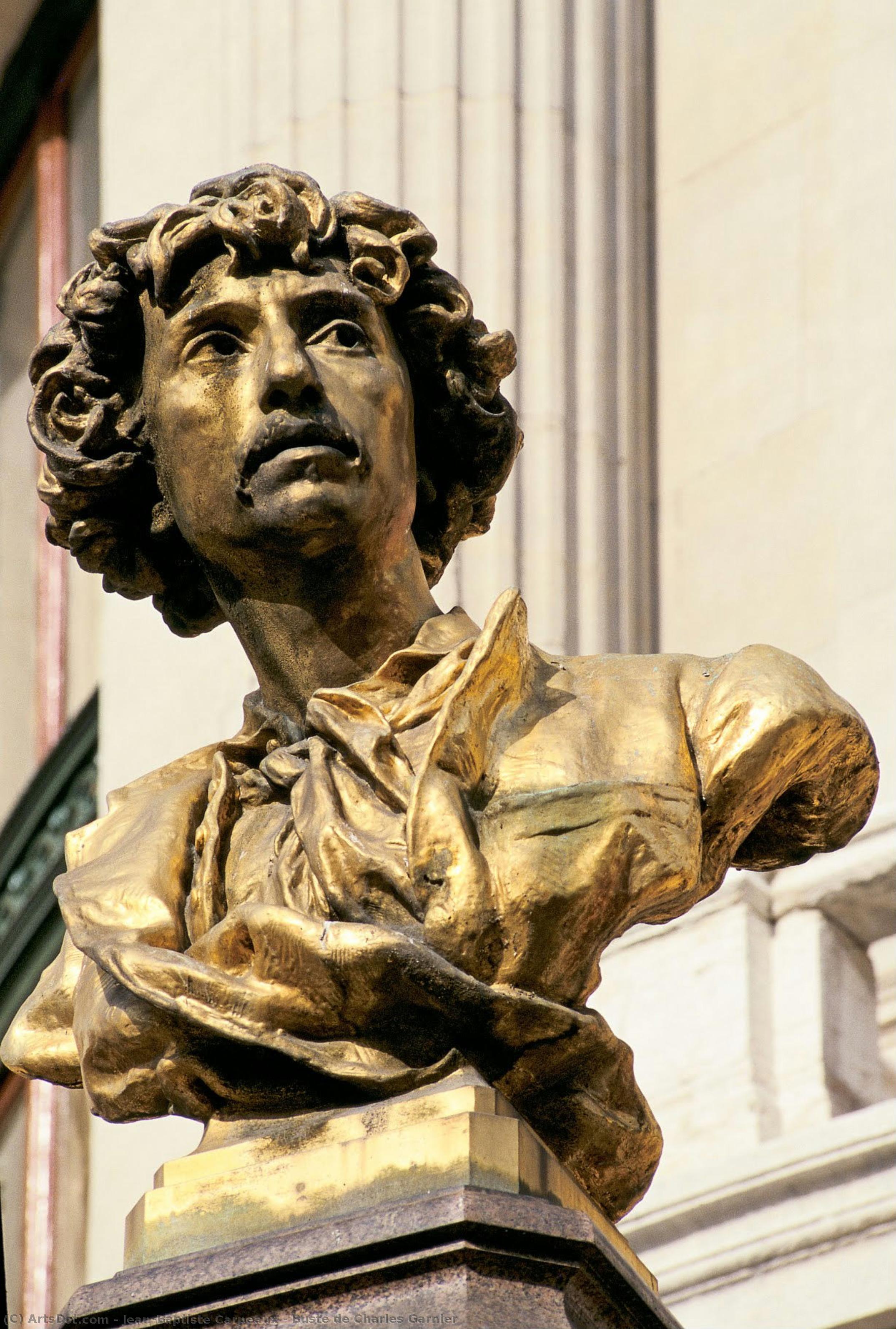
Buste de Charles Garnier


 Read More
Purchase a high-resolution, enhanced digital image, far superior to the online preview.
Each file is meticulously prepared by our in-house specialists using advanced tools and expert manual retouching. We ensure every image has exceptional clarity, precise color accuracy, and fine detail.
The final file is delivered via email within 72 hours, optimized for immediate use in professional, editorial, and print environments. This is the same quality trusted by top-tier design studios, publishers, and galleries.
Digital Image
Download a high-resolution file for personal display, printing, and creative projects. ( Buy Print Buy Hand Made Painting)
Included in Every Digital Image Order
Expert Digital Delivery, Guaranteed
When you choose ArtsDot.com, you're not just getting an image - you're receiving a professionally enhanced digital artwork, crafted with precision and backed by a satisfaction guarantee. Here's everything that comes with your order, automatically:

Fast Email Delivery
Your high-resolution digital image file will be emailed to you within 72 hours of ordering - ready for immediate use.

AI-Enhanced Digital File
Your artwork is professionally optimized using advanced AI tools and manual editing, ensuring maximum detail, clarity, and color accuracy.

Free Lifetime Re-Delivery
Accidentally deleted or lost your file? No worries - we'll resend it to you anytime, free of charge.

No Import Fees - Ever
Enjoy your artwork instantly with zero customs, duties, or delivery fees - digital downloads are always tax-free.

Color Accuracy Guarantee
We ensure your digital image reflects the original colors as closely as possible using professional tools and color management.

60-Day Satisfaction Guarantee
If you're not satisfied with your digital image, we'll revise it or refund 100% within 60 days - no questions asked.

100% Money-Back Guarantee
Not satisfied? Get a full refund within 60 days of receiving your digital file - no questions asked.

Bulk Order Discounts
Buy 3 images, save 10% - Buy 5, save 15% - Buy 10+, save 20%. Great for creative projects, galleries, and agencies.
Collectible Description
A Sculptor's Embrace of Classical Idealism: Jean-Baptiste Carpeaux’s Buste de Charles Garnier
The Musée d’Orsay houses a remarkable testament to artistic ambition and technical prowess – Jean-Baptiste Carpeaux’s bronze bust sculpture of Charles Garnier, the architect of Paris’s opulent Opera Garnier. More than just a portrait, this piece embodies the spirit of Romanticism's lingering fascination with classical forms and ideals, skillfully executed by one of France’s most celebrated sculptors. Examining its intricate details reveals not only Carpeaux’s mastery but also a profound engagement with artistic heritage and emotional expression.Historical Context: The Echoes of Antiquity
Carpeaux’s creation emerged from the fertile intellectual landscape of mid-19th century France, where artists wrestled with reconciling Romantic fervor—characterized by dramatic emotion and individualism—with the enduring influence of Greco-Roman sculpture. Garnier himself was a figure of considerable renown, representing the pinnacle of architectural achievement during his era. Carpeaux’s decision to depict Garnier in bronze – a material favored for monumental sculptures – underscored this commitment to classical tradition while simultaneously elevating the bust's visual impact. The Opera Garnier project itself served as a catalyst for artistic innovation and debate, mirroring the broader cultural currents shaping French society at the time.Style & Technique: Dynamism Captured in Bronze
Carpeaux’s distinctive style is immediately recognizable by its palpable dynamism—a characteristic he honed under François Rude's tutelage on the Arc de Triomphe. Unlike the smoother surfaces of Neoclassical sculpture, Carpeaux employed a technique that prioritized textural richness and expressive gesture. The sculptor meticulously modeled the bronze surface, capturing subtle nuances of musculature and drapery folds with astonishing precision. This painstaking process resulted in a bust that pulsates with life—a testament to Carpeaux’s dedication to anatomical accuracy and his ability to convey emotion through sculptural form. The use of polished bronze further accentuated the sculpture's luminosity, enhancing its visual allure and emphasizing the tactile qualities of the material itself.Symbolism & Emotional Resonance: A Portrait Beyond Appearance
Beyond mere likeness, Carpeaux’s bust transcends superficial representation, conveying a complex tapestry of symbolic meaning. The melancholic expression etched upon Garnier’s face speaks to the burdens of artistic responsibility—the pressures inherent in realizing ambitious architectural visions. Similarly, the voluminous curls of Garnier's hair embody grandeur and nobility, reflecting his stature as a cultural icon. Crucially, Carpeaux’s masterful manipulation of light and shadow contributes significantly to the sculpture’s emotional impact, creating an atmosphere of contemplative solemnity. The overall composition invites viewers to engage in a dialogue with the figure—to contemplate not only his physical appearance but also his inner life and artistic legacy.Further Exploration: Insights from Contemporary Sources
Detailed research into Carpeaux's oeuvre reveals connections to influential artists like Jean-Baptiste Verchère de Reyffye, whose innovative engineering designs mirrored Carpeaux’s pursuit of technical excellence. Examining the Musée d’Orsay’s online resources—particularly the accompanying biographical information and scholarly essays—provides invaluable context for appreciating the significance of Garnier's bust within the broader artistic panorama of its time. The meticulous documentation available underscores the enduring fascination with Carpeaux’s work and confirms his position as a pivotal figure in shaping French sculpture during the Romantic era.- Explore Jean-Baptiste Verchère de Reyffye’s groundbreaking contributions to military technology.
- Discover the influence of Corot & Daubigny on Jean-Baptiste Liénard's artistic vision.
Related Artworks
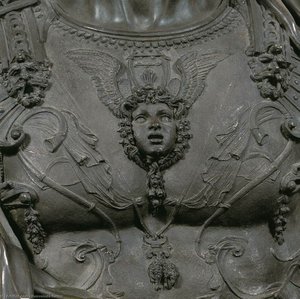
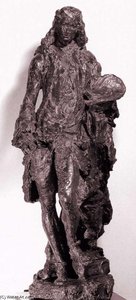
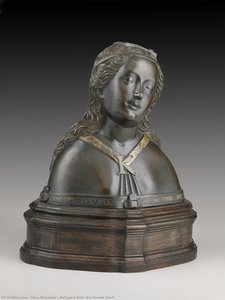
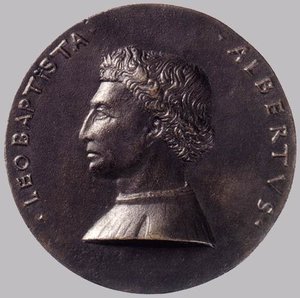
Artist Biography
A Life Sculpted in Passion: The World of Jean-Baptiste Carpeaux
Jean-Baptiste Carpeaux, a name synonymous with dynamism and emotional depth in 19th-century French sculpture, emerged from humble beginnings to become one of the most celebrated artists of his time. Born in Valenciennes in 1827, the son of a mason, Carpeaux’s early life was steeped in the physicality of craftsmanship – an influence that would profoundly shape his artistic sensibility. This grounding in tangible creation fostered a deep understanding of materials and form, setting the stage for a career defined by its tactile realism and expressive power. His initial training under François Rude, famed for his dramatic reliefs on the Arc de Triomphe, provided a solid foundation in classical technique, but it was at the École des Beaux-Arts that Carpeaux truly began to hone his unique vision. The academic rigor of the school, combined with his innate talent, propelled him towards winning the prestigious Prix de Rome in 1854 – a pivotal moment that would send him on a transformative journey to Italy.Roman Reveries and the Birth of a New Style
The years Carpeaux spent in Rome were crucial in his artistic development. Immersed in the masterpieces of Michelangelo, Donatello, and Verrocchio, he absorbed their mastery of anatomy, composition, and emotional intensity. However, rather than simply imitating these Renaissance giants, Carpeaux began to forge his own path, rejecting the rigid formality that characterized much of Neoclassical sculpture. He sought a more fluid, spontaneous approach, one that captured the energy and vitality of life itself. This shift was evident in works like *Pêcheur napolitain à la coquille* (Neapolitan Fisherboy), created during this period. The sculpture, depicting a young boy with a shell, is remarkable for its naturalism and sense of movement – qualities that would become hallmarks of Carpeaux’s style. It wasn't merely a representation of a figure; it was an embodiment of youthful exuberance and carefree joy. This work garnered significant attention upon its exhibition in Paris, establishing Carpeaux as a rising star and securing commissions from Empress Eugénie herself.Triumph and Turmoil: The Second Empire Years
Carpeaux’s talent flourished during the Second Empire under Napoleon III, an era characterized by artistic innovation and grand public projects. He became a favorite of the imperial court, receiving numerous commissions for portraits and monumental sculptures. His work on the façade of the Opéra Garnier in Paris, *La Danse*, remains one of his most iconic achievements. This high-relief sculpture is a breathtaking display of dynamic movement and graceful forms, depicting figures caught in a swirling vortex of energy. However, this masterpiece was not without controversy; its overt sensuality sparked outrage among some conservative critics who deemed it indecent. Despite the criticism, *La Danse* cemented Carpeaux’s reputation as a bold and innovative artist, unafraid to push boundaries and challenge conventions. Other significant works from this period include *Ugolino and His Sons*, a harrowing depiction of Dante's tragic tale of starvation and despair, showcasing his ability to convey profound emotional depth through sculpted form.A Legacy Forged in Movement and Emotion
Despite facing financial difficulties and health challenges in later life, Carpeaux continued to create until his untimely death in 1875. His influence on subsequent generations of sculptors is undeniable. He broke away from the constraints of academic tradition, embracing a more naturalistic and expressive style that paved the way for artists like Auguste Rodin. Rodin, often considered the father of modern sculpture, acknowledged Carpeaux as a key precursor, recognizing his pioneering efforts in capturing movement and emotion in three dimensions. Carpeaux’s emphasis on realism, combined with his ability to infuse his works with psychological depth, resonated deeply with artists seeking to move beyond mere imitation and explore the complexities of the human experience. His students – including Jules Dalou, Jean-Louis Forain, and Olin Levi Warner – carried forward his legacy, further expanding the boundaries of sculptural expression. Today, Carpeaux’s sculptures are displayed in prominent museums around the world, serving as a testament to his enduring artistic vision and his profound impact on the history of sculpture. His work continues to captivate audiences with its raw emotion, dynamic energy, and timeless beauty.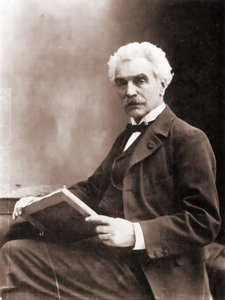
Jean-Baptiste Carpeaux
1827 - 1875 , France
Quick Facts
- Artistic Movement Or Style: Naturalism, Realism
- Artists Or Movements Influenced By This Artist: ['Auguste Rodin']
- Artists Who Influenced This Artist:
- Michelangelo
- Donatello
- Verrocchio
- François Rude
- Date Of Birth: 1827
- Date Of Death: 1875
- Full Name: Jean-Baptiste Carpeaux
- Nationality: French
- Notable Artworks:
- Ugolino and his Sons
- Neapolitan Fisherboy
- La Danse
- The negress
- Place Of Birth: Valenciennes, France

