

 Send
Send Share
Share
 Details

 Download
 Similars
 Diaporama
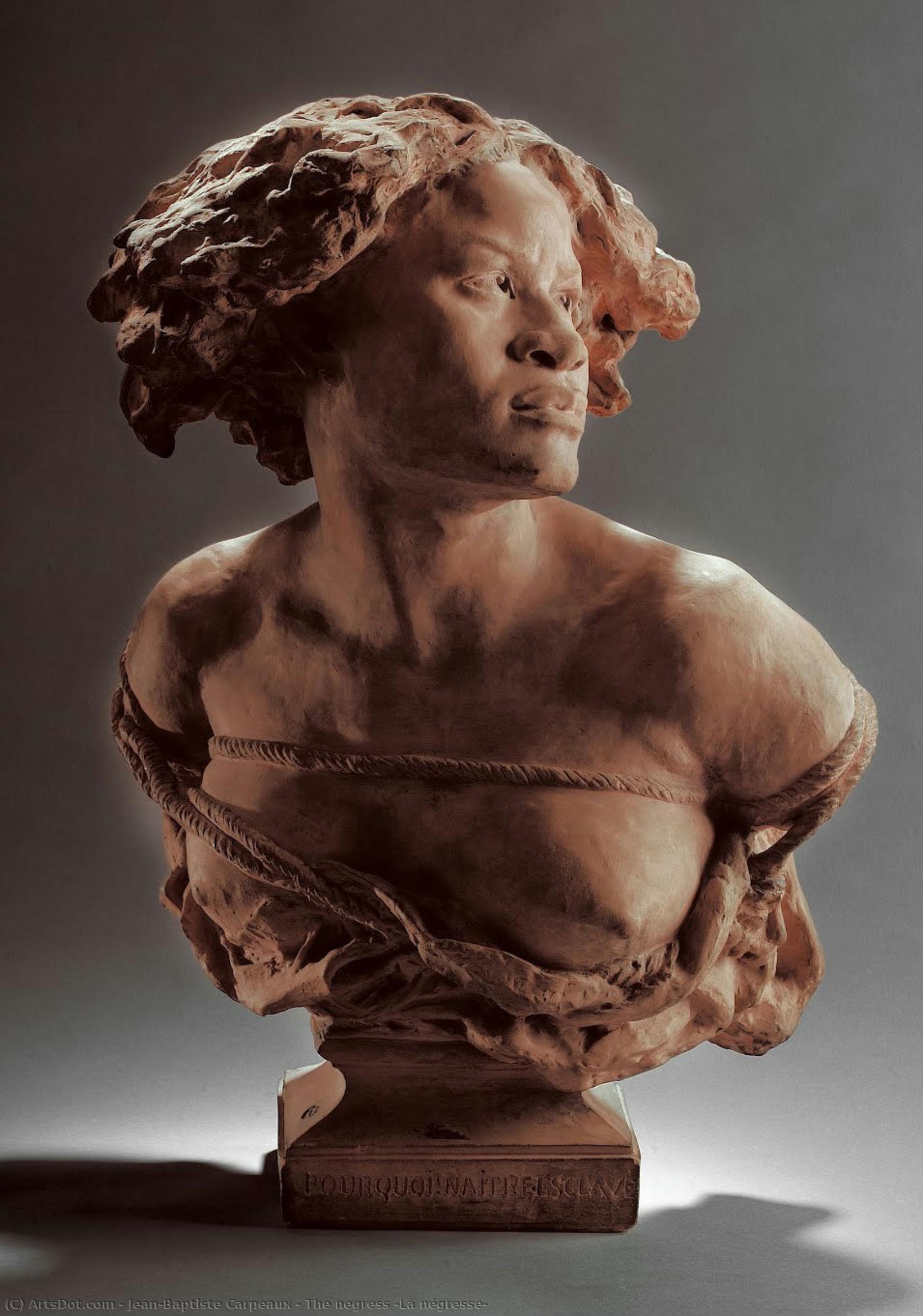
The negress (La négresse)


 Read More
Purchase a high-resolution, enhanced digital image, far superior to the online preview.
Each file is meticulously prepared by our in-house specialists using advanced tools and expert manual retouching. We ensure every image has exceptional clarity, precise color accuracy, and fine detail.
The final file is delivered via email within 72 hours, optimized for immediate use in professional, editorial, and print environments. This is the same quality trusted by top-tier design studios, publishers, and galleries.
Digital Image
Download a high-resolution file for personal display, printing, and creative projects. ( Buy Print Buy Hand Made Painting)
Included in Every Digital Image Order
Expert Digital Delivery, Guaranteed
When you choose ArtsDot.com, you're not just getting an image - you're receiving a professionally enhanced digital artwork, crafted with precision and backed by a satisfaction guarantee. Here's everything that comes with your order, automatically:

Fast Email Delivery
Your high-resolution digital image file will be emailed to you within 72 hours of ordering - ready for immediate use.

AI-Enhanced Digital File
Your artwork is professionally optimized using advanced AI tools and manual editing, ensuring maximum detail, clarity, and color accuracy.

Free Lifetime Re-Delivery
Accidentally deleted or lost your file? No worries - we'll resend it to you anytime, free of charge.

No Import Fees - Ever
Enjoy your artwork instantly with zero customs, duties, or delivery fees - digital downloads are always tax-free.

Color Accuracy Guarantee
We ensure your digital image reflects the original colors as closely as possible using professional tools and color management.

60-Day Satisfaction Guarantee
If you're not satisfied with your digital image, we'll revise it or refund 100% within 60 days - no questions asked.

100% Money-Back Guarantee
Not satisfied? Get a full refund within 60 days of receiving your digital file - no questions asked.

Bulk Order Discounts
Buy 3 images, save 10% - Buy 5, save 15% - Buy 10+, save 20%. Great for creative projects, galleries, and agencies.
Collectible Description
A Portrait of Melancholy: Jean-Baptiste Carpeaux’s “La Négresse”
Jean-Baptiste Carpeaux's "La Négresse," completed in 1868, is not merely a sculpture; it’s a poignant and complex meditation on beauty, race, and the enduring legacy of colonialism. This arresting bronze bust, currently residing within the collection of the Metropolitan Museum of Art, immediately commands attention with its strikingly realistic depiction of an unidentified Black woman. Carpeaux, a master sculptor deeply influenced by both classical tradition and the burgeoning spirit of Romanticism, crafted this piece during a period of intense social and political upheaval in France – a time grappling with the complexities of abolition and the lingering effects of slavery.
The sculpture’s genesis lies within Carpeaux's ambitious project for the “Fontaine de l’Observatoire,” a monumental fountain intended to adorn Paris’s Avenue de l’Observatoire. This fountain, designed as an allegory of the four continents, featured a series of female figures representing Asia, Europe, America, and Africa. "La Négresse" was conceived as one of these figures, embodying the African continent. However, its placement within this broader context reveals a subtle tension – a recognition that simply depicting a Black woman does not automatically dismantle the structures of racial representation. The sculpture’s initial presentation, alongside the other continental figures, served to reinforce existing stereotypes and perpetuate a colonial gaze.
A Study in Realism and Baroque Influence
Carpeaux's technical skill is immediately evident in "La Négresse." The bronze itself possesses a remarkable tactile quality – a dense, almost velvety surface that captures the subtle nuances of light and shadow. The modeling is incredibly detailed, from the delicate curve of her lips to the intricate folds of her hair. This meticulous realism is deeply rooted in Carpeaux’s training at the École des Beaux-Arts, where he honed his ability to render human anatomy with astonishing accuracy. Yet, this technical mastery is interwoven with a distinctly Baroque sensibility – a dramatic use of light and shadow, an emphasis on emotional expression, and a dynamic sense of movement captured within a static form.
The pose itself is crucial. “La Négresse” isn’t presented in a serene or idealized manner. Instead, she holds her head slightly tilted, her gaze directed downwards with a quiet intensity. Her hands are loosely bound, creating an ambiguity that invites interpretation – are they symbols of restraint, or perhaps a subtle assertion of agency? The sculptor masterfully conveys a sense of melancholy and introspection, suggesting a profound inner life beneath the surface.
Symbolism and Historical Context
The sculpture’s significance extends far beyond its aesthetic qualities. "La Négresse" was created in 1868, just two decades after France officially abolished slavery in its colonies. However, the legacy of slavery continued to permeate French society, shaping attitudes and reinforcing racial hierarchies. Carpeaux's work, therefore, must be understood within this complex historical context. The inscription “Pourquoi Naître Enslaved!” (“Why Born a Slave?”) etched onto the base further underscores the sculpture’s critical engagement with the institution of slavery and its devastating impact on individuals and communities.
Interestingly, Carpeaux's decision to depict an unidentified woman adds another layer of complexity. The lack of specific details forces viewers to confront their own preconceptions about race and identity. Is she a representation of all Black women? Or does her anonymity serve as a reminder that the experience of slavery was profoundly diverse and individual? The sculpture’s ambiguity compels us to consider the ways in which representations can both perpetuate and challenge dominant narratives.
A Timeless Reflection on Beauty, Identity, and Colonial Legacy
"La Négresse" remains a powerfully resonant work of art. It is a testament to Carpeaux's artistic genius, but also a stark reminder of the enduring legacy of colonialism and racial injustice. The sculpture’s quiet intensity, coupled with its technical brilliance, invites viewers to contemplate profound questions about beauty, identity, and the responsibility of artists to engage critically with the social and political realities of their time. Reproductions of this piece offer an opportunity to bring this important work into homes and spaces, prompting ongoing dialogue and reflection on a complex and vital chapter in art history.
Related Artworks



Artist Biography
A Life Sculpted in Passion: The World of Jean-Baptiste Carpeaux
Jean-Baptiste Carpeaux, a name synonymous with dynamism and emotional depth in 19th-century French sculpture, emerged from humble beginnings to become one of the most celebrated artists of his time. Born in Valenciennes in 1827, the son of a mason, Carpeaux’s early life was steeped in the physicality of craftsmanship – an influence that would profoundly shape his artistic sensibility. This grounding in tangible creation fostered a deep understanding of materials and form, setting the stage for a career defined by its tactile realism and expressive power. His initial training under François Rude, famed for his dramatic reliefs on the Arc de Triomphe, provided a solid foundation in classical technique, but it was at the École des Beaux-Arts that Carpeaux truly began to hone his unique vision. The academic rigor of the school, combined with his innate talent, propelled him towards winning the prestigious Prix de Rome in 1854 – a pivotal moment that would send him on a transformative journey to Italy.Roman Reveries and the Birth of a New Style
The years Carpeaux spent in Rome were crucial in his artistic development. Immersed in the masterpieces of Michelangelo, Donatello, and Verrocchio, he absorbed their mastery of anatomy, composition, and emotional intensity. However, rather than simply imitating these Renaissance giants, Carpeaux began to forge his own path, rejecting the rigid formality that characterized much of Neoclassical sculpture. He sought a more fluid, spontaneous approach, one that captured the energy and vitality of life itself. This shift was evident in works like *Pêcheur napolitain à la coquille* (Neapolitan Fisherboy), created during this period. The sculpture, depicting a young boy with a shell, is remarkable for its naturalism and sense of movement – qualities that would become hallmarks of Carpeaux’s style. It wasn't merely a representation of a figure; it was an embodiment of youthful exuberance and carefree joy. This work garnered significant attention upon its exhibition in Paris, establishing Carpeaux as a rising star and securing commissions from Empress Eugénie herself.Triumph and Turmoil: The Second Empire Years
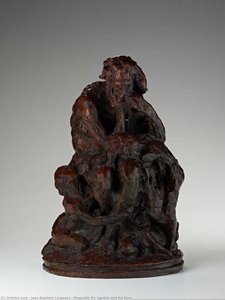
Carpeaux’s talent flourished during the Second Empire under Napoleon III, an era characterized by artistic innovation and grand public projects. He became a favorite of the imperial court, receiving numerous commissions for portraits and monumental sculptures. His work on the façade of the Opéra Garnier in Paris, *La Danse*, remains one of his most iconic achievements. This high-relief sculpture is a breathtaking display of dynamic movement and graceful forms, depicting figures caught in a swirling vortex of energy. However, this masterpiece was not without controversy; its overt sensuality sparked outrage among some conservative critics who deemed it indecent. Despite the criticism, *La Danse* cemented Carpeaux’s reputation as a bold and innovative artist, unafraid to push boundaries and challenge conventions. Other significant works from this period include *Ugolino and His Sons*, a harrowing depiction of Dante's tragic tale of starvation and despair, showcasing his ability to convey profound emotional depth through sculpted form.A Legacy Forged in Movement and Emotion
Despite facing financial difficulties and health challenges in later life, Carpeaux continued to create until his untimely death in 1875. His influence on subsequent generations of sculptors is undeniable. He broke away from the constraints of academic tradition, embracing a more naturalistic and expressive style that paved the way for artists like Auguste Rodin. Rodin, often considered the father of modern sculpture, acknowledged Carpeaux as a key precursor, recognizing his pioneering efforts in capturing movement and emotion in three dimensions. Carpeaux’s emphasis on realism, combined with his ability to infuse his works with psychological depth, resonated deeply with artists seeking to move beyond mere imitation and explore the complexities of the human experience. His students – including Jules Dalou, Jean-Louis Forain, and Olin Levi Warner – carried forward his legacy, further expanding the boundaries of sculptural expression. Today, Carpeaux’s sculptures are displayed in prominent museums around the world, serving as a testament to his enduring artistic vision and his profound impact on the history of sculpture. His work continues to captivate audiences with its raw emotion, dynamic energy, and timeless beauty.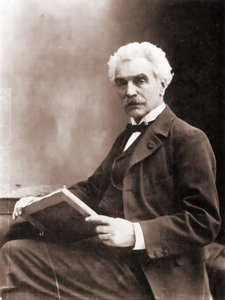
Jean-Baptiste Carpeaux
1827 - 1875 , France
Quick Facts
- Artistic Movement Or Style: Naturalism, Realism
- Artists Or Movements Influenced By This Artist: ['Auguste Rodin']
- Artists Who Influenced This Artist:
- Michelangelo
- Donatello
- Verrocchio
- François Rude
- Date Of Birth: 1827
- Date Of Death: 1875
- Full Name: Jean-Baptiste Carpeaux
- Nationality: French
- Notable Artworks:
- Ugolino and his Sons
- Neapolitan Fisherboy
- La Danse
- The negress
- Place Of Birth: Valenciennes, France

