 Preview
 Send
Send Share
Share
 Details

 Download
 Similars
 X-Ray
X-Ray Diaporama
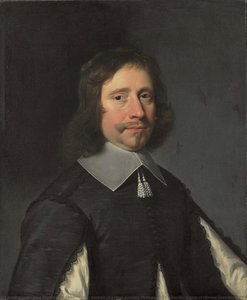
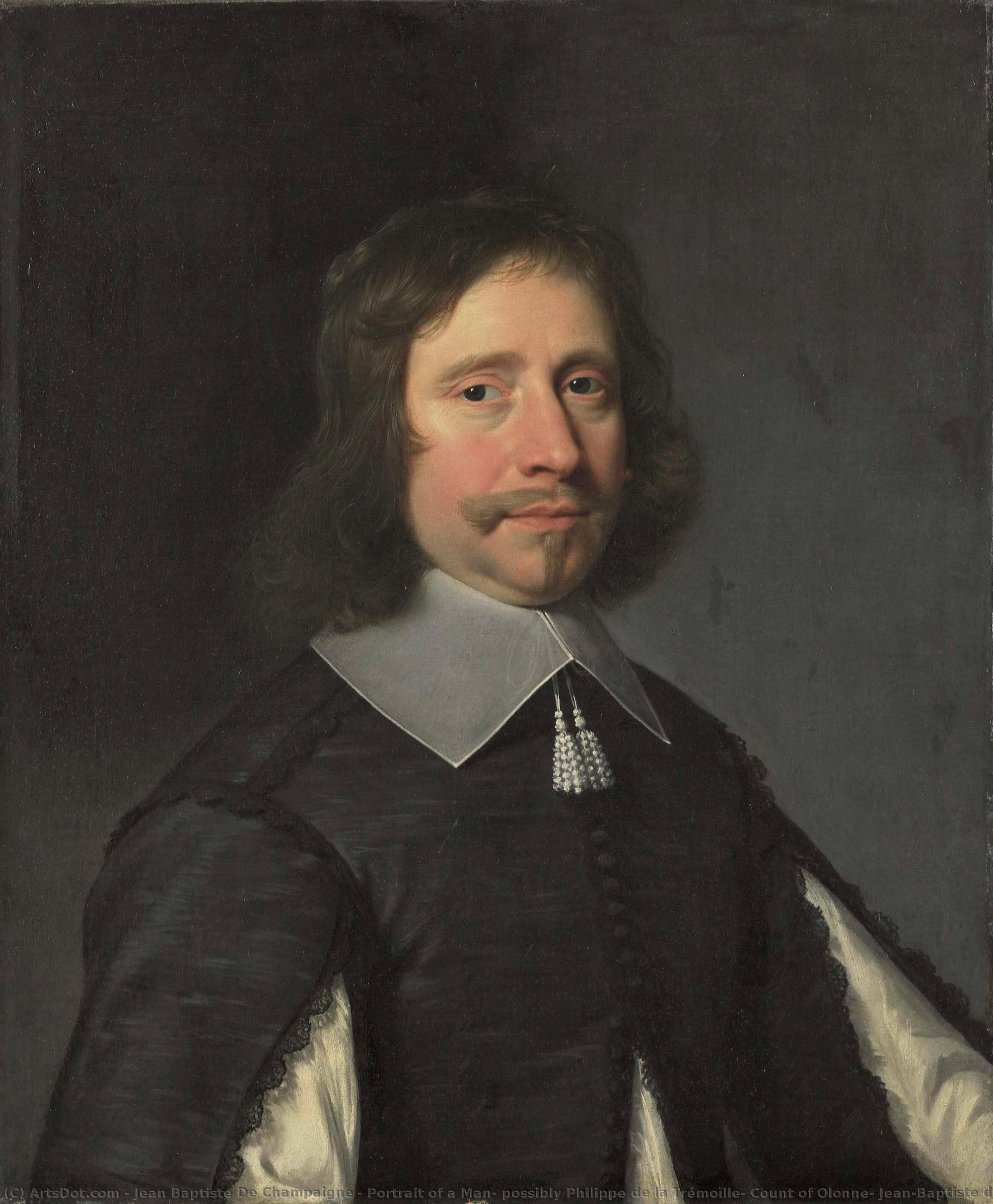
Portrait of a Man, possibly Philippe de la Trémoïlle, Count of Olonne, Jean-Baptiste de Champaigne (attributed to), 1641 - 1681
 1681
1681 66.0 x 55.0 cm
 Read More
Giclée / Art Print
Museum-quality giclée or canvas print with fast production and flexible finish options. ( Buy Hand Made Painting Buy Image)




































Pick from our preset sizes that match the artwork's original proportions.

You may enter your own dimensions to fit a specific frame or space. If your selected size does not match the original image's proportions, we will either crop the artwork or extend the image with a mirrored or solid-fill edge. A digital mockup will be sent for your approval before production begins.
Please note that the on-screen preview does not reflect the actual cropping or extension. Only the mockup will accurately show the final composition.
While custom sizes are available, we recommend selecting a dimension from the predefined list to preserve the original proportions.
Worldwide Delivery () in 2 weeks instead of standard 4/5 weeks. (3 September)

Free Worldwide Express Shipping

High-Quality Linen Canvas

Full Shipping Insurance

Customs Tax Refund Guarantee

True Color Matching Guarantee

60-Day Return Policy (Defects Only)

100% Money-Back Guarantee

Bulk Discount Offer
 Glass option is only available in size under 110 CM

Portrait of a Man, possibly Philippe de la Trémoïlle, Count of Olonne, Jean-Baptiste de Champaigne (attributed to), 1641 - 1681
Giclée / Art Print
Reproduction Size
-


Total Price
$ 63
Related Artworks








Artist Biography
Jean Baptiste de Champaigne (1631 – 1681): Bridging Flanders and Paris
Jean Baptiste de Champaigne stands as a pivotal figure in the artistic landscape of the seventeenth century, embodying the fervent spirit of Baroque painting while simultaneously navigating the intellectual currents flowing from Antwerp to Paris. Born in Brussels in 1631, he emerged from a lineage steeped in artistic tradition – his uncle, Philippe de Champaigne, established himself as a celebrated painter in Paris and profoundly influenced Jean Baptiste’s formative years. This connection cemented Champaigne's trajectory toward Parisian artistic excellence, shaping not only his technique but also his worldview.- Early Life & Training: Jean Baptiste received his initial artistic education under Philippe’s tutelage, absorbing the stylistic innovations of Mannerism and embracing the dramatic grandeur characteristic of the Baroque movement.
- The Florentine Influence: Recognizing the importance of mastering classical ideals, Champaigne undertook a transformative journey to Italy in 1658, dedicating himself to meticulously copying masterpieces by Raphael and Titian – experiences that instilled within him an unwavering commitment to anatomical accuracy and compositional balance.
Religious Artistry: Martyrdom of St Lawrence & Beyond
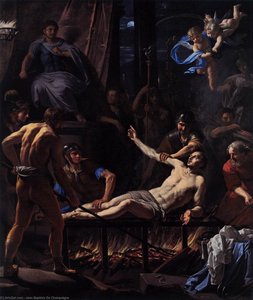
Champaigne’s artistic output is predominantly defined by his devotion to religious iconography, reflecting the prevailing piety of his era. His depiction of “The Martyrdom of St Lawrence,” housed in the Musée Magnin in Dijon, exemplifies his masterful command of chiaroscuro – dramatic contrasts between light and dark – skillfully conveying both physical suffering and spiritual transcendence. The painting’s meticulous detail and emotive portrayal underscore Champaigne's ability to infuse biblical narratives with palpable human emotion.- Technical Skill: Champaigne’s technique showcased a profound understanding of pigment mixing, brushwork, and perspective, hallmarks of Flemish Baroque painting.
- Symbolism & Emotion: His compositions frequently employed symbolic gestures and visual metaphors to communicate theological concepts, demonstrating his sensitivity to the spiritual dimension of art.
Academic Recognition & Parisian Legacy
Returning from Italy, Champaigne secured a prestigious position at the Académie Royale de peinture et de sculpture in Paris in 1671 – an institution that served as a crucible for artistic innovation and intellectual debate. Remarkably, he survived longer than Philippe’s own children, fostering a familial bond akin to mentorship and ensuring his son’s upbringing mirrored Champaigne's own privileged artistic education. This nurturing environment undoubtedly contributed to Jean Baptiste’s enduring contribution to French Baroque painting.- Teaching Role: As a teacher, Champaigne instilled in his pupils the principles of observation, disegno (drawing), and expressive color – shaping the artistic sensibilities of future generations.
- Influence on Parisian Art Scene: His presence at the Académie solidified Champaigne’s reputation as a leading artist and educator, bolstering Paris's position as Europe’s foremost center for artistic excellence.
Notable Works & Artistic Style
Beyond “The Martyrdom of St Lawrence,” Champaigne produced several portraits – notably “Portrait of a Man, possibly Philippe de la Trémoïlle, Count of Olonne” – demonstrating his ability to capture the psychological complexity and aristocratic grandeur of his subjects. His style blended Flemish realism with Italian Mannerist elegance, resulting in paintings characterized by refined facture, luminous color palettes, and an unwavering commitment to anatomical precision. Jean Baptiste de Champaigne’s legacy continues to inspire artists today, securing his place as a cornerstone of Baroque art history.Further Exploration
For deeper insights into Jean Baptiste de Champaigne's artistic journey and contributions, consult the resources available at Wikipedia and The National Gallery of Art.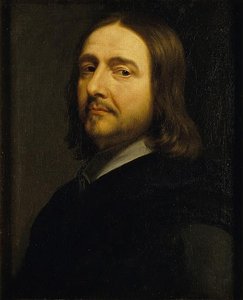
Jean Baptiste de Champaigne
1631 - 1681 , Belgium
Quick Facts
- Artistic Movement Or Style: Baroque
- Artists Or Movements Influenced By This Artist: Raphael, Titian
- Artists Who Influenced This Artist: Philippe de Champaigne
- Date Of Birth: Brussels, Belgium (1631)
- Date Of Death: Paris (1681)
- Full Name: Jean Baptiste de Champaigne
- Nationality: Flemish
- Notable Artworks: ['The Martyrdom of St Lawrence']
- Place Of Birth: Brussels