 Preview
 Send
Send Share
Share
 Details

 Download
 Similars
 X-Ray
X-Ray Diaporama
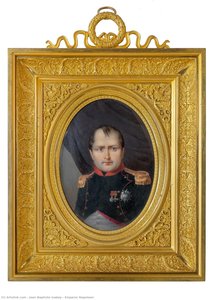
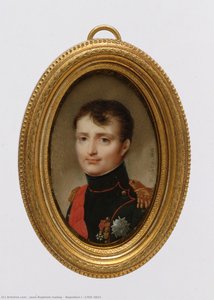
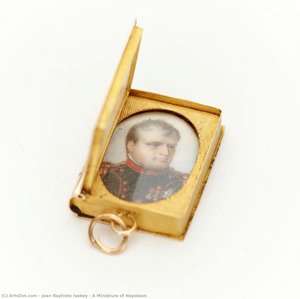
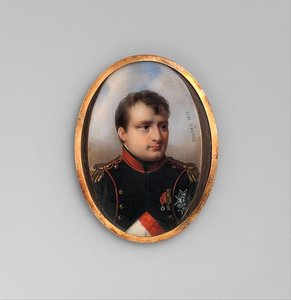
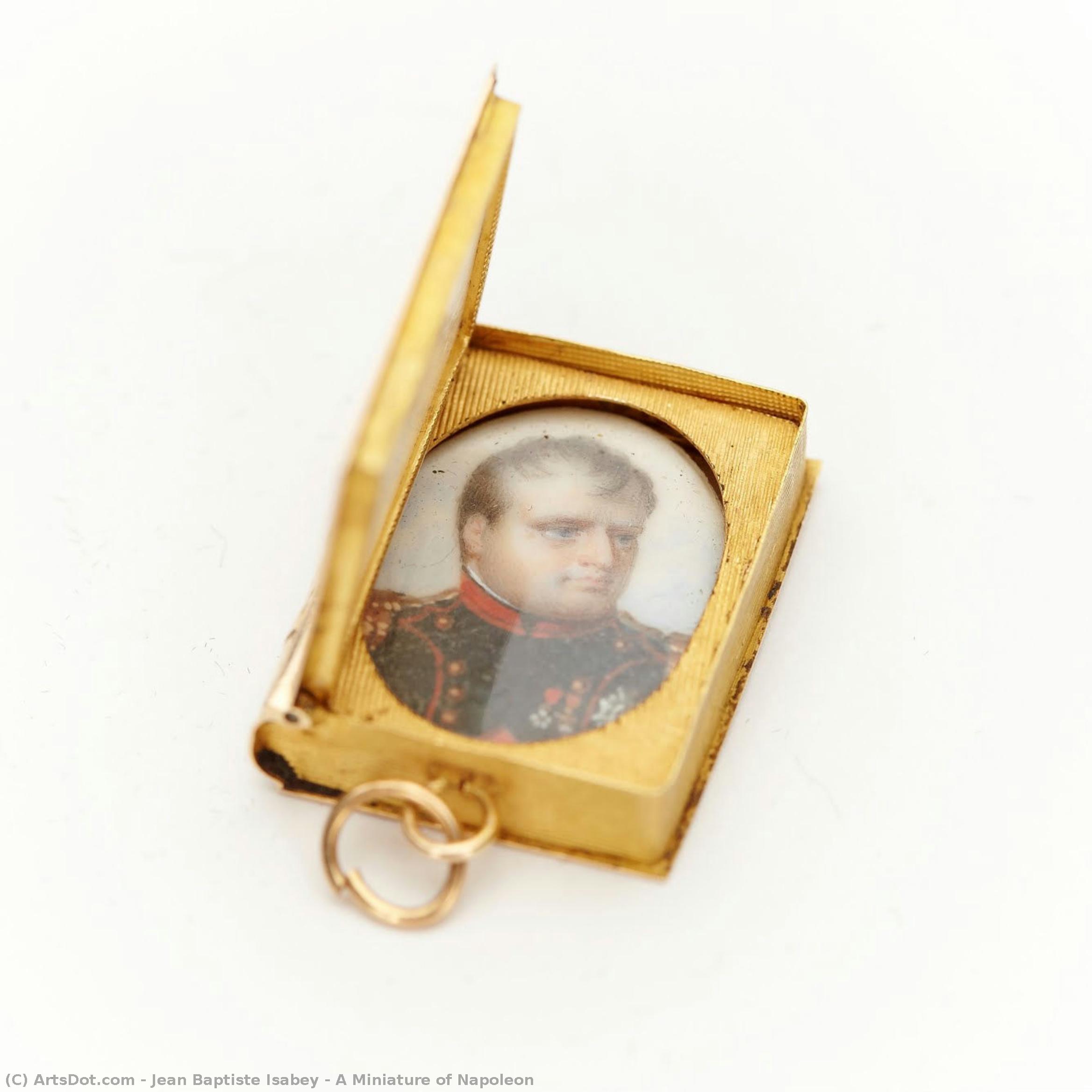
A Miniature of Napoleon


 Read More
Hand Made Oil Reproduction
Hand-painted oil on canvas in your size and frame, made to order by our artists. ( Buy Print Buy Image)




P118B $10

P118H $10

P118W $10

P438Z $10

P508JH $12

P508YH $12

P805H $10

P805Z $10

P919BZ $10

P919G $10

P919XJ $10

P959ZH $10

P968JZ $12

W106C $8

W218G $10

W218JH $8

W218Y $10

W307PJ $10

W316G $10

W316PJ $8

W316Y $10

W398PJ $8

W4111J $10

W500HY $15

W500JH $15

W692G $12

W849H $8

W940BG $15

W953PJ $8




Pick from our preset sizes that match the artwork's original proportions.

You may enter your own dimensions to fit a specific frame or space. If your selected size does not match the original image's proportions, we will either crop the artwork or extend the painting with additional hand-painted elements. A digital mockup will be sent for your approval before production begins.
Please note that the on-screen preview does not reflect the actual cropping or extension. Only the mockup will accurately show the final composition.
While custom sizes are available, we recommend selecting a dimension from the predefined list to preserve the original proportions.
After order, ArtsDot.com team will email client for instructions and provide a mockup preview
Worldwide Delivery () in 3/4 weeks instead of standard 5 weeks. (17 August). No compromise on quality.

Free Worldwide Express Shipping

High-Quality Linen Canvas

Full Shipping Insurance

Customs Tax Refund Guarantee

True Color Matching Guarantee

60-Day Return Policy (Defects Only)

100% Money-Back Guarantee

Bulk Discount Offer
 Glass option is only available in size under 110 CM

A Miniature of Napoleon
Reproduction Medium
Reproduction Size
-


Total Price
$ 263
Artwork Description
A Glimpse into Napoleonic Grandeur
This exquisite miniature portrait, dating from 1811, offers an intimate yet commanding glimpse into the era of Napoleon Bonaparte. Framed within what appears to be richly aged gold, the artwork captures a moment of intense focus. The subject, depicted in a military uniform, gazes directly out, establishing an immediate and powerful connection with the viewer. It is more than just a likeness; it is a carefully preserved artifact of ambition, power, and the dramatic sweep of early nineteenth-century European history.
The Artistry of Jean-Baptiste Isabey
The skill evident in this piece points to the masterful hand of Jean-Baptiste Isabey. While the biography provided for another artist mentions John Glover, the provenance links this work directly to Isabey, a painter whose technical prowess allowed him to capture likenesses with remarkable fidelity. The technique employed in miniatures demands an almost unbelievable level of detail—the subtle sheen on the uniform, the precise rendering of facial features, and the delicate handling of skin tones all speak to years of dedicated practice. Owning or displaying a reproduction of this piece allows one to appreciate the painstaking labor involved in such miniature portraiture.
Historical Echoes and Symbolism
To view this portrait is to step back into an age defined by revolutionary fervor and imperial ambition. Napoleon himself remains one of history's most polarizing figures, and his image, captured here, carries that weight of historical significance. The uniform itself functions as a potent symbol—it speaks not only of rank but of the military structure and political upheaval that characterized the period. For the collector or designer, this piece introduces an element of dramatic, storied history into any space, suggesting tales of grand campaigns and decisive moments.
Integrating History into Modern Decor
For those seeking decorative art that transcends mere ornamentation, this miniature offers profound depth. Its antique framing suggests a lineage of luxury, while the portrait itself provides a focal point steeped in narrative tension. Whether placed on a mantelpiece, displayed in an entryway hall, or curated within a gallery setting, its rich tones and commanding subject matter lend an air of cultivated gravitas. A high-quality reproduction allows one to bring this piece of historical drama into contemporary life, serving as both a work of art and a conversation starter.
Related Artworks
Artist Biography
John Glover: The Painter of English Light
Born in Houghton-on-the-Hill, Leicestershire, in 1767, John Glover’s life and career unfolded across two distinct landscapes – the bustling urbanity of London and the burgeoning pastoral beauty of Van Diemen's Land (later Tasmania). Initially trained as a drawing master, Glover’s artistic trajectory shifted dramatically when he began producing landscape paintings, quickly establishing himself as a leading figure in British art. His work, often characterized by a delicate balance between classical influence and a distinctly English sensibility, earned him the enduring title “the English Claude,” a testament to his masterful imitation of the celebrated French painter Claude Lorrain while simultaneously forging a unique artistic identity.
Glover’s early career in London was marked by membership in prestigious art societies like the Old Water Colour Society and the Royal Academy. He exhibited extensively, gaining recognition for his meticulously rendered scenes of the English countryside – rolling hills, serene lakes, and charming villages bathed in a soft, atmospheric light. His paintings weren't merely depictions of scenery; they were carefully constructed narratives, imbued with subtle symbolism and an acute awareness of the changing seasons. Glover’s compositions frequently featured classical ruins or architectural elements, subtly referencing the traditions of Italianate landscape painting – a style he deeply admired and skillfully adopted.
- Early Influences: Glover's artistic development was profoundly shaped by his exposure to the works of Claude Lorrain, whose atmospheric landscapes and emphasis on light and color served as a primary model. He also drew inspiration from other classical painters like Nicolas Poussin and Andrea Pozzo, incorporating elements of their compositional techniques into his own work.
- The “English Claude” Title: This moniker arose from the striking similarity between Glover’s landscapes and those of Claude Lorrain, particularly in their use of light, color, and atmospheric perspective. However, Glover's paintings possessed a distinctly English character, reflecting the unique beauty and temperament of his homeland.
- Technique & Style: Glover was renowned for his delicate brushwork, meticulous attention to detail, and ability to capture the subtle nuances of light and shadow. His landscapes were characterized by a sense of tranquility and serenity, often evoking feelings of nostalgia and longing.
Migration and Pastoral Art
A pivotal moment in Glover’s life occurred in 1805 when he relocated to Van Diemen's Land (now Tasmania), then a rapidly developing colony. This move marked a significant shift in his artistic focus, as he transitioned from painting primarily urban scenes to depicting the rugged beauty of the Australian wilderness. During this period, Glover became deeply involved in the colonial landscape, capturing the essence of the region’s unique flora and fauna – eucalyptus forests, rolling hills, and vast plains.
His pastoral paintings during this time are particularly noteworthy for their realistic portrayal of Aboriginal life and landscapes. He depicted native Australians engaged in traditional activities such as hunting, fishing, and corrobory (ceremonial gatherings), offering a valuable glimpse into the lives of the colony’s indigenous population. Glover's work served not only as a record of this era but also as a subtle commentary on the changing relationship between European settlers and the native inhabitants of Australia.
- Aboriginal Subjects: Glover’s depictions of Aboriginal people were remarkably sensitive for their time, portraying them with dignity and respect. He often included details that reflected their traditional way of life, showcasing his genuine interest in understanding and documenting their culture.
- Landscape Transformation: The transition to Tasmanian landscapes brought about a change in Glover's palette and technique. His paintings became characterized by bolder colors and more dramatic compositions, reflecting the ruggedness and grandeur of the Australian wilderness.
Key Works & Notable Paintings
Several of Glover’s paintings stand out as particularly significant examples of his artistic achievements. “Mount Wellington and Hobart Town from Kangaroo Point” (1831-33), a panoramic view of Tasmania's capital city, is considered one of his finest works, showcasing his mastery of perspective and atmospheric effects. “Natives on the Ouse River, Van Diemen’s Land” (1838) offers a poignant depiction of Aboriginal life in the colony, while “A View of the Artist’s House and Garden, in Mill’s Plains, Van Diemen’s Land” (1835) provides a charming glimpse into his personal life. His work also includes numerous depictions of English landscapes, such as "The Falls of Foyers" on Loch Ness, which further cemented his reputation as “the English Claude.”
Notable Paintings:**- Mount Wellington and Hobart Town from Kangaroo Point (1831-33)
- Natives on the Ouse River, Van Diemen’s Land (1838)
- A View of the Artist's House and Garden, in Mill’s Plains, Van Diemen’s Land (1835)
- The Falls of Foyers (c. 1827)
Legacy & Historical Significance
John Glover’s legacy as “the father of Australian landscape painting” is firmly established. His pioneering work in capturing the beauty and spirit of both English and Australian landscapes profoundly influenced subsequent generations of artists. His meticulous attention to detail, atmospheric effects, and subtle symbolism set a new standard for landscape painting in Britain and Australia. Glover's paintings continue to be admired for their aesthetic qualities and historical significance, offering valuable insights into the lives and cultures of his time.
Beyond his artistic achievements, Glover’s life story is one of adaptation and reinvention. His willingness to embrace new challenges and explore unfamiliar landscapes speaks to his resilience and adaptability – qualities that contributed significantly to his enduring success as an artist. He died in 1849 at the age of 82, leaving behind a rich artistic legacy that continues to inspire and captivate audiences today.
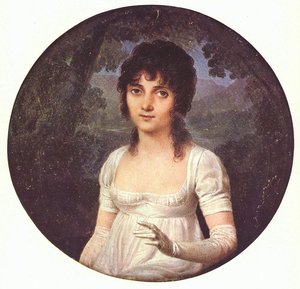
jean-baptiste isabey
1767 - 1855 , France
Quick Facts
- Artistic Movement Or Style: Claudean landscape
- Artists Or Movements Influenced By This Artist: ['Impressionists']
- Artists Who Influenced This Artist: ['Claude Lorrain']
- Date Of Birth: 18 February 1767
- Date Of Death: 9 December 1849
- Full Name: John Glover
- Nationality: British
- Notable Artworks:
- Mount Wellington...
- Natives on Ouse...
- A view of his house
- Place Of Birth: Houghton-on-the-Hill, Leicestershire
Related Articles

Framing Perception: A Comprehensive Guide to Selecting Frames that Enhance Interior Styles and Artwork Value
Elevate your space with expert art framing guidance! Discover how to choose frames that enhance artwork & interior design, protect valuable pieces, and create stunning displays. Trusted advice for designers & collectors.

The Frame as Argument: An Expert Guide to Selecting the Perfect Frame for Your Art
Master the art of presentation with our expert guide on choosing the perfect frame. Learn how to enhance your artwork's value, complement your interior design, and ensure long-term preservation through professional framing techniques for collectors and enthusiasts alike.

Enhancing Art with Framing: A Guide to Selection & Aesthetic Integration
Elevate your artwork with expert framing advice. This guide covers styles, materials, preservation techniques & client consultation for stunning results. Enhance value & protect your investment.

Beyond Ornamentation: The Psychological Impact of Framing on Aesthetic Perception & Artistic Value
Explore the profound psychological impact of framing on art perception & value. Discover how color, composition, and historical context influence aesthetic judgment. Expert insights for collectors.

Beyond the Canvas: Framing as a Catalyst for Value & Aesthetic Impact in Luxury Art Reproduction
Discover how expert framing elevates your art investment & interior design. Explore museum-quality options, bespoke sizing, and preservation techniques for discerning collectors. Enhance value & aesthetic impact with ArtsDot.