

 Preview
 Send
Send Share
Share
 Details

 Download
 Similars
 X-Ray
X-Ray Diaporama
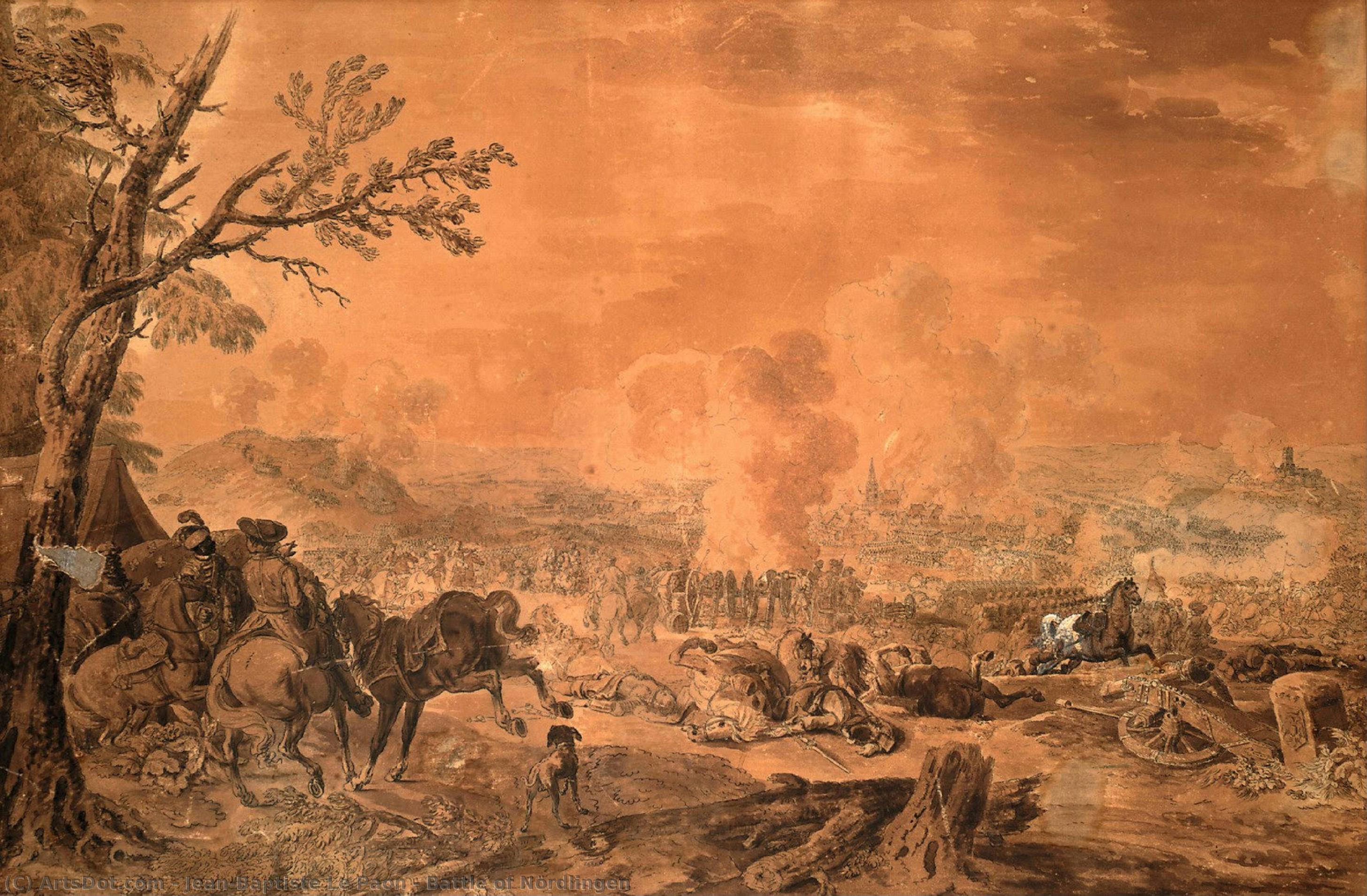
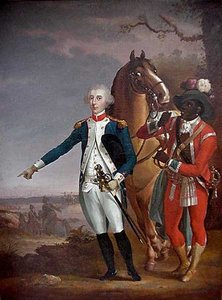
Battle of Nördlingen
 1768
1768 75.0 x 50.0 cm
 Read More
Purchase a high-resolution, enhanced digital image, far superior to the online preview.
Each file is meticulously prepared by our in-house specialists using advanced tools and expert manual retouching. We ensure every image has exceptional clarity, precise color accuracy, and fine detail.
The final file is delivered via email within 72 hours, optimized for immediate use in professional, editorial, and print environments. This is the same quality trusted by top-tier design studios, publishers, and galleries.
Digital Image
Download a high-resolution file for personal display, printing, and creative projects. ( Buy Print Buy Hand Made Painting)
Included in Every Digital Image Order
Expert Digital Delivery, Guaranteed
When you choose ArtsDot.com, you're not just getting an image - you're receiving a professionally enhanced digital artwork, crafted with precision and backed by a satisfaction guarantee. Here's everything that comes with your order, automatically:

Fast Email Delivery
Your high-resolution digital image file will be emailed to you within 72 hours of ordering - ready for immediate use.

AI-Enhanced Digital File
Your artwork is professionally optimized using advanced AI tools and manual editing, ensuring maximum detail, clarity, and color accuracy.

Free Lifetime Re-Delivery
Accidentally deleted or lost your file? No worries - we'll resend it to you anytime, free of charge.

No Import Fees - Ever
Enjoy your artwork instantly with zero customs, duties, or delivery fees - digital downloads are always tax-free.

Color Accuracy Guarantee
We ensure your digital image reflects the original colors as closely as possible using professional tools and color management.

60-Day Satisfaction Guarantee
If you're not satisfied with your digital image, we'll revise it or refund 100% within 60 days - no questions asked.

100% Money-Back Guarantee
Not satisfied? Get a full refund within 60 days of receiving your digital file - no questions asked.

Bulk Order Discounts
Buy 3 images, save 10% - Buy 5, save 15% - Buy 10+, save 20%. Great for creative projects, galleries, and agencies.
Related Artworks



Artist Biography
Benjamin West: Bridging Worlds, Painting History
Born in Springfield, Pennsylvania, in 1738, Benjamin West’s life was a remarkable confluence of transatlantic experiences and artistic ambition. His early years were steeped in the practicalities of his family's inn – the Square Tavern in Newtown Square – providing him with an understanding of human interaction and observation that would later inform his powerful portrayals of historical figures and dramatic narratives. Unlike many artists of his time who received formal training, West was entirely self-taught, a testament to his innate talent and relentless dedication. This autodidactic approach, coupled with a keen eye for detail and a masterful understanding of composition, quickly propelled him from a local portraitist to an internationally recognized artist.
West’s journey began with a deliberate immersion in the artistic traditions of Italy, a pivotal experience that fundamentally shaped his style. He spent three years meticulously studying the works of masters like Titian, Raphael, and Michelangelo, absorbing their techniques and philosophies. This period wasn't merely about imitation; West actively engaged with the Neoclassical movement burgeoning across Europe, embracing its emphasis on classical ideals, balanced compositions, and a focus on heroic narratives. Upon his return to London in 1763, he immediately established himself as a prominent figure, leveraging his Italian experience and charming personality to secure patronage from influential figures like the Archbishop of York.
- Early Success & The Death of Wolfe: West’s breakthrough came with *The Death of General Wolfe* (1770), a monumental painting depicting the British general's demise during the Battle of Quebec. This work, revolutionary for its depiction of a contemporary event in the style of a classical history painting, captivated audiences and established West as a leading historical painter. The innovative use of modern military uniforms – a deliberate departure from traditional depictions – sparked considerable debate but ultimately cemented West’s reputation for innovation and daring.
- Royal Patronage & Academy Leadership: King George III recognized West's talent and commissioned him as his official history painter, a position that brought him significant prestige and influence. Crucially, West played a pivotal role in the founding of the Royal Academy of Arts in 1768, becoming its second president after Joshua Reynolds. His leadership was instrumental in shaping the Academy’s ethos and establishing it as a cornerstone of British art.
- American Roots & Diverse Subjects: Despite his long career in England, West remained deeply connected to his American origins. He frequently depicted scenes from early American history, such as *Penn’s Treaty With The Indians*, demonstrating a desire to celebrate the nation's founding and its cultural heritage. His artistic output also encompassed religious subjects, exemplified by his monumental *The Preservation of St Paul after a Shipwreck at Malta* (1783), a vast fresco adorning the Chapel of St Peter and St Paul at the Old Royal Naval College in Greenwich.
The Influence of Benjamin West
West’s impact on the course of American painting was profound, largely due to his role as a mentor and patron. He fostered the careers of numerous young artists who traveled to London seeking guidance and exposure, including Charles Willson Peale, Gilbert Stuart, and John Trumbull. These students benefited immensely from West's expertise, access to the Royal Academy, and encouragement to pursue their artistic ambitions. West’s studio became a crucible for talent, shaping not only individual artists but also the broader trajectory of American painting.
Furthermore, West’s embrace of Neoclassicism and his willingness to experiment with new techniques influenced generations of painters. His emphasis on dramatic composition, realistic detail, and emotionally resonant narratives set a standard for historical painting that resonated throughout the 18th and early 19th centuries. His work served as a model for artists seeking to elevate painting beyond mere representation, aiming instead to convey complex ideas and evoke powerful emotions.
Technique and Style
West’s artistic style was characterized by a remarkable blend of technical skill and expressive dynamism. He possessed an exceptional ability to render human anatomy with precision and detail, while simultaneously capturing the energy and drama of his subjects. His compositions were often meticulously balanced, reflecting the principles of classical art, yet infused with a sense of movement and immediacy.
West’s use of color was particularly noteworthy. He favored rich, saturated hues that created a vibrant and engaging visual experience. His brushwork was generally smooth and controlled, but he wasn't afraid to employ visible strokes to emphasize texture and create a sense of surface interest. He skillfully employed light and shadow to sculpt forms and heighten the emotional impact of his scenes.
Legacy and Historical Significance
Benjamin West’s legacy extends far beyond his individual artistic achievements. He was a pivotal figure in the development of both American and British art, bridging the gap between these two cultures through his patronage, mentorship, and innovative approach to painting. His contributions to the founding of the Royal Academy cemented his place as a key architect of the modern art world.
West’s paintings continue to be admired for their historical accuracy, dramatic intensity, and technical brilliance. *The Death of General Wolfe*, in particular, remains one of the most iconic images in British art history, embodying the spirit of heroism and national pride. Benjamin West died in 1820, leaving behind a substantial body of work that continues to inspire and captivate audiences today. His life stands as a testament to the power of talent, dedication, and the transformative potential of artistic exchange.
jean-baptiste le paon
1738 - 1785 , France
Quick Facts
- Artistic Movement Or Style: Neoclassical, History Painting
- Artists Or Movements Influenced By This Artist:
- Copley
- Romanticism
- Artists Who Influenced This Artist:
- Titian
- Raphael
- Mengs
- Date Of Birth: Oct 10, 1738
- Date Of Death: Mar 11, 1820
- Full Name: Benjamin West
- Nationality: American
- Notable Artworks:
- Death of Nelson
- Wolfe's Death
- Paris Treaty
- Place Of Birth: Springfield, PA

