

 Preview
 Send
Send Share
Share
 Details

 Download
 Similars
 X-Ray
X-Ray Diaporama
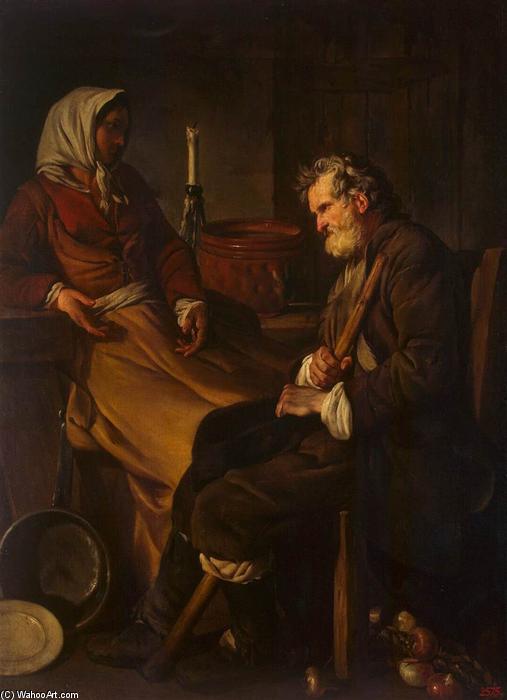
Old Man in the Kitchen
 Oil On Canvas
- WallArt
- Rococo Style
 1745
1745- Early Modern
 130.0 x 97.0 cm
 Hermitage Museum
 Read More
Purchase a high-resolution, enhanced digital image, far superior to the online preview.
Each file is meticulously prepared by our in-house specialists using advanced tools and expert manual retouching. We ensure every image has exceptional clarity, precise color accuracy, and fine detail.
The final file is delivered via email within 72 hours, optimized for immediate use in professional, editorial, and print environments. This is the same quality trusted by top-tier design studios, publishers, and galleries.
Digital Image
Download a high-resolution file for personal display, printing, and creative projects. ( Buy Print Buy Hand Made Painting)
Included in Every Digital Image Order
Expert Digital Delivery, Guaranteed
When you choose ArtsDot.com, you're not just getting an image - you're receiving a professionally enhanced digital artwork, crafted with precision and backed by a satisfaction guarantee. Here's everything that comes with your order, automatically:

Fast Email Delivery
Your high-resolution digital image file will be emailed to you within 72 hours of ordering - ready for immediate use.

AI-Enhanced Digital File
Your artwork is professionally optimized using advanced AI tools and manual editing, ensuring maximum detail, clarity, and color accuracy.

Free Lifetime Re-Delivery
Accidentally deleted or lost your file? No worries - we'll resend it to you anytime, free of charge.

No Import Fees - Ever
Enjoy your artwork instantly with zero customs, duties, or delivery fees - digital downloads are always tax-free.

Color Accuracy Guarantee
We ensure your digital image reflects the original colors as closely as possible using professional tools and color management.

60-Day Satisfaction Guarantee
If you're not satisfied with your digital image, we'll revise it or refund 100% within 60 days - no questions asked.

100% Money-Back Guarantee
Not satisfied? Get a full refund within 60 days of receiving your digital file - no questions asked.

Bulk Order Discounts
Buy 3 images, save 10% - Buy 5, save 15% - Buy 10+, save 20%. Great for creative projects, galleries, and agencies.
Collectible Description
A Snapshot of Rococo Domestic Tranquility: Jean Baptiste Marie Pierre’s “Old Man in the Kitchen”
Jean-Baptiste Marie Pierre's "Old Man in the Kitchen," completed in 1745, stands as a quintessential emblem of the Rococo artistic movement—a celebration of refined elegance and intimate domestic life within the opulent courts of Louis XV’s France. More than just a depiction of everyday activity, this painting embodies the spirit of its time, reflecting philosophical ideals centered on pastoral serenity and idealized beauty.
- Subject Matter: The scene portrays an elderly gentleman seated at a kitchen table alongside his wife. Their postures convey comfort and companionship, emphasizing the importance of familial bonds within the aristocratic sphere.
- Style & Composition: Characteristic of Rococo, Pierre’s work eschews grand scale for a delicately balanced composition. Soft pastel hues dominate the palette—warm browns and creams intertwine with muted reds—creating an atmosphere of diffused light and serene tranquility. The artist skillfully employs asymmetrical arrangements to heighten visual interest while maintaining a harmonious overall aesthetic.
Technique: Executed in oil on canvas, Pierre’s technique demonstrates meticulous attention to detail. Brushstrokes are subtle yet purposeful, capturing the textures of fabric and utensils with remarkable accuracy. The artist skillfully utilizes chiaroscuro—the interplay of light and shadow—to sculpt form and imbue the scene with depth, guiding the viewer's gaze towards the central figures.
- Historical Context: Created during Louis XV’s reign, “Old Man in the Kitchen” reflects the broader Rococo preoccupation with pastoral landscapes and idealized representations of rural life. This artistic trend stemmed from a reaction against the Baroque’s grandeur and formality, prioritizing emotional expression and sensual pleasure over intellectual rigor.
- Symbolism: The inclusion of domestic objects—a wooden spoon, loaf of bread, bowl—serves as symbolic reminders of sustenance and familial care. Furthermore, the woman's headscarf signifies modesty and piety, aligning with prevailing moral sensibilities of the era.
Emotional Impact: Pierre’s masterful rendering captures a moment of quiet intimacy—a glimpse into the private lives of noble families. The painting evokes feelings of warmth, nostalgia, and contentment, transporting viewers back to a bygone era characterized by refined sensibilities and an appreciation for simple pleasures. It is precisely this understated beauty that continues to resonate with audiences today.
- Provenance: Currently housed at The Hermitage Museum in St. Petersburg, Russia (ГЭ-7240), “Old Man in the Kitchen” represents a significant contribution to French Rococo art history.
- Reproductions: ArtsDot offers high-quality reproductions of this artwork, allowing collectors and enthusiasts alike to experience Pierre’s vision firsthand—a testament to enduring artistic excellence.
Related Artworks
Artist Biography
A Life Immersed in Rococo Splendor
Jean-Baptiste Marie Pierre, born in Aix-en-Provence in 1714, emerged as a pivotal figure within the elegant world of French Rococo painting. His artistic journey began with formal training at the prestigious Académie Royale de Peinture et de Sculpture in Paris, where he came under the tutelage of Charles-Joseph Natoire. This foundational education instilled in him a classical sensibility, yet Pierre quickly developed a distinctive style that transcended mere imitation. He wasn’t simply replicating the past; he was infusing it with a uniquely French grace and a burgeoning sense of dramatic narrative. From an early age, his talent shone through, culminating in a career marked by royal patronage and significant artistic contributions. The seeds of his future success were sown not just in technical skill but also in a keen understanding of the aesthetic currents shaping 18th-century France.The Blossoming of a Rococo Master
Pierre’s art is inextricably linked to the Rococo movement, an artistic style characterized by its lightness, elegance, and playful themes. However, he wasn't merely a follower; he was an innovator within this framework. While deeply influenced by Natoire’s emphasis on classical form, Pierre infused his work with a vibrant color palette and a refined sense of composition that set him apart. He drew inspiration not only from contemporary French art but also from the Italian Renaissance masters, evident in his masterful depictions of human anatomy and his ability to convey complex emotions through gesture and expression. This synthesis of influences allowed him to create works that were both technically accomplished and emotionally resonant. His early genre scenes, such as Old Man in a Kitchen, demonstrate a remarkable realism coupled with an intimate understanding of everyday life. As he matured, Pierre increasingly turned towards mythological subjects, transforming classical narratives into visually stunning spectacles.Mythology, Allegory, and Royal Favor
Throughout his career, Jean-Baptiste Marie Pierre created a diverse body of work encompassing mythological scenes, religious paintings, and portraits. The Seasons, an allegorical series celebrating the beauty and bounty of nature, exemplifies his ability to blend classical themes with a distinctly French sensibility. His depictions of mythology – notably Jupiter and Antiope and The Rape of Europa – are characterized by dynamic compositions and a masterful use of color to convey dramatic tension. The Death of Harmonia, a Baroque masterpiece, showcases his skill in portraying intense emotion and opulent detail. These works weren’t created in isolation; they were often commissioned by wealthy patrons, including the French monarchy. In 1770, Pierre reached the pinnacle of his career when he was appointed Premier peintre du roi (First Painter to the King) under Louis XV – a position that solidified his status as one of France’s most important artists and granted him access to the highest echelons of society.A Lasting Legacy in French Art
Jean-Baptiste Marie Pierre's influence extended beyond his own artistic output. He served as a mentor to a generation of aspiring artists, including Étienne-Louis Boullée, Louis-Jacques Durameau, and others, shaping the course of French art for years to come. His work embodies the elegance, refinement, and technical mastery of the Rococo era, even as it foreshadows some of the stylistic shifts that would characterize the subsequent Neoclassical period. Though sometimes overshadowed by more radical movements, Pierre’s legacy remains secure. He died in 1789, a year of immense upheaval in France, leaving behind a body of work that continues to captivate and inspire. His paintings are not merely historical artifacts; they are windows into a world of beauty, grace, and artistic innovation – a testament to the enduring power of Rococo art.Key Works & Artistic Characteristics
- Delicate Brushstroke: Pierre’s technique is characterized by a light and airy touch, creating a sense of movement and fluidity.
- Vibrant Color Palette: He employed a rich and harmonious range of colors, often emphasizing pastel shades to evoke a sense of elegance and refinement.
- Dramatic Composition: His compositions are carefully balanced and dynamic, drawing the viewer’s eye to key elements within the scene.
- Mythological Narratives: A significant portion of his work focuses on classical mythology, reimagined with a distinctly French sensibility.
- Emotional Depth: Pierre was adept at conveying complex emotions through facial expressions and body language, adding psychological depth to his paintings.
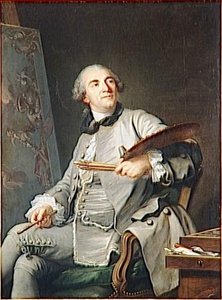
jean baptiste marie pierre
1714 - 1789 , France
Quick Facts
- Artistic Movement Or Style: Rococo
- Artists Or Movements Influenced By This Artist: ['Étienne-Louis Boullée']
- Artists Who Influenced This Artist: ['Charles-Joseph Natoire']
- Date Of Birth: 1714
- Date Of Death: 1789
- Full Name: Jean-Baptiste Marie Pierre
- Nationality: French
- Notable Artworks:
- Old Man in a Kitchen
- The Seasons
- Jupiter and Antiope
- The Rape of Europa
- The Death of Harmonia
- Place Of Birth: Aix-en-Provence, France

