

 Preview
 Send
Send Share
Share
 Details

 Download
 Similars
 X-Ray
X-Ray Diaporama
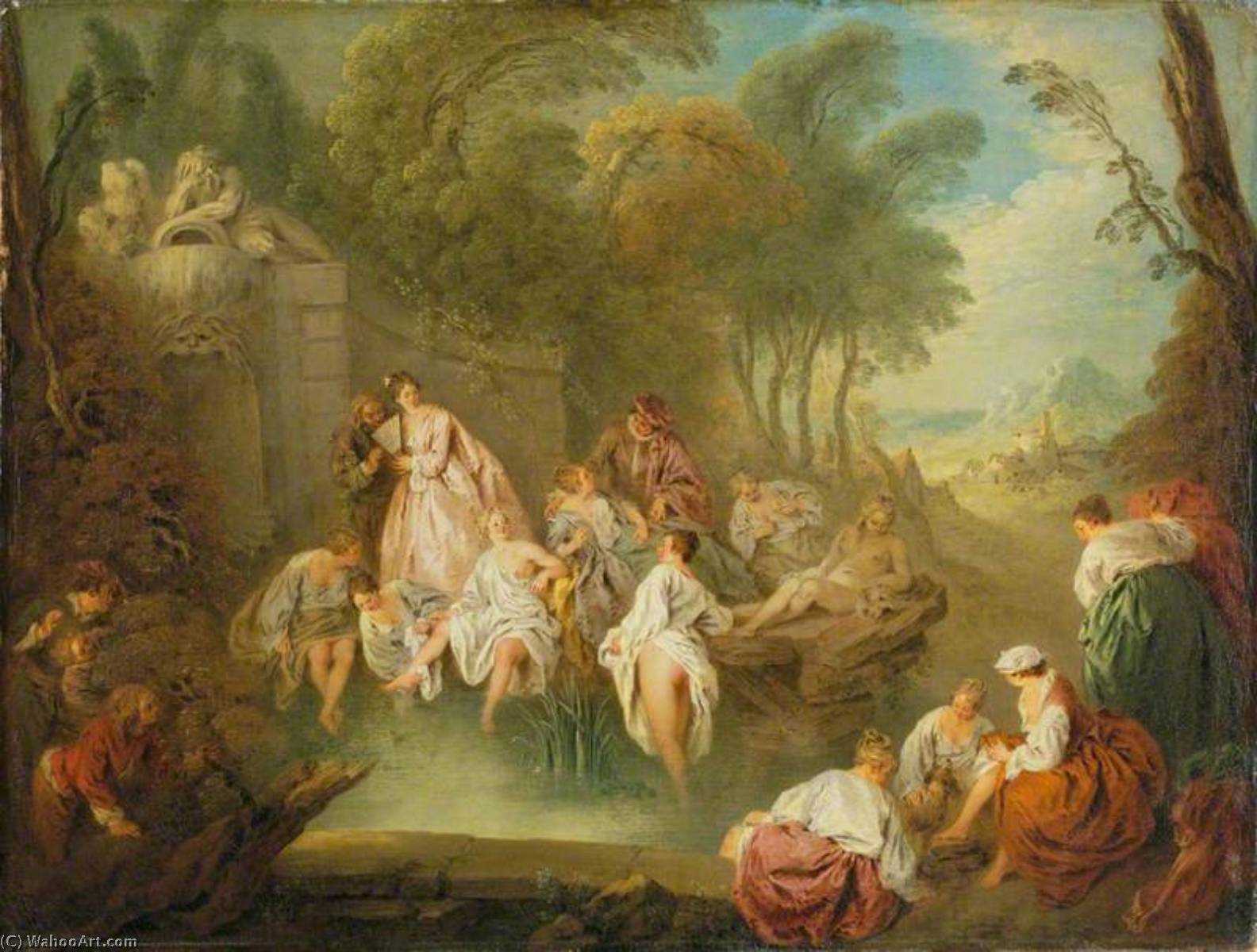
Bathing Party in a Park
 Oil On Canvas
- WallArt
- Rococo
 1730
1730- Early Modern
 64.0 x 85.0 cm
 The Wallace Collection
 Read More
Purchase a high-resolution, enhanced digital image, far superior to the online preview.
Each file is meticulously prepared by our in-house specialists using advanced tools and expert manual retouching. We ensure every image has exceptional clarity, precise color accuracy, and fine detail.
The final file is delivered via email within 72 hours, optimized for immediate use in professional, editorial, and print environments. This is the same quality trusted by top-tier design studios, publishers, and galleries.
Digital Image
Download a high-resolution file for personal display, printing, and creative projects. ( Buy Print Buy Hand Made Painting)
Included in Every Digital Image Order
Expert Digital Delivery, Guaranteed
When you choose ArtsDot.com, you're not just getting an image - you're receiving a professionally enhanced digital artwork, crafted with precision and backed by a satisfaction guarantee. Here's everything that comes with your order, automatically:

Fast Email Delivery
Your high-resolution digital image file will be emailed to you within 72 hours of ordering - ready for immediate use.

AI-Enhanced Digital File
Your artwork is professionally optimized using advanced AI tools and manual editing, ensuring maximum detail, clarity, and color accuracy.

Free Lifetime Re-Delivery
Accidentally deleted or lost your file? No worries - we'll resend it to you anytime, free of charge.

No Import Fees - Ever
Enjoy your artwork instantly with zero customs, duties, or delivery fees - digital downloads are always tax-free.

Color Accuracy Guarantee
We ensure your digital image reflects the original colors as closely as possible using professional tools and color management.

60-Day Satisfaction Guarantee
If you're not satisfied with your digital image, we'll revise it or refund 100% within 60 days - no questions asked.

100% Money-Back Guarantee
Not satisfied? Get a full refund within 60 days of receiving your digital file - no questions asked.

Bulk Order Discounts
Buy 3 images, save 10% - Buy 5, save 15% - Buy 10+, save 20%. Great for creative projects, galleries, and agencies.
Collectible Description
Jean-Baptiste Pater: A Singular Pupil of Watteau – Exploring Elegance and Ephemeral Beauty
Jean-Baptiste Pater (December 29, 1695 – July 25, 1736) stands as a singular figure in the annals of French Rococo art—the sole documented student of Antoine Watteau, arguably the movement’s most celebrated artist. Born in Valenciennes, France, Pater's artistic journey began under the tutelage of his sculptor father, Antoine Pater, fostering an early appreciation for form and craftsmanship that would inform his subsequent endeavors. However, it was Watteau who irrevocably shaped Pater’s vision, establishing a relationship marked by both admiration and friction—a dynamic that ultimately yielded one of the most influential painters of his time. This connection wasn't merely pedagogical; Pater absorbed Watteau’s stylistic principles with an intensity rarely seen, transforming them into his own distinctive voice while retaining the core essence of Watteau’s ethereal aesthetic.The Essence of *Fête Galante*: Pater's Imitation and Innovation
Pater’s artistic output is overwhelmingly defined by *fête galantes*, elaborate outdoor gatherings that epitomized the Rococo spirit—a celebration of aristocratic leisure, idealized beauty, and fleeting moments of pleasure amidst a meticulously crafted landscape. Like Watteau, Pater skillfully employed atmospheric perspective, blurring distant horizons and layering colors to create an illusion of depth and tranquility. However, Pater subtly differentiated his approach, injecting a palpable sense of movement and dynamism into his compositions that surpasses Watteau’s more static depictions. Consider “Bathing Party in a Park,” where figures are scattered across the lawn, engaged in playful interactions—a deliberate departure from Watteau's carefully posed tableaux vivant. This nuanced execution underscores Pater’s ability to honor Watteau’s legacy while forging an independent artistic path.Technique and Material Considerations: Mastering Oil on Canvas
Pater’s technical prowess was evident in his masterful handling of oil paint on canvas—a medium favored by Watteau and other leading Rococo artists. He achieved luminous effects through meticulous blending and glazing techniques, capturing the subtle nuances of light and shadow with remarkable precision. The shimmering surfaces of Pater's paintings reflect the opulent tastes of the aristocracy who commissioned them, demonstrating a profound understanding of visual illusion and artistic craftsmanship. Detailed observation reveals brushstrokes that are delicately textured yet seamlessly integrated into the overall tonal harmony—a testament to Pater’s dedication to mastering his chosen medium.Historical Context: The Reign of Louis XV and Artistic Patronage
“Bathing Party in a Park,” created circa 1730, emerged during the reign of Louis XV, a period characterized by lavish court celebrations and an obsession with aristocratic grandeur. Watteau’s influence extended beyond mere stylistic imitation; he instilled in Pater a belief that art should serve as a conduit for conveying emotion and capturing the fleeting beauty of human experience—a conviction that resonated deeply within Pater's artistic sensibilities. The painting exemplifies the Rococo’s preoccupation with idealized pastoral scenes, reflecting a desire to escape the burdens of urban life and immerse oneself in the serenity of nature. Furthermore, it speaks to the broader cultural fascination with illusionism and theatrical presentation, mirroring the ambitions of Louis XV’s court to project an image of magnificence and refinement.Symbolic Resonance: Light, Movement, and Transient Delight
The painting's symbolism is rich and layered—primarily centered around the depiction of light and movement as emblems of joy and liberation. Pater skillfully utilizes chiaroscuro—the dramatic interplay between light and dark—to illuminate key figures and create a sense of theatrical grandeur. The scattered postures of the participants convey an atmosphere of carefree abandon, suggesting that these gatherings were intended to evoke feelings of pleasure and delight. Moreover, the carefully chosen landscape backdrop reinforces this symbolic message, representing the unspoiled beauty of nature and serving as a counterpoint to the constraints of aristocratic society. Pater’s artistic vision transcends mere visual representation; it aspires to capture the ephemeral essence of human experience—a legacy that continues to inspire artists and collectors alike.Conclusion: Pater's Enduring Influence – A Lasting Impression
Jean-Baptiste Pater’s contribution to French Rococo art is undeniable—he secured his place as Watteau’s sole student, inheriting and transforming the master’s distinctive style into a singular artistic idiom. “Bathing Party in a Park,” with its luminous palette, masterful technique, and evocative symbolism, stands as a poignant reminder of Pater's unwavering commitment to capturing the fleeting beauty of aristocratic leisure—a testament to his enduring influence on subsequent generations of painters. Its reproductions continue to captivate audiences today, ensuring that Pater’s vision persists as an emblem of Rococo elegance and artistic innovation.Related Artworks
Artist Biography
Jean-Baptiste Pater: The Sole Pupil of Watteau
Jean-Baptiste Pater (December 29, 1695 – July 25, 1736) stands as a singular figure in the annals of French Rococo art—the sole documented student of Antoine Watteau, arguably the movement’s most celebrated artist. Born in Valenciennes, France, Pater's artistic journey began under the tutelage of his sculptor father, Antoine Pater, fostering an early appreciation for form and craftsmanship that would inform his subsequent endeavors. However, it was Watteau who irrevocably shaped Pater’s vision, establishing a relationship marked by both admiration and friction—a dynamic that ultimately yielded one of the most influential painters of his time.- Early Training & Influences: Pater's formative years were spent honing his skills under Antoine Pater, absorbing foundational principles of sculpture before embarking on his artistic studies with Jean-Baptiste Guide. This initial grounding proved invaluable as he later sought mentorship from Watteau in Paris (1713), where the elder artist’s distinctive style—characterized by delicate pastel palettes and ethereal shimmering lines—immediately captivated young Pater.
- The Watteau Connection: Watteau's influence extended beyond mere stylistic imitation; it permeated Pater’s conceptual framework. Despite Watteau’s notoriously difficult temperament, Pater recognized the master’s profound understanding of atmosphere and emotion, qualities he diligently pursued in his own work. The brief collaboration between the two artists solidified Watteau’s legacy as Pater’s guiding force.
- Rococo Style & Technique: Pater's artistic style epitomized the Rococo aesthetic—a celebration of elegance, frivolity, and sensual pleasure. He employed a masterful technique utilizing traditional pastel colors and applying shimmering lines with remarkable precision. This distinctive approach anticipates Francesco Guardi’s later explorations of atmospheric perspective, demonstrating Pater’s keen observational skills and innovative spirit.
Notable Works & Patronage
Pater's artistic output focused primarily on *fête galantes*, idyllic scenes depicting aristocratic gatherings amidst gardens or landscapes—a genre championed by Watteau and perfected by Pater himself. His most celebrated canvases include “Conversation Galante,” a breathtaking depiction of refined social interaction bathed in soft light, capturing the essence of Rococo’s preoccupation with beauty and grace. Another significant achievement is “Landscape with a Cart,” which showcases Pater's ability to convey subtle nuances of texture and color—a piece considered to foreshadow Guardi’s groundbreaking use of atmospheric perspective.- Frederick the Great: Pater gained considerable renown through his portrait commissions for Frederick II, King of Prussia—specifically “Le Sultan au Harem” and “Le Sultan au Jardin.” These portraits exemplify Pater's skill in portraying regal dignity and capturing the psychological complexities of his subjects, cementing his reputation as a royal artist.
- Museum Collections: Pater’s paintings reside in prestigious institutions worldwide, including the Louvre Museum in Paris and the Musée des Beaux-Arts de Valenciennes—testaments to their enduring artistic merit and historical significance.
Legacy & Artistic Significance
Jean-Baptiste Pater's contribution to French Rococo art is undeniable. He stands as a pivotal figure in capturing the spirit of his era, embodying Watteau’s stylistic innovations while forging his own distinctive artistic voice. His meticulous technique and evocative compositions continue to inspire admiration among art historians and enthusiasts alike—a testament to Pater’s enduring legacy as one of France's foremost painters of the eighteenth century. For a deeper understanding of Pater’s life and oeuvre, visit ArtsDot or explore the Musée des Beaux-Arts de Valenciennes website.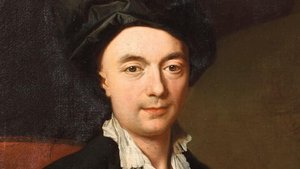
Jean-Baptiste Pater
1695 - 1736 , France
Quick Facts
- Artistic Movement Or Style: Rococo Pastel Palette
- Artists Or Movements Influenced By This Artist: ['Francesco Guardi']
- Artists Who Influenced This Artist: ['Antoine Watteau']
- Date Of Birth: December 29, 1695
- Date Of Death: July 25, 1736
- Full Name: Jean-Baptiste Pater
- Nationality: French
- Notable Artworks:
- Conversation Galante
- Landscape with a Cart
- Les Plaisirs du Bal
- Place Of Birth: Valenciennes, France

