

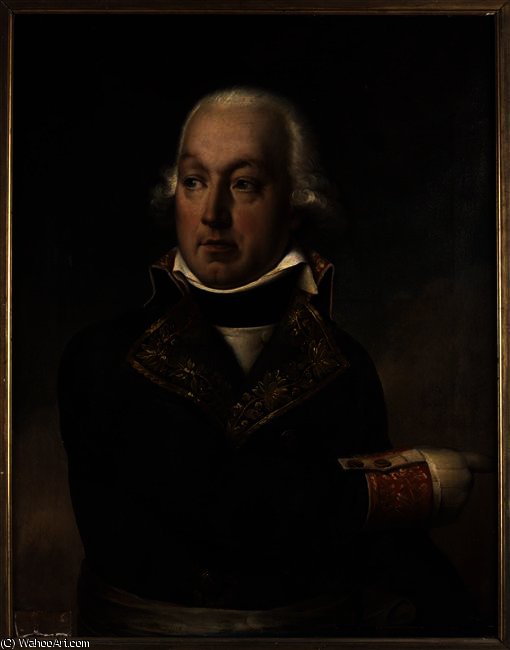
 Preview
 Send
Send Share
Share
 Details

 Download
 Similars
 X-Ray
X-Ray Diaporama
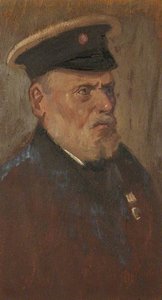
Barthelemy-Louis-Joseph Scherer
 Read More
Purchase a high-resolution, enhanced digital image, far superior to the online preview.
Each file is meticulously prepared by our in-house specialists using advanced tools and expert manual retouching. We ensure every image has exceptional clarity, precise color accuracy, and fine detail.
The final file is delivered via email within 72 hours, optimized for immediate use in professional, editorial, and print environments. This is the same quality trusted by top-tier design studios, publishers, and galleries.
Digital Image
Download a high-resolution file for personal display, printing, and creative projects. ( Buy Print Buy Hand Made Painting)
Included in Every Digital Image Order
Expert Digital Delivery, Guaranteed
When you choose ArtsDot.com, you're not just getting an image - you're receiving a professionally enhanced digital artwork, crafted with precision and backed by a satisfaction guarantee. Here's everything that comes with your order, automatically:

Fast Email Delivery
Your high-resolution digital image file will be emailed to you within 72 hours of ordering - ready for immediate use.

AI-Enhanced Digital File
Your artwork is professionally optimized using advanced AI tools and manual editing, ensuring maximum detail, clarity, and color accuracy.

Free Lifetime Re-Delivery
Accidentally deleted or lost your file? No worries - we'll resend it to you anytime, free of charge.

No Import Fees - Ever
Enjoy your artwork instantly with zero customs, duties, or delivery fees - digital downloads are always tax-free.

Color Accuracy Guarantee
We ensure your digital image reflects the original colors as closely as possible using professional tools and color management.

60-Day Satisfaction Guarantee
If you're not satisfied with your digital image, we'll revise it or refund 100% within 60 days - no questions asked.

100% Money-Back Guarantee
Not satisfied? Get a full refund within 60 days of receiving your digital file - no questions asked.

Bulk Order Discounts
Buy 3 images, save 10% - Buy 5, save 15% - Buy 10+, save 20%. Great for creative projects, galleries, and agencies.
Related Artworks






Artist Biography
Thomas Sully: The American Lawrence
Born in Horncastle, Lincolnshire, England, on June 19, 1783, Thomas Sully’s artistic journey began within the bustling world of theatrical performance. His father, Matthew Sully, and mother, Sarah Chester, were both accomplished actors, and young Thomas quickly found himself immersed in the vibrant atmosphere of the stage. At just eleven years old, he made his debut as a tumbler, showcasing an early aptitude for visual spectacle and captivating audiences. This formative experience instilled within him a keen understanding of composition, movement, and the art of drawing attention – skills that would later prove invaluable in his career as a portrait painter.
Sully’s family relocated to Charleston, South Carolina, in 1792, seeking opportunities within the burgeoning American colonies. His uncle, Thomas Wade West, a successful theater manager, provided a supportive environment for the young artist's developing talent. He began his artistic training under Jean Belzons, a French miniaturist, though their partnership eventually dissolved amidst a falling out. This early exposure to diverse artistic styles – from theatrical design to miniature painting – laid the foundation for Sully’s eclectic and remarkably versatile approach to portraiture.
Early Career and Philadelphia's Portrait Boom
Returning to England in 1809, Sully embarked on a period of intensive study under Benjamin West, one of the most celebrated artists of his time. West’s influence is readily apparent in Sully’s early works, particularly his meticulous attention to detail and his ability to capture the likenesses of his subjects with remarkable accuracy. However, Sully quickly developed his own distinctive style, characterized by a dynamic sense of movement, an engaging use of light and shadow, and a subtle yet undeniable charm.
In 1805, Sully established himself in Philadelphia, Pennsylvania – a city rapidly becoming a center for portraiture. He capitalized on the growing demand for formal portraits among the wealthy elite, quickly establishing himself as one of the most sought-after artists in the region. His success was partly due to his ability to capture not just physical likenesses but also the personalities and social standing of his subjects. Sully’s Philadelphia studio became a hub of artistic activity, attracting prominent figures from across the United States – including presidents Thomas Jefferson, John Quincy Adams, and Andrew Jackson; Revolutionary War hero General Marquis de Lafayette; and numerous members of the upper class.
Royal Patronage and European Travels
Sully’s career reached a new pinnacle in 1837 when he received an unexpected commission: to paint a portrait of Queen Victoria. This extraordinary opportunity, orchestrated by his friend Edward Carey, propelled Sully into the heart of London society and led to a prolonged stay in England. The commission demanded meticulous adherence to protocol and etiquette, requiring him to navigate the complex social landscape surrounding the royal court. During this time, he immersed himself in British culture, attending operas, dramatic performances, and engaging with leading artists and intellectuals.
Sully’s European travels extended beyond London, including visits to Belgium and Holland, where he studied the techniques of Northern Renaissance painters. These experiences broadened his artistic horizons and further refined his style, contributing to the development of his distinctive approach to landscape painting – characterized by a sense of atmospheric depth and a masterful use of color.
Legacy and Artistic Significance
Thomas Sully’s career spanned over seven decades, during which he produced an astonishing output of over 2,300 paintings. His portraits are renowned for their engaging quality, capturing not only the physical likenesses of his subjects but also their personalities and social standing. He is often referred to as the “American Lawrence,” a tribute to his stylistic similarities with the celebrated English portraitist Thomas Lawrence, and he remains one of the most important figures in American art history.
Sully’s influence extended beyond the realm of portraiture; his works were adapted for use on United States coinage, solidifying his place in the nation's cultural heritage. His legacy endures through his captivating portraits and his significant contribution to the development of American painting. He died on November 5, 1872, leaving behind a remarkable body of work that continues to fascinate and inspire art lovers today.
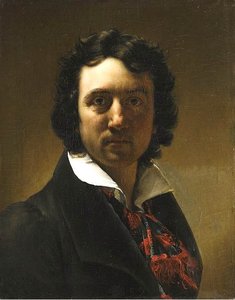
jean baptiste paulin guérin
1783 - 1855 , France
Quick Facts
- Artistic Movement Or Style: Portraiture, Romanticism
- Artists Or Movements Influenced By This Artist: ['Sir Thomas Lawrence of America']
- Artists Who Influenced This Artist:
- Benjamin West
- Thomas Lawrence
- Date Of Birth: June 19, 1783
- Date Of Death: November 5, 1872
- Full Name: Thomas Sully
- Nationality: English-American
- Notable Artworks:
- The Passage of the Delaware
- Queen Victoria portrait
- Place Of Birth: Horncastle, England

