

 Preview
 Send
Send Share
Share
 Details

 Download
 Similars
 X-Ray
X-Ray Diaporama
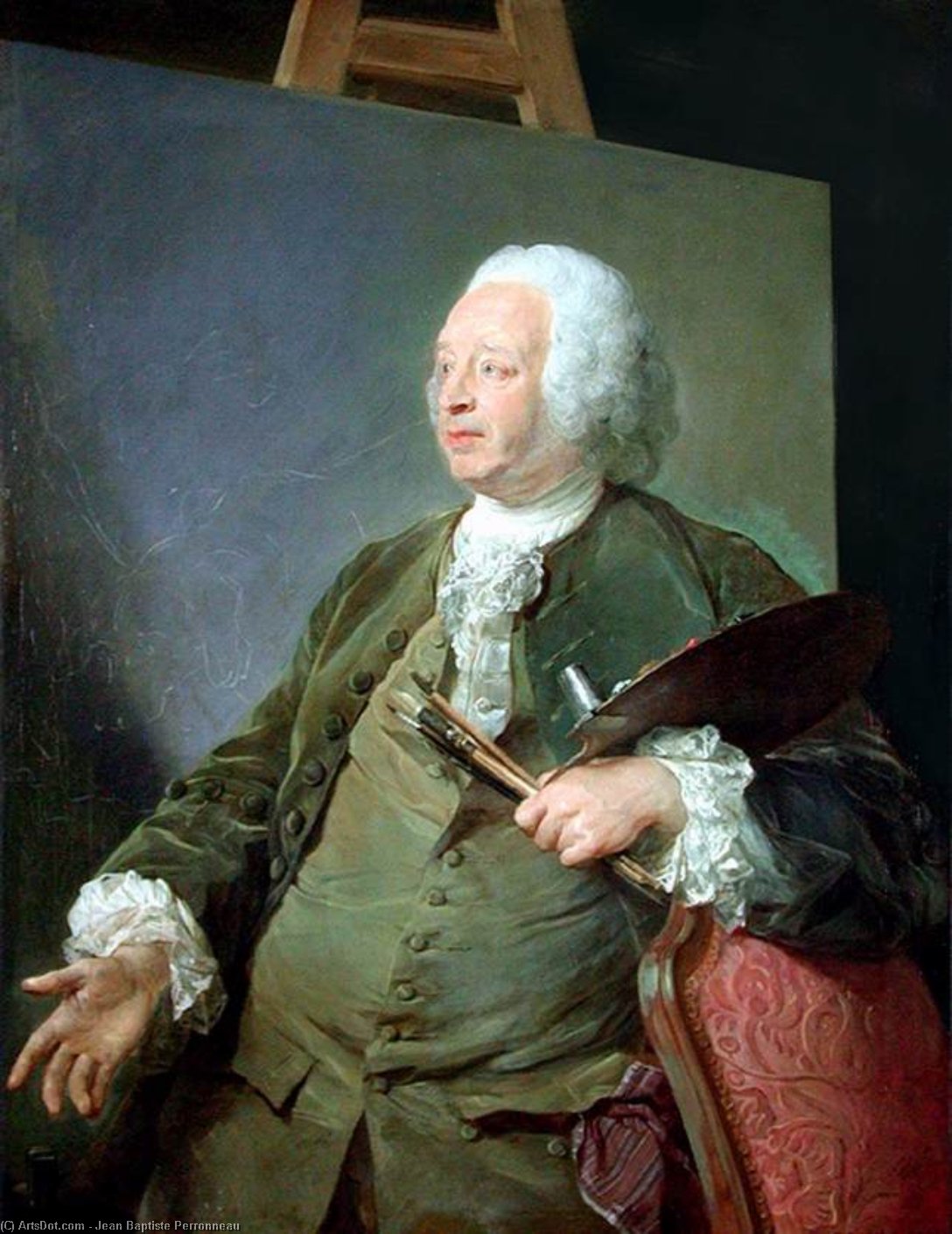
Portrait of Jean-Baptiste Oudry
 Acrylic On Canvas
- WallArt
- Baroque Rococo
 1753
1753 105.0 x 131.0 cm
 The Louvre
 Read More
Purchase a high-resolution, enhanced digital image, far superior to the online preview.
Each file is meticulously prepared by our in-house specialists using advanced tools and expert manual retouching. We ensure every image has exceptional clarity, precise color accuracy, and fine detail.
The final file is delivered via email within 72 hours, optimized for immediate use in professional, editorial, and print environments. This is the same quality trusted by top-tier design studios, publishers, and galleries.
Digital Image
Download a high-resolution file for personal display, printing, and creative projects. ( Buy Print Buy Hand Made Painting)
Included in Every Digital Image Order
Expert Digital Delivery, Guaranteed
When you choose ArtsDot.com, you're not just getting an image - you're receiving a professionally enhanced digital artwork, crafted with precision and backed by a satisfaction guarantee. Here's everything that comes with your order, automatically:

Fast Email Delivery
Your high-resolution digital image file will be emailed to you within 72 hours of ordering - ready for immediate use.

AI-Enhanced Digital File
Your artwork is professionally optimized using advanced AI tools and manual editing, ensuring maximum detail, clarity, and color accuracy.

Free Lifetime Re-Delivery
Accidentally deleted or lost your file? No worries - we'll resend it to you anytime, free of charge.

No Import Fees - Ever
Enjoy your artwork instantly with zero customs, duties, or delivery fees - digital downloads are always tax-free.

Color Accuracy Guarantee
We ensure your digital image reflects the original colors as closely as possible using professional tools and color management.

60-Day Satisfaction Guarantee
If you're not satisfied with your digital image, we'll revise it or refund 100% within 60 days - no questions asked.

100% Money-Back Guarantee
Not satisfied? Get a full refund within 60 days of receiving your digital file - no questions asked.

Bulk Order Discounts
Buy 3 images, save 10% - Buy 5, save 15% - Buy 10+, save 20%. Great for creative projects, galleries, and agencies.
Collectible Description
A Portrait Steeped in Dignity and Artistic Pursuit
The artwork presented here is Jean Baptiste Perronneau’s captivating depiction of Jean Baptiste Oudry, completed in 1753. More than just a likeness, this pastel portrait embodies the spirit of the Rococo era—a period characterized by refined elegance, aristocratic patronage, and an unwavering fascination with beauty and illusion. It's a piece that speaks volumes about its subject’s intellect and dedication to his craft, inviting viewers into a moment frozen in time.Composition and Technique: Mastering Pastel Brilliance
Perronneau skillfully employed the pastel medium—a technique favored by artists of his time—to achieve remarkable luminosity and tonal subtlety. Unlike oil paint, pastels offer unparalleled control over color blending and layering, allowing for an ethereal quality that captures the delicate nuances of skin tone and drapery folds. The composition adheres to classical principles, positioning Oudry slightly off-center against a backdrop of a simple easel and partially visible canvas—visual cues immediately signaling his profession as an artist. Careful attention was paid to capturing the subtle interplay of light and shadow, enhancing the portrait’s realism while simultaneously conveying a sense of serenity and contemplation. The brushwork is remarkably understated, prioritizing smoothness and blending to create a polished finish that reflects Perronneau's meticulous craftsmanship.Historical Context: Rococo Refinement Under Louis XV
Created during the reign of Louis XV, this portrait exemplifies the opulent aesthetic sensibilities of the French court. The Rococo style prioritized decorative ornamentation and sensual beauty—a deliberate reaction against the more austere grandeur of preceding Baroque periods. Pastel portraits like Oudry’s were particularly popular amongst aristocratic families who sought to commemorate their lineage and celebrate artistic achievement. Oudry himself was a celebrated naturalist painter, renowned for his meticulous depictions of birds and flowers – a testament to the intellectual curiosity that permeated French society during this era. The painting serves as a window into a world of refined tastes and artistic ambition, reflecting the values championed by Louis XV’s court.Symbolism: Beyond Mere Representation
The inclusion of the easel and paintbrush isn't merely descriptive; it carries symbolic weight. It underscores Oudry’s identity as an artist—a profession considered honorable and intellectually stimulating during the Rococo period. The partially visible canvas symbolizes ongoing creative endeavor, hinting at Oudry’s tireless pursuit of artistic excellence. Furthermore, Oudry’s gaze – calm and thoughtful – conveys a sense of dignity and intellectual prowess, qualities highly valued by society at the time. These subtle visual cues elevate the portrait beyond a simple likeness, transforming it into an emblem of artistic dedication and humanist ideals.Emotional Impact: Capturing Inner Reflection
Ultimately, Perronneau’s pastel masterpiece succeeds in conveying a profound emotional resonance. The soft lighting illuminates Oudry's face with gentle warmth, fostering a feeling of intimacy and inviting viewers to contemplate his inner life. There is an undeniable serenity within the portrait—a quiet confidence born from intellectual engagement and artistic accomplishment. It’s a piece that lingers in the memory long after viewing, reminding us of the enduring power of art to capture not only outward appearance but also the essence of human character. This remarkable artwork remains a testament to Perronneau's skill and the captivating beauty of Rococo artistry.Related Artworks
Artist Biography
A Delicate Hand: The Life and Art of Jean-Baptiste Perronneau
Jean-Baptiste Perronneau, a name perhaps less immediately recognized than some of his Rococo contemporaries, nevertheless occupies a significant place in the history of French portraiture. Born in Amsterdam around 1715 – though precise dates remain elusive – and passing away there in 1783, Perronneau’s artistic journey unfolded primarily within the vibrant cultural landscape of 18th-century France. He wasn't a painter of grand historical narratives or mythological scenes; his focus lay intimately on the human face, capturing not merely likeness but also the subtle nuances of character and social standing through the delicate medium of pastel.
Perronneau’s initial training began in engraving, a discipline that instilled within him a keen eye for detail and precision. He studied with Laurent Cars and found early employment with the Parisian printseller Gabriel Huquier, establishing crucial connections within the burgeoning art world. This foundation proved invaluable as he transitioned towards portraiture, initially working in oils before wholeheartedly embracing pastels – a medium experiencing a surge in popularity during this period. The allure of pastel lay in its ability to achieve soft textures and luminous effects, qualities that perfectly suited Perronneau’s sensitive approach.
The Shadow and the Substance: Influences and Artistic Development
To understand Perronneau's artistic trajectory is to acknowledge the towering figure of Maurice Quentin de la Tour. De La Tour was widely considered the master of French pastel portraiture, and his influence on Perronneau was profound. A pivotal moment illustrating this relationship occurred at the Salon of 1750. Perronneau daringly exhibited a pastel portrait *of* de la Tour himself, only to find that the master had simultaneously submitted a self-portrait – an act interpreted by many as a deliberate demonstration of his own superior skill. While undeniably influenced by de la Tour’s technical brilliance, Perronneau didn't simply imitate; he forged his own distinct style.
Perronneau possessed a remarkable ability to infuse his portraits with psychological depth and sensitivity. He moved beyond mere physical representation, seeking to capture the inner life of his sitters. This is evident in the subtle expressions, the carefully rendered details of clothing and accessories – all contributing to a nuanced portrayal of personality and social status. His work aligns beautifully with the Rococo aesthetic, emphasizing elegance, refinement, and an appreciation for aristocratic society, yet it also hints at the emerging Enlightenment ideals of individualism and introspection.
A Prolific Career: From Parisian Salons to Provincial Travels
Perronneau first exhibited a pastel portrait at the Salon in 1746, marking his formal entry into the artistic arena. His talent was quickly recognized, culminating in full membership of the prestigious Académie royale de peinture et de sculpture in 1753. For his admission pieces, he presented portraits of Jean-Baptiste Oudry and Lambert-Sigisbert Adam – works that now reside within the hallowed halls of the Louvre Museum, testaments to his established skill.
However, Perronneau’s career took an interesting turn after 1779. He ceased exhibiting at the Paris Salons but continued to work prolifically, expanding his clientele beyond the capital. This led him on extensive travels throughout France, particularly to Orléans, Toulouse, Bordeaux, and Lyon. Evidence suggests that his wanderlust extended even further afield, with potential visits to Turin, Rome, Spain, Hamburg, Poland, Russia, and even England. This itinerant lifestyle allowed him to capture a diverse range of subjects, reflecting the varied social fabric of 18th-century Europe.
A Lasting Legacy: Historical Significance and Enduring Appeal
Despite dying in Amsterdam largely unknown, Jean-Baptiste Perronneau’s contributions to French portraiture are now rightfully celebrated. His portraits offer invaluable glimpses into the lives and appearances of individuals from various social strata during a pivotal period in history. He wasn't merely recording faces; he was documenting a world – its fashions, its values, and its evolving sensibilities.
Perronneau’s mastery of pastel serves as a testament to the medium’s enduring appeal, bridging the gap between drawing and painting. His delicate touch, his sensitivity to light and shadow, and his ability to capture the essence of his sitters continue to captivate viewers today. He stands as a compelling example of an artist who, while operating within the conventions of his time, managed to imbue his work with a unique sense of intimacy and psychological insight – qualities that ensure his place among the great portraitists of the 18th century.
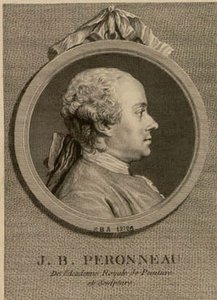
jean baptiste perronneau
1715 - 1783 , Netherlands
Quick Facts
- Artistic Movement Or Style: Rococo
- Artists Who Influenced This Artist: ['Maurice Quentin de la Tour']
- Date Of Birth: c. 1716
- Date Of Death: 1783
- Full Name: Jean-Baptiste Perronneau
- Nationality: French
- Notable Artworks:
- Portrait of Oudry
- Daniel Jousse
- Tassin de La Renardière
- Place Of Birth: Amsterdam, Netherlands

