 Preview
 Send
Send Share
Share
 Details

 Download
 Similars
 X-Ray
X-Ray Diaporama
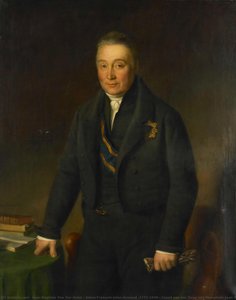
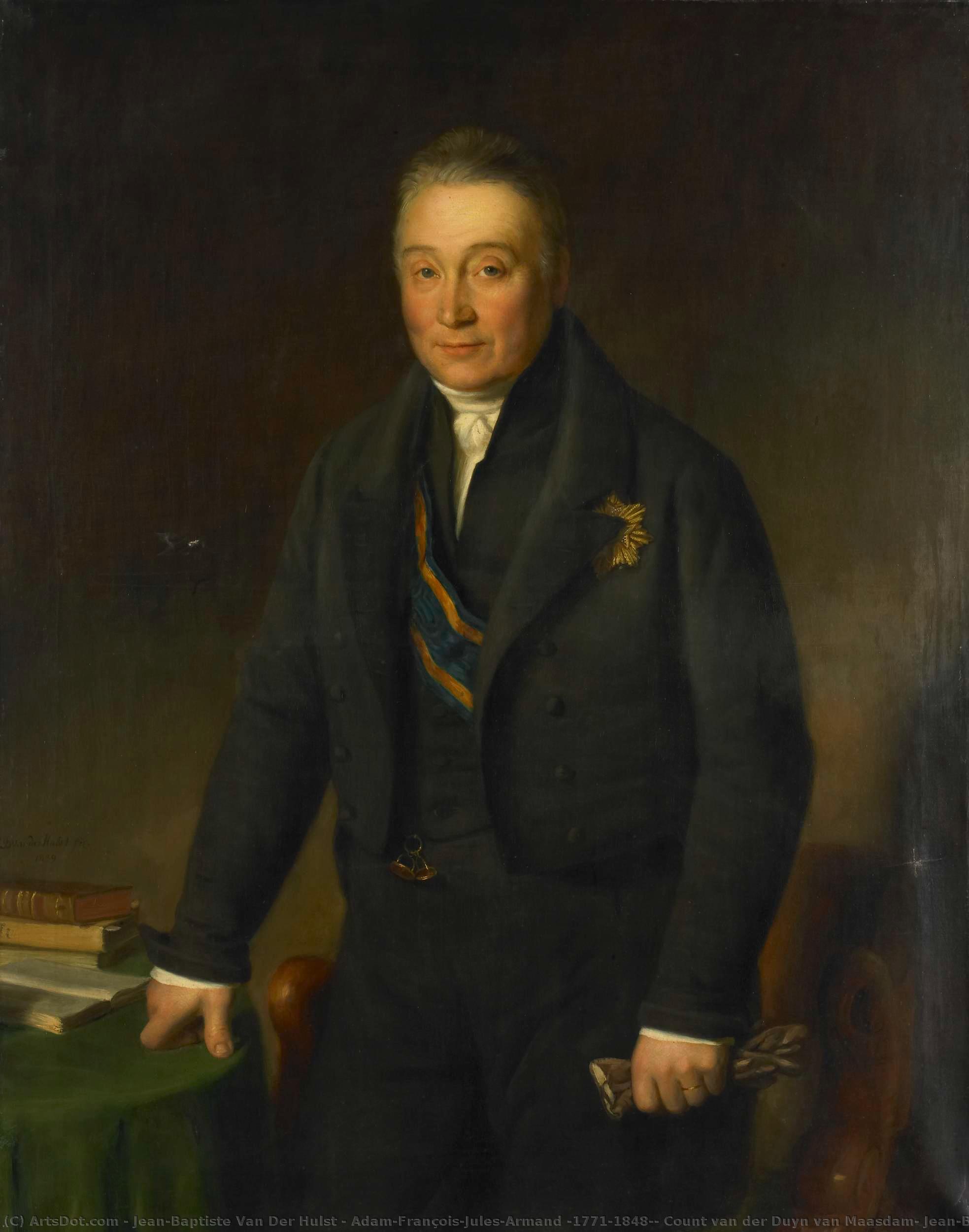
Adam-François-Jules-Armand (1771-1848), Count van der Duyn van Maasdam, Jean-Baptiste Van der Hulst, 1839
 1839
1839 122.0 x 95.0 cm
 Read More
Hand Made Oil Reproduction
Hand-painted oil on canvas in your size and frame, made to order by our artists. ( Buy Print Buy Image)




































Pick from our preset sizes that match the artwork's original proportions.

You may enter your own dimensions to fit a specific frame or space. If your selected size does not match the original image's proportions, we will either crop the artwork or extend the painting with additional hand-painted elements. A digital mockup will be sent for your approval before production begins.
Please note that the on-screen preview does not reflect the actual cropping or extension. Only the mockup will accurately show the final composition.
While custom sizes are available, we recommend selecting a dimension from the predefined list to preserve the original proportions.
After order, ArtsDot.com team will email client for instructions and provide a mockup preview
Worldwide Delivery () in 3/4 weeks instead of standard 5 weeks. (16 August). No compromise on quality.

Free Worldwide Express Shipping

High-Quality Linen Canvas

Full Shipping Insurance

Customs Tax Refund Guarantee

True Color Matching Guarantee

60-Day Return Policy (Defects Only)

100% Money-Back Guarantee

Bulk Discount Offer
 Glass option is only available in size under 110 CM

Adam-François-Jules-Armand (1771-1848), Count van der Duyn van Maasdam, Jean-Baptiste Van der Hulst, 1839
Reproduction Medium
Reproduction Size
-


Total Price
$ 263
Artwork Description
Related Artworks
Artist Biography
A Brush with Royalty: The Life and Art of Jean-Baptiste van der Hulst
Born in Leuven, Belgium, in 1790, Jean-Baptiste van der Hulst emerged as a significant figure in the artistic landscape of the early 19th century. His life coincided with a period of immense political and social upheaval in Europe, events that would profoundly shape not only his personal trajectory but also the subject matter he chose to immortalize on canvas. While initially trained in the traditional Flemish style, van der Hulst quickly distinguished himself through an exceptional talent for portraiture, a skill that ultimately led him to the heart of Dutch royal circles. His journey from aspiring artist to *hofschilder* (court painter) is a testament to his dedication, technical prowess, and ability to capture not merely likenesses but the very essence of his sitters.Early Training and Artistic Development
Van der Hulst’s early artistic education remains somewhat shrouded in mystery; however, it's understood he received foundational training within the established Flemish schools. This grounding instilled in him a meticulous attention to detail, a mastery of light and shadow, and a deep appreciation for classical composition—elements that would become hallmarks of his mature style. He wasn’t merely replicating techniques, though. Van der Hulst possessed an innate sensitivity to human expression, allowing him to move beyond simple representation towards a more nuanced portrayal of character. This talent was particularly evident in his early portraits, which, while not widely known today, demonstrate a burgeoning ability to convey personality and social standing through subtle gestures and carefully chosen attire. He began exhibiting works that garnered local attention, slowly building a reputation for quality and precision.The Court of the Netherlands: A Portraitist Ascendant
The pivotal moment in van der Hulst’s career arrived with his appointment as court painter to King William I of the Netherlands in 1830. This prestigious position thrust him into a world of aristocracy, diplomacy, and national identity. He was tasked with creating official portraits of the royal family and prominent members of Dutch society—a commission that demanded not only artistic skill but also an understanding of court etiquette and political symbolism. Van der Hulst excelled in this role, producing a series of elegant and dignified portraits that served to solidify the image of the newly established monarchy. His depictions weren’t simply flattering; they were carefully constructed narratives designed to project power, stability, and legitimacy. He became adept at using props, backgrounds, and even clothing to subtly communicate messages about his sitters' status and achievements.Beyond Portraits: History Painting and Artistic Legacy
While van der Hulst is best remembered for his royal portraits, he also engaged in history painting, a genre considered more prestigious at the time. These works, though less numerous than his portraiture, reveal a broader artistic ambition and a desire to engage with significant historical events. He tackled scenes of national heroism and moments of political importance, demonstrating a command of composition and narrative storytelling.- Technical Mastery: Van der Hulst’s technique was characterized by smooth brushwork, rich color palettes, and an exceptional attention to detail. He employed glazing techniques to create depth and luminosity in his paintings.
- Symbolism and Narrative: His portraits were often imbued with subtle symbolism, reflecting the social status and political affiliations of his sitters.
- Influence of Contemporaries: While maintaining a distinct style, van der Hulst was influenced by contemporary portraitists such as Jacques-Louis David and Jean-Auguste-Dominique Ingres.
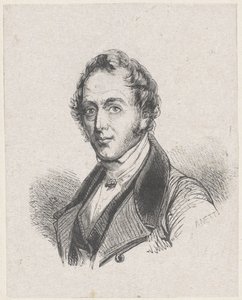
jean-baptiste van der hulst
1790 - 1862 , Belgium
Quick Facts
- Artistic Movement Or Style: History painting, Portraiture
- Date Of Birth: 1790
- Date Of Death: 1862
- Full Name: Jean-Baptiste van der Hulst
- Nationality: Flemish
- Place Of Birth: Leuven, Belgium