

 Preview
 Send
Send Share
Share
 Details

 Download
 Similars
 X-Ray
X-Ray Diaporama
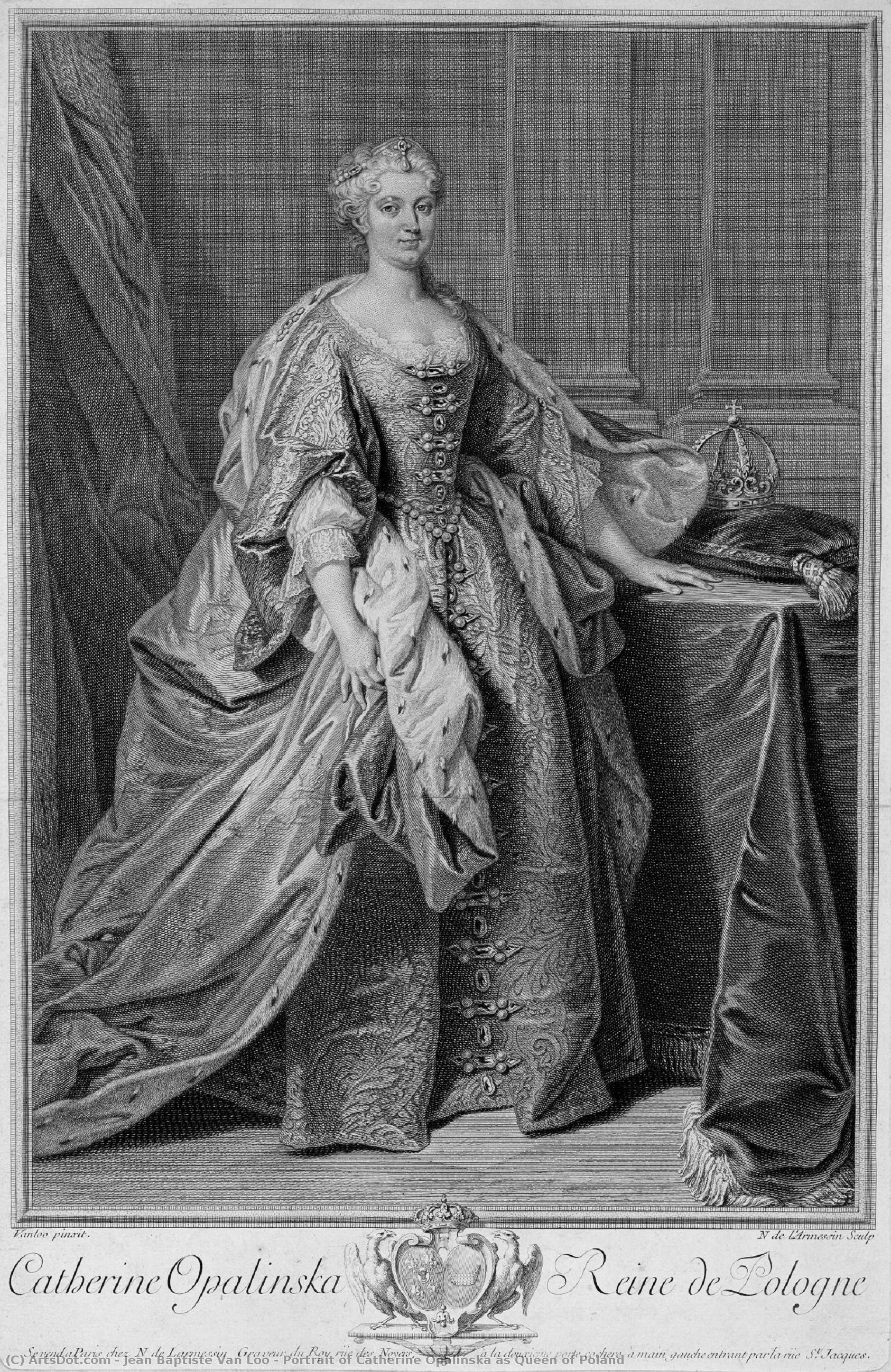
Portrait of Catherine Opalińska as Queen of Poland

 Read More
Purchase a high-resolution, enhanced digital image, far superior to the online preview.
Each file is meticulously prepared by our in-house specialists using advanced tools and expert manual retouching. We ensure every image has exceptional clarity, precise color accuracy, and fine detail.
The final file is delivered via email within 72 hours, optimized for immediate use in professional, editorial, and print environments. This is the same quality trusted by top-tier design studios, publishers, and galleries.
Digital Image
Download a high-resolution file for personal display, printing, and creative projects. ( Buy Print Buy Hand Made Painting)
Included in Every Digital Image Order
Expert Digital Delivery, Guaranteed
When you choose ArtsDot.com, you're not just getting an image - you're receiving a professionally enhanced digital artwork, crafted with precision and backed by a satisfaction guarantee. Here's everything that comes with your order, automatically:

Fast Email Delivery
Your high-resolution digital image file will be emailed to you within 72 hours of ordering - ready for immediate use.

AI-Enhanced Digital File
Your artwork is professionally optimized using advanced AI tools and manual editing, ensuring maximum detail, clarity, and color accuracy.

Free Lifetime Re-Delivery
Accidentally deleted or lost your file? No worries - we'll resend it to you anytime, free of charge.

No Import Fees - Ever
Enjoy your artwork instantly with zero customs, duties, or delivery fees - digital downloads are always tax-free.

Color Accuracy Guarantee
We ensure your digital image reflects the original colors as closely as possible using professional tools and color management.

60-Day Satisfaction Guarantee
If you're not satisfied with your digital image, we'll revise it or refund 100% within 60 days - no questions asked.

100% Money-Back Guarantee
Not satisfied? Get a full refund within 60 days of receiving your digital file - no questions asked.

Bulk Order Discounts
Buy 3 images, save 10% - Buy 5, save 15% - Buy 10+, save 20%. Great for creative projects, galleries, and agencies.
Related Artworks

![Three Studies Of A Woman's Head And A Study Of Hands [recto], — Jean-antoine Watteau, Rococo Style](/media/artworks/images-thumb/65/73/65730255a762c06e3235059db7ffcb5f.jpg)
Artist Biography
A Legacy of Likeness: The Life and Art of Jean-Baptiste van Loo
Jean-Baptiste van Loo, born in Aix-en-Provence in 1684, emerged from a distinguished lineage of artists, a heritage that profoundly shaped his artistic journey. His father, Louis-Abraham van Loo, himself the son of Jacob van Loo, instilled in him not only technical skill but also an appreciation for the power and prestige associated with portraiture. This familial foundation proved crucial as young Jean-Baptiste embarked on a career destined to capture the likenesses of Europe’s elite. Early training laid the groundwork for his future success, fostering a meticulous attention to detail and a developing understanding of composition that would become hallmarks of his style. The initial artistic explorations within Aix and Toulon were abruptly interrupted by the siege of 1707, an event that propelled him toward new opportunities and further refinement of his craft.From Roman Churches to Parisian Salons
A pivotal moment arrived with the patronage of Prince Emmanuel Philibert of Carignano, who recognized van Loo’s burgeoning talent and sponsored his journey to Rome. This sojourn proved transformative. Under the tutelage of Benedetto Luti, van Loo immersed himself in the vibrant artistic milieu of the Italian capital, honing his skills while contributing significantly to the city's religious landscape. His “Scourging of Christ” for the church of Santa Maria in Monticelli garnered considerable acclaim, demonstrating a mastery of dramatic composition and emotional intensity. This early success established him as a painter capable of both technical brilliance and profound spiritual expression. Following Rome, van Loo’s artistic path led him to Turin, where he painted portraits of Charles Emmanuel II, Duke of Savoy, and members of his court, further solidifying his reputation among European nobility. The culmination of this period saw his election into the prestigious Académie Royale de Peinture et de Sculpture in Paris, marking a significant milestone in his career and opening doors to commissions from the highest echelons of French society. He also undertook restoration work at Fontainebleau, demonstrating versatility beyond portraiture.Capturing an Era: Portraiture and Aristocratic Patronage
Van Loo’s true mastery lay in the art of portraiture. He possessed a remarkable ability to capture not merely physical resemblance but also the essence of his sitters – their status, personality, and even subtle nuances of character. His portraits were sought after by aristocrats across Europe, including a young William Murray (later the 1st Lord Mansfield) during his time in Paris, and later Sir Robert Walpole in England. The portrait of Walpole, now residing in the National Portrait Gallery, London, exemplifies van Loo’s style: a dignified depiction emphasizing power and authority through meticulous detail in attire and pose. While celebrated for his technical skill, it's worth noting that van Loo’s portraits were often described as unflattering, prioritizing faithful representation over idealization. This commitment to realism, while perhaps not always appreciated by his subjects, contributed to the historical value of his work, offering invaluable insights into the appearance and demeanor of prominent figures of the 18th century. His ability to convey social standing through artistic choices made him a favored artist among those seeking to project an image of power and refinement.A Brief English Interlude and Enduring Influence
In 1737, van Loo ventured to England, where he quickly gained recognition for his portraits of Colley Cibber and Owen McSwiny. However, his time in Britain was cut short by declining health, forcing him to return to France in 1742 and eventually settle back in Aix-en-Provence, where he passed away in 1745. Despite the brevity of his English sojourn, it left a lasting impression on the artistic landscape of the period. His work influenced subsequent generations of portrait painters, who admired his technical precision and commitment to realism. The legacy of Jean-Baptiste van Loo extends beyond individual masterpieces; he represents a pivotal figure in the development of 18th-century portraiture, bridging the gap between the Baroque and Rococo styles. Today, his paintings continue to captivate audiences with their historical significance and artistic merit, offering a glimpse into a bygone era of elegance, power, and refined artistry. His works can be found in prominent collections such as the National Portrait Gallery in London, ensuring that his contribution to art history remains accessible for generations to come.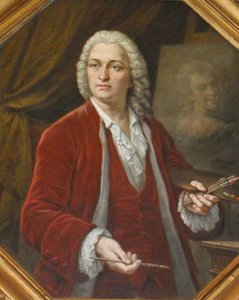
Jean-Baptiste van Loo
1684 - 1745 , France
Quick Facts
- Artistic Movement Or Style: Baroque, Rococo
- Artists Who Influenced This Artist: ['Benedetto Luti']
- Date Of Birth: 1684
- Date Of Death: 1745
- Full Name: Jean-Baptiste van Loo
- Nationality: French
- Notable Artworks:
- Scourging of Christ
- Portrait of Walpole
- King Louis XV portrait
- Place Of Birth: Aix-en-Provence, France

