

 Preview
 Send
Send Share
Share
 Details

 Download
 Similars
 X-Ray
X-Ray Diaporama
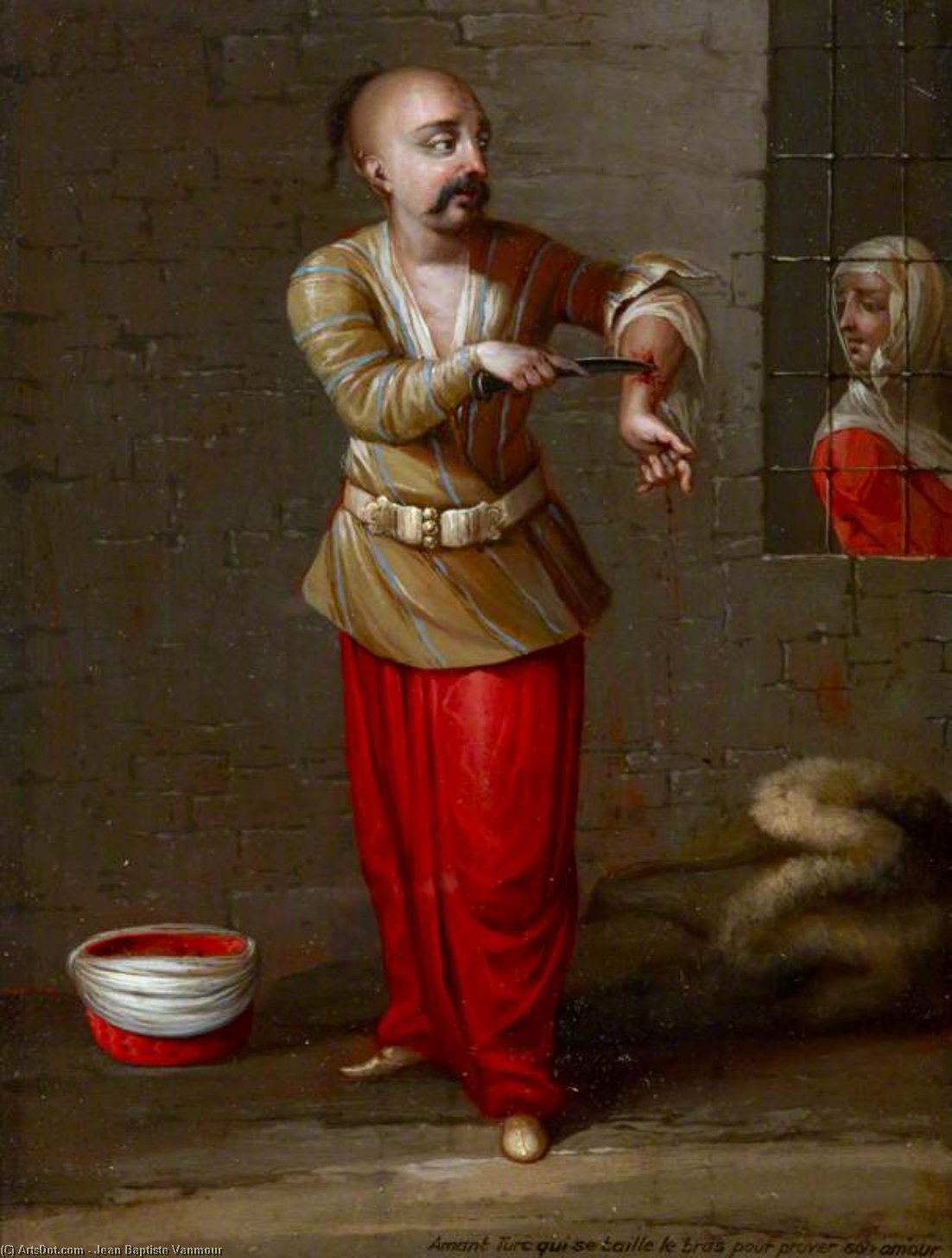
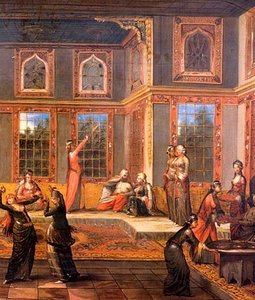
Turkish Men and Women
 Read More
Purchase a high-resolution, enhanced digital image, far superior to the online preview.
Each file is meticulously prepared by our in-house specialists using advanced tools and expert manual retouching. We ensure every image has exceptional clarity, precise color accuracy, and fine detail.
The final file is delivered via email within 72 hours, optimized for immediate use in professional, editorial, and print environments. This is the same quality trusted by top-tier design studios, publishers, and galleries.
Digital Image
Download a high-resolution file for personal display, printing, and creative projects. ( Buy Print Buy Hand Made Painting)
Included in Every Digital Image Order
Expert Digital Delivery, Guaranteed
When you choose ArtsDot.com, you're not just getting an image - you're receiving a professionally enhanced digital artwork, crafted with precision and backed by a satisfaction guarantee. Here's everything that comes with your order, automatically:

Fast Email Delivery
Your high-resolution digital image file will be emailed to you within 72 hours of ordering - ready for immediate use.

AI-Enhanced Digital File
Your artwork is professionally optimized using advanced AI tools and manual editing, ensuring maximum detail, clarity, and color accuracy.

Free Lifetime Re-Delivery
Accidentally deleted or lost your file? No worries - we'll resend it to you anytime, free of charge.

No Import Fees - Ever
Enjoy your artwork instantly with zero customs, duties, or delivery fees - digital downloads are always tax-free.

Color Accuracy Guarantee
We ensure your digital image reflects the original colors as closely as possible using professional tools and color management.

60-Day Satisfaction Guarantee
If you're not satisfied with your digital image, we'll revise it or refund 100% within 60 days - no questions asked.

100% Money-Back Guarantee
Not satisfied? Get a full refund within 60 days of receiving your digital file - no questions asked.

Bulk Order Discounts
Buy 3 images, save 10% - Buy 5, save 15% - Buy 10+, save 20%. Great for creative projects, galleries, and agencies.
Related Artworks
Artist Biography
A Window onto the Ottoman Soul: The Life and Art of Jean Baptiste Vanmour
Born in Valenciennes, France, in 1671, Jean-Baptiste Vanmour embarked on a journey that would indelibly link his name to the vibrant tapestry of Ottoman life during its celebrated Tulip Era. Initially trained under Jacques-Albert Gérin, Vanmour’s early artistic promise did not immediately suggest the unique path he was destined to follow. It was through the patronage of Marquis Charles de Ferriol, a prominent figure in French diplomacy, that fate intervened. When De Ferriol assumed the post of French Ambassador to Constantinople in 1699, Vanmour accompanied him, an appointment that proved transformative for both artist and empire. This move wasn’t merely a change of scenery; it was an immersion into a world brimming with exotic customs, opulent courts, and a culture profoundly different from anything Vanmour had previously known. He received the commission to create over one hundred oil paintings documenting local people and court life – a task that would define his artistic output and secure his place in history.
Chronicler of an Empire: Life at the Ottoman Court
Vanmour’s nearly four decades spent in Constantinople (from 1700 until his death in 1737) were remarkably productive, allowing him to become deeply embedded within Ottoman society. He wasn't simply observing from a distance; he was granted access – an extraordinary privilege for a Western artist – to the inner sanctums of the Sultan’s court. This proximity allowed him to meticulously document audiences with Ahmed III and his successors, skillfully adapting settings and faces while maintaining a consistent artistic style. His paintings weren’t merely portraits; they were visual narratives offering invaluable insights into Ottoman customs, attire, and the intricate rituals of courtly life for European audiences largely unfamiliar with this world. Even after De Ferriol's return to France in 1711, Vanmour continued to thrive, working for various diplomats and solidifying his reputation as an artist possessing both considerable skill and a rare cultural understanding. The publication of “Recueil de cent estampes représentant différentes nations du Levant” in 1714, a series of engravings based on his portraits, was a watershed moment, significantly broadening his recognition across Western Europe and influencing artistic perceptions of the Ottoman world.
A Style Defined by Detail and Observation
Vanmour’s artistic style is immediately recognizable for its meticulous detail, vibrant color palettes, and an unwavering eye for observation. He wasn't interested in romanticizing or idealizing his subjects; instead, he sought to capture the nuances of everyday life alongside the grandeur of the Ottoman court. His work reflects the Baroque aesthetic prevalent at the time, with its emphasis on realism and dramatic composition, but infused with a unique sensitivity to the cultural context he was portraying. He depicted scenes ranging from lavish Turkish weddings and bustling coffee houses to intimate portraits of individuals representing diverse social strata. These weren’t simply ethnographic studies; they were artistic achievements that blended documentary precision with aesthetic beauty. Key works like “Ambassador Cornelis Calkoen at his Audience with Sultan Ahmed III” and depictions of Ottoman ceremonies showcase this masterful balance, offering a glimpse into the power dynamics and ceremonial splendor of the era. His paintings are now held in prestigious collections worldwide, including the Rijksmuseum, the Metropolitan Museum of Art, and the Louvre Museum – testaments to their enduring artistic and historical value.
Legacy and Lasting Influence
In 1725, Vanmour was bestowed with the title *Peintre Ordinaire du Roy en Levant*, a recognition not only of his artistic talent but also of his importance to the French government in fostering understanding of the Ottoman world. His paintings serve as an unparalleled window into the culture and customs of the Ottoman Empire during the Tulip Era (1718-1730), a period marked by significant cultural exchange between Europe and the East. He played a pivotal role in shaping European perceptions of the Ottomans, providing detailed visual records that were widely disseminated through engravings and publications. Vanmour’s work wasn't simply about depicting what he saw; it was about translating a different worldview for a Western audience. His legacy extends beyond his artistic achievements; he is remembered as one of the most important artists to bridge cultures through art, offering a nuanced and respectful portrayal of a civilization often shrouded in mystery and misconception. He remains a vital link to understanding a pivotal moment in history – a time when East met West, and an artist’s keen eye captured the essence of both.
Jean Baptiste Vanmour
1671 - 1737 , France
Quick Facts
- Artistic Movement Or Style: Baroque, Orientalism
- Artists Who Influenced This Artist: ['Jacques-Albert Gérin']
- Date Of Birth: January 9, 1671
- Date Of Death: January 22, 1737
- Full Name: Jean Baptiste Vanmour
- Nationality: Flemish-French
- Notable Artworks:
- Ambassador Calkoen Audience
- Sultan Ahmed III
- Murder of Patrona Halil
- Place Of Birth: Valenciennes, France

