

 Preview
 Send
Send Share
Share
 Details

 Download
 Similars
 X-Ray
X-Ray Diaporama
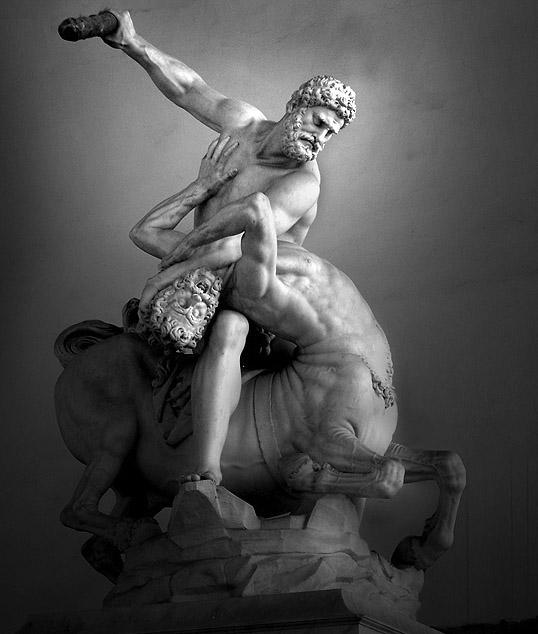
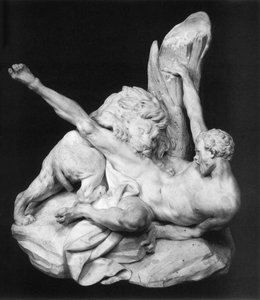
Hercules and the Centaur (also known as Hercules Beating Nessus)


 Read More
Purchase a high-resolution, enhanced digital image, far superior to the online preview.
Each file is meticulously prepared by our in-house specialists using advanced tools and expert manual retouching. We ensure every image has exceptional clarity, precise color accuracy, and fine detail.
The final file is delivered via email within 72 hours, optimized for immediate use in professional, editorial, and print environments. This is the same quality trusted by top-tier design studios, publishers, and galleries.
Digital Image
Download a high-resolution file for personal display, printing, and creative projects. ( Buy Print Buy Hand Made Painting)
Included in Every Digital Image Order
Expert Digital Delivery, Guaranteed
When you choose ArtsDot.com, you're not just getting an image - you're receiving a professionally enhanced digital artwork, crafted with precision and backed by a satisfaction guarantee. Here's everything that comes with your order, automatically:

Fast Email Delivery
Your high-resolution digital image file will be emailed to you within 72 hours of ordering - ready for immediate use.

AI-Enhanced Digital File
Your artwork is professionally optimized using advanced AI tools and manual editing, ensuring maximum detail, clarity, and color accuracy.

Free Lifetime Re-Delivery
Accidentally deleted or lost your file? No worries - we'll resend it to you anytime, free of charge.

No Import Fees - Ever
Enjoy your artwork instantly with zero customs, duties, or delivery fees - digital downloads are always tax-free.

Color Accuracy Guarantee
We ensure your digital image reflects the original colors as closely as possible using professional tools and color management.

60-Day Satisfaction Guarantee
If you're not satisfied with your digital image, we'll revise it or refund 100% within 60 days - no questions asked.

100% Money-Back Guarantee
Not satisfied? Get a full refund within 60 days of receiving your digital file - no questions asked.

Bulk Order Discounts
Buy 3 images, save 10% - Buy 5, save 15% - Buy 10+, save 20%. Great for creative projects, galleries, and agencies.
Related Artworks





Artist Biography
Giambologna (1529–1608): Sculptor of Dynamic Form
Jean Boulogne, known universally as Giambologna, stands as one of the most influential sculptors of the Italian Renaissance and Baroque periods. Born in Florence around 1529 – though precise birthdates remain elusive – he ascended to artistic prominence during a time when sculpture was undergoing a dramatic transformation, embracing dynamism and expressive emotion alongside classical ideals. His legacy continues to inspire artists today, cementing his place as a cornerstone of Western art history.- Early Life & Training: Giambologna’s formative years were spent in Florence under the tutelage of Domenico Ghirlandaio, a celebrated Mannerist painter who instilled in him a profound understanding of perspective and anatomical accuracy. This foundational training proved invaluable as he honed his skills and developed his distinctive style – characterized by monumental scale and masterful manipulation of bronze and marble.
- The Florentine Workshop & Artistic Breakthrough: By the mid-1560s, Giambologna established a prolific workshop in Florence, attracting talented assistants and producing an astonishing array of sculptures. It was during this period that he achieved his artistic breakthrough with works like “Apollo Belvedere,” a rediscovered Roman statue that captivated European audiences and served as a model for generations of sculptors. This success propelled him to international acclaim.
Mannerist Style & Anatomical Mastery
Giambologna’s artistic vision was firmly rooted in the Mannerist movement, which reacted against the harmonious balance of High Renaissance sculpture. Mannerists deliberately distorted proportions and employed unsettling poses to convey psychological complexity – a departure from the serene beauty favored by Raphael and Michelangelo. Giambologna's sculptures frequently depict figures caught in moments of intense emotion or struggle, reflecting the anxieties and uncertainties of his era. Crucially, he possessed an unparalleled mastery of anatomy, meticulously studying human musculature and skeletal structure to achieve breathtaking realism.- Notable Anatomical Studies: Giambologna undertook extensive anatomical dissections – a controversial practice at the time – to gain firsthand knowledge of human physiology. These studies informed his sculptures with astonishing accuracy, capturing subtle nuances of movement and expression that surpassed anything achieved by his contemporaries.
Major Achievements & Patronage
Giambologna’s career spanned decades and yielded an unparalleled output of monumental sculptures commissioned by influential patrons – primarily the Medici family in Florence. Among his most celebrated achievements are “Mercury,” a bronze statue depicting Hermes delivering Zeus's thunderbolt, which embodies both intellectual prowess and divine power; "The Rape of the Sabine Women," a dramatic marble sculpture portraying Lucius Tarquinius Superbus’s abduction of Roman noblewomen – a poignant commentary on political oppression and human vulnerability; and “Saint Bartholomew,” a monumental bronze figure conveying profound spiritual contemplation.- Commissioned Works & Artistic Influence: These commissions solidified Giambologna's reputation as Florence’s premier sculptor and established him as a dominant force in European art. His sculptures profoundly impacted Baroque artists, who adopted his dynamic style and anatomical precision to create masterpieces of grandeur and emotional intensity.
Legacy & Historical Significance
Giambologna died in Rome in 1608, leaving behind an enduring legacy that continues to resonate throughout art history. His sculptures exemplify the culmination of Renaissance artistic ideals – blending classical beauty with psychological depth and expressive emotion. He remains a testament to the transformative power of observation, anatomical study, and unwavering dedication to craftmanship. Giambologna’s influence extends far beyond his own lifetime, shaping the aesthetic sensibilities of subsequent generations and securing his place as one of the greatest sculptors of all time.
jean boulogne
1529 - 1608
Quick Facts
- Artistic Movement Or Style: Mannerist sculpture
- Artists Or Movements Influenced By This Artist: ['Baroque']
- Artists Who Influenced This Artist: ['Michelangelo']
- Date Of Birth: 1529
- Date Of Death: 1608
- Full Name: Jean Boulogne
- Nationality: Italian
- Notable Artworks: ['Mercury and The Rape of the Sabines']
- Place Of Birth: Florence, Italy

