 Preview
 Send
Send Share
Share
 Details

 Download
 Similars
 X-Ray
X-Ray Diaporama
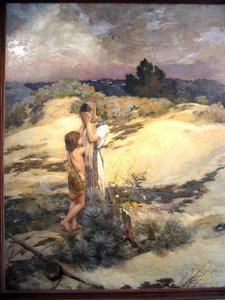
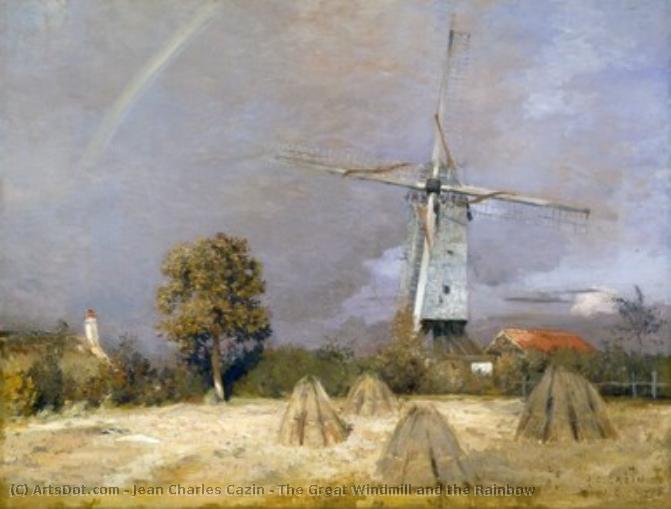
The Great Windmill and the Rainbow
 1888
1888 127.0 x 155.0 cm
 Read More
Hand Made Oil Reproduction
Hand-painted oil on canvas in your size and frame, made to order by our artists. ( Buy Print Buy Image)




































Pick from our preset sizes that match the artwork's original proportions.

You may enter your own dimensions to fit a specific frame or space. If your selected size does not match the original image's proportions, we will either crop the artwork or extend the painting with additional hand-painted elements. A digital mockup will be sent for your approval before production begins.
Please note that the on-screen preview does not reflect the actual cropping or extension. Only the mockup will accurately show the final composition.
While custom sizes are available, we recommend selecting a dimension from the predefined list to preserve the original proportions.
After order, ArtsDot.com team will email client for instructions and provide a mockup preview
Worldwide Delivery () in 3/4 weeks instead of standard 5 weeks. (21 August). No compromise on quality.

Free Worldwide Express Shipping

High-Quality Linen Canvas

Full Shipping Insurance

Customs Tax Refund Guarantee

True Color Matching Guarantee

60-Day Return Policy (Defects Only)

100% Money-Back Guarantee

Bulk Discount Offer
 Glass option is only available in size under 110 CM

The Great Windmill and the Rainbow
Reproduction Medium
Reproduction Size
-


Total Price
$ 263
Related Artworks









Artist Biography
Pierre-Auguste Renoir: A Celebration of Light and Life
Pierre-Auguste Renoir, born in Limoges on February 25th, 1841, stands as one of the most beloved figures of the Impressionist movement. His life was a vibrant tapestry woven with artistic passion, personal relationships, and a relentless pursuit of capturing the ephemeral beauty of everyday moments. From humble beginnings as an apprentice to a porcelain painter, Renoir’s journey led him to Paris, where he immersed himself in the burgeoning art scene and ultimately redefined how artists perceived and represented the world around them. His legacy endures not just through his iconic paintings but also through his embodiment of joie de vivre – a celebration of beauty, pleasure, and the simple joys of life.Early Years and Artistic Foundations
Renoir’s early years were marked by a practical apprenticeship, learning the craft of decorative painting from his father, who ran a silk-printing workshop. This experience instilled in him an appreciation for color and design, foundational elements that would later inform his artistic style. However, it was his encounter with Alfred Bruyas, a passionate collector and amateur painter, that truly ignited his artistic spark. Bruyas introduced Renoir to the works of Courbet and other revolutionary artists challenging academic conventions, exposing him to new approaches to depicting light, color, and form. He then secured an apprenticeship at Gleyre’s studio, alongside future Impressionist luminaries like Monet, Sisley, and Bazille, absorbing their techniques and developing a shared vision for capturing the fleeting effects of natural light. This formative period laid the groundwork for his distinctive style – characterized by loose brushstrokes, vibrant colors, and a focus on depicting scenes of leisure and social interaction.The Impressionist Years: Capturing Fleeting Moments
Renoir’s artistic development truly blossomed during the 1870s, aligning with the rise of Impressionism. He participated in all four of the group's official exhibitions, showcasing works like *Le Moulin de la Galette* (1876), a joyous depiction of Parisian life at a popular dance hall. This painting exemplifies his signature style – capturing not just the subject matter but also the atmosphere and mood of the scene through dappled light and vibrant colors. He moved away from the dark, brooding tones favored by earlier Realist painters, embracing instead a brighter palette and a focus on depicting scenes of everyday life: picnics, dances, social gatherings, and portraits of women. His work with Claude Monet during this period was particularly influential, as they explored new techniques for capturing light and color outdoors – a practice that would become central to the Impressionist movement. Renoir’s ability to convey emotion through subtle shifts in tone and brushwork cemented his place among the most important artists of the era.Evolution and Late Style: From Parisian Charm to Mediterranean Light
As Renoir matured, his style underwent a gradual evolution. Influenced by his visit to Italy in 1881, he began to incorporate elements of classical art into his work, particularly the influence of Raphael and Pompeian frescoes. He moved away from the purely Impressionistic focus on capturing fleeting moments and developed a more polished, linear style, evident in paintings like *Bal au moulin de la Galette* (1876) and *La Loge* (1883). Later in his career, Renoir sought refuge from the bustling Parisian scene, spending significant time in Cagnes-sur-Mer on the French Riviera. This move brought him into contact with Paul Cézanne, who encouraged him to explore new approaches to modeling and form. The warm light and vibrant colors of the Mediterranean landscape profoundly influenced his later works, resulting in a more rounded, sensual style characterized by rich hues and expressive brushwork. His final paintings, such as *Bathers at La Garenne* (1918-1920), demonstrate this mature style – capturing the beauty of the human form bathed in golden light.Legacy and Historical Significance
Pierre-Auguste Renoir’s impact on the art world is undeniable. He not only played a pivotal role in shaping the Impressionist movement but also influenced generations of artists who followed. His celebration of beauty, his focus on capturing the joy of life, and his innovative use of color and light continue to resonate with audiences today. His paintings are housed in major museums worldwide, including the Musée d'Orsay in Paris and the National Gallery in London, testament to their enduring appeal. Beyond his artistic achievements, Renoir’s life itself became a symbol of artistic freedom and personal expression – an embodiment of the spirit of the Impressionist movement. He died on December 3rd, 1919, leaving behind a rich legacy of paintings that continue to inspire and delight viewers with their luminous beauty and timeless charm.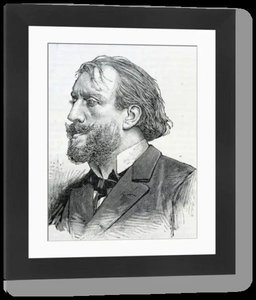
jean charles cazin
1841 - 1901 , France
Quick Facts
- Artistic Movement Or Style: Impressionism
- Artists Or Movements Influenced By This Artist:
- Monet
- Sisley
- Artists Who Influenced This Artist:
- Courbet
- Delacroix
- Date Of Birth: February 25, 1841
- Date Of Death: December 3, 1919
- Full Name: Pierre-Auguste Renoir
- Nationality: French
- Notable Artworks:
- Dance at Le Moulin de la Galette
- Bal du moulin de la Galette
- Luncheon of the Boating Party
- The Girls in Tuileries
- Rêverie
- Place Of Birth: Limoges, France