 Preview
 Send
Send Share
Share
 Details

 Download
 Similars
 X-Ray
X-Ray Diaporama
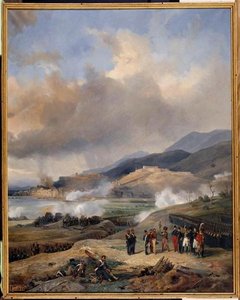
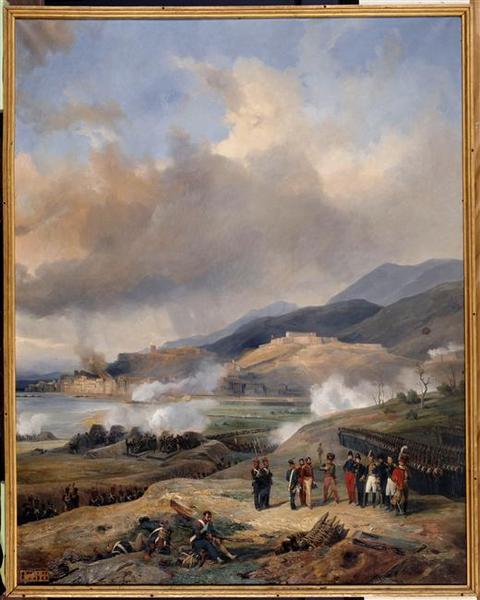
Reddition de Tortosa, 2 janvier 1811

 Read More
Hand Made Oil Reproduction
Hand-painted oil on canvas in your size and frame, made to order by our artists. ( Buy Print Buy Image)




































Pick from our preset sizes that match the artwork's original proportions.

You may enter your own dimensions to fit a specific frame or space. If your selected size does not match the original image's proportions, we will either crop the artwork or extend the painting with additional hand-painted elements. A digital mockup will be sent for your approval before production begins.
Please note that the on-screen preview does not reflect the actual cropping or extension. Only the mockup will accurately show the final composition.
While custom sizes are available, we recommend selecting a dimension from the predefined list to preserve the original proportions.
After order, ArtsDot.com team will email client for instructions and provide a mockup preview
Worldwide Delivery () in 3/4 weeks instead of standard 5 weeks. (21 August). No compromise on quality.

Free Worldwide Express Shipping

High-Quality Linen Canvas

Full Shipping Insurance

Customs Tax Refund Guarantee

True Color Matching Guarantee

60-Day Return Policy (Defects Only)

100% Money-Back Guarantee

Bulk Discount Offer
 Glass option is only available in size under 110 CM

Reddition de Tortosa, 2 janvier 1811
Reproduction Medium
Reproduction Size
-


Total Price
$ 438
Related Artworks










Artist Biography
Jean-Charles Rémond: Painter of Romantic Landscapes
Jean-Charles Joseph Rémond (1795 – 1875) stands as a prominent figure in French landscape history painting, embodying the spirit of Romanticism and capturing the grandeur of natural vistas with meticulous detail. Born in Paris, he benefited from a privileged upbringing that fostered artistic inclinations early on, ultimately shaping him into one of his era’s most respected artists. His formative years were marked by instruction under luminaries like Jean-Victor Bertin and Jean-Baptiste Regnault, establishing a foundation for his distinctive style—characterized by luminous color palettes and an unwavering commitment to portraying the sublime beauty of the outdoors.- Early Life & Education: Rémond’s artistic journey commenced with formal training at the École Royale Supérieure des Beaux-Arts in Paris, where he honed his skills alongside fellow artists destined for acclaim. This rigorous academic environment instilled in him a disciplined approach to observation and representation, crucial elements that would permeate his subsequent oeuvre.
- Prix de Rome & Artistic Style: A pivotal moment arrived when Rémond secured the prestigious Prix de Rome award in 1821—a competition designed to nurture talent and propel young artists toward artistic excellence. This honor afforded him invaluable opportunities for travel and study in Italy, immersing him in the artistic traditions of antiquity and informing his stylistic sensibilities.
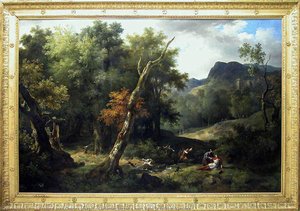
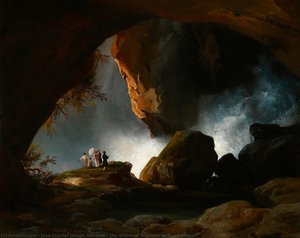
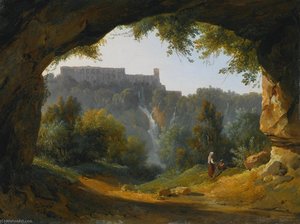
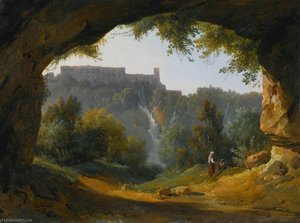
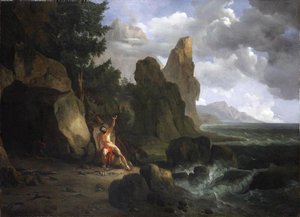
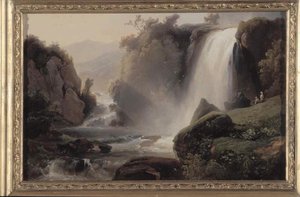
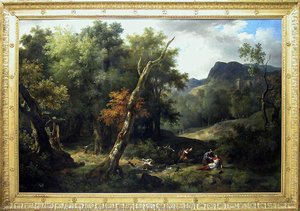
- Notable Works: Rémond’s artistic output spanned decades, producing numerous landscapes that exemplify the Romantic aesthetic. Among his most celebrated paintings are “The Grotto of Neptune at Tivoli,” a masterful depiction of the Roman villa’s spectacular grotto—a testament to his ability to convey atmospheric depth and textural richness—and “Carloman blessé à mort dans la forêt d’Yvelines,” an emotionally charged scene capturing the solemn beauty of a woodland landscape.
- Influence & Legacy: Rémond's work resonated deeply with contemporaries, establishing him as a champion of Romantic ideals – emotion, imagination, and reverence for nature—and securing his place within the canon of French art history. His meticulous technique and expressive use of color continue to inspire artists today, demonstrating the enduring power of Romantic landscape painting.
Exploring Rémond’s Artistic Vision: Techniques & Inspirations
Rémond's artistic approach was rooted in a profound understanding of scientific observation combined with an intuitive grasp of artistic expression. Like many artists of his time, he meticulously studied geological formations and atmospheric phenomena—drawing inspiration from the writings of Alexandre Humboldt and Johann Wolfgang von Goethe—to accurately represent the complexities of natural environments. His canvases pulsate with vibrant hues achieved through layering glazes—a technique perfected by Regnault—creating an illusion of depth and luminosity that captures the essence of sunlight filtering through foliage or reflecting off cascading waterfalls.- Glazing Technique: Rémond’s masterful glazing technique involved applying thin, translucent layers of pigment over previously painted surfaces, gradually building up color intensity and achieving remarkable tonal gradations. This method—inherited from Regnault—allowed him to simulate the effects of light and shadow with unparalleled realism.
- Color Palette: Rémond favored a palette dominated by blues, greens, and yellows—colors that evoked the serenity and majesty of mountainous landscapes or the verdant splendor of riverside meadows. He skillfully blended hues to create harmonious compositions that conveyed both visual beauty and emotional resonance.
- Romantic Ideals: Influenced by the philosophical currents of his era, Rémond embraced Romantic ideals – particularly the sublime—believing that art should inspire awe and contemplation before the grandeur of nature. His paintings served as vehicles for conveying profound emotions—such as sorrow, joy, and wonder—reflecting the Romantic preoccupation with subjective experience.
Rémond’s Contribution to Château de Fontainebleau & Landscape Art History
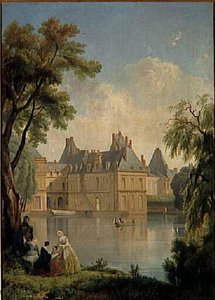
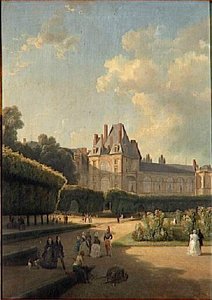
Jean-Charles Rémond's artistic legacy extends beyond his individual paintings; he played a significant role in shaping the aesthetic sensibilities of Château de Fontainebleau—a UNESCO World Heritage site and former royal residence—where his landscapes adorn prominent halls, offering visitors glimpses into the splendor of Napoleon I’s reign. His canvases exemplify the Romantic movement’s fascination with historical grandeur and contribute to the museum's narrative of artistic patronage during the Napoleonic era. Furthermore, Rémond stands as a cornerstone in landscape art history, demonstrating how artists can translate scientific observation into emotive visual representations—a tradition that continues to inspire painters worldwide.Further Resources
- The Grotto of Neptune at Tivoli: Explore this stunning artwork!
- Carloman blessé à mort dans la forêt d’Yvelines: Discover this evocative painting!
- RÉMOND, Jean-Charles-Joseph: Learn more about his biography.
jean charles joseph rémond
1795 - 1875
Quick Facts
- Artistic Movement Or Style: Romantic Landscape
- Artists Or Movements Influenced By This Artist: ['Romanticism']
- Artists Who Influenced This Artist:
- Jean-Victor Bertin
- Jean-Baptiste Regnault
- Date Of Birth: 1795
- Full Name: Jean-Charles Joseph Rémond
- Nationality: French
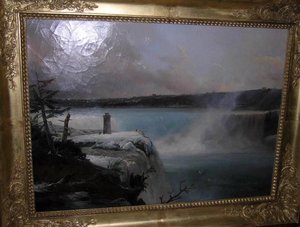
- Notable Artworks: ['Niagara & Fontainebleau']
- Place Of Birth: Paris, France