

 Preview
 Send
Send Share
Share
 Details

 Download
 Similars
 X-Ray
X-Ray Diaporama
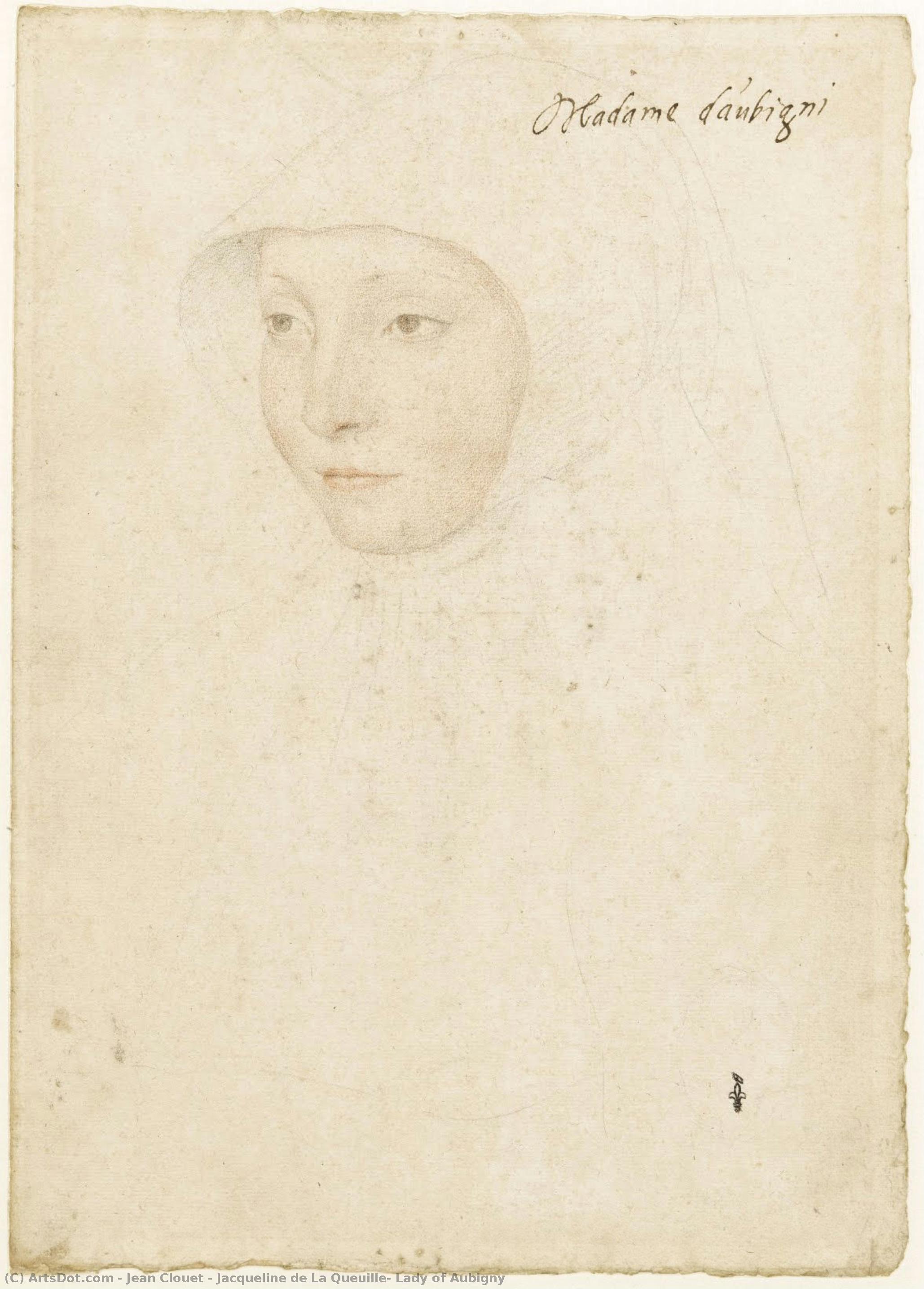
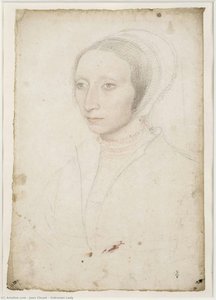
Jacqueline de La Queuille, Lady of Aubigny


 Read More
Purchase a high-resolution, enhanced digital image, far superior to the online preview.
Each file is meticulously prepared by our in-house specialists using advanced tools and expert manual retouching. We ensure every image has exceptional clarity, precise color accuracy, and fine detail.
The final file is delivered via email within 72 hours, optimized for immediate use in professional, editorial, and print environments. This is the same quality trusted by top-tier design studios, publishers, and galleries.
Digital Image
Download a high-resolution file for personal display, printing, and creative projects. ( Buy Print Buy Hand Made Painting)
Included in Every Digital Image Order
Expert Digital Delivery, Guaranteed
When you choose ArtsDot.com, you're not just getting an image - you're receiving a professionally enhanced digital artwork, crafted with precision and backed by a satisfaction guarantee. Here's everything that comes with your order, automatically:

Fast Email Delivery
Your high-resolution digital image file will be emailed to you within 72 hours of ordering - ready for immediate use.

AI-Enhanced Digital File
Your artwork is professionally optimized using advanced AI tools and manual editing, ensuring maximum detail, clarity, and color accuracy.

Free Lifetime Re-Delivery
Accidentally deleted or lost your file? No worries - we'll resend it to you anytime, free of charge.

No Import Fees - Ever
Enjoy your artwork instantly with zero customs, duties, or delivery fees - digital downloads are always tax-free.

Color Accuracy Guarantee
We ensure your digital image reflects the original colors as closely as possible using professional tools and color management.

60-Day Satisfaction Guarantee
If you're not satisfied with your digital image, we'll revise it or refund 100% within 60 days - no questions asked.

100% Money-Back Guarantee
Not satisfied? Get a full refund within 60 days of receiving your digital file - no questions asked.

Bulk Order Discounts
Buy 3 images, save 10% - Buy 5, save 15% - Buy 10+, save 20%. Great for creative projects, galleries, and agencies.
Collectible Description
The Enigmatic Beauty: Jean Clouet’s “Jacqueline de La Queuille, Lady of Aubigny”
Jean Clouet's "Jacqueline de La Queuille, Lady of Aubigny," painted circa 1535, is more than a simple portrait; it’s a meticulously crafted window into the refined world of 16th-century French courtly life. The painting captures a woman of quiet dignity and subtle grace – a lady in her own right, embodying both elegance and an unspoken introspection. Clouet, a master of his craft within the service of Francis I, doesn’t offer a grand spectacle but rather a deeply intimate portrayal, revealing layers of personality through careful observation and masterful technique.
The subject herself, Jacqueline de La Queuille, was a significant figure in her time. She served as a dame d'honneur – a lady-in-waiting – to Louise de Savoie, later Queen Eleanor of France, and subsequently held that position for the queen herself. This elevated status demanded not only beauty but also an understanding of courtly etiquette and a certain degree of political acumen. Clouet’s portrait speaks volumes about her position within this complex social hierarchy.
A Study in Flemish Detail: Technique and Materials
Clouet's skill lies primarily in his meticulous attention to detail, a hallmark inherited from his likely training in the Netherlands – a region renowned for its artistic precision. The painting is executed almost entirely in black chalk and sanguine (red) chalk, a technique that allowed for incredible subtlety and control. The artist’s use of *pointillé*—a dense network of tiny dots—creates an astonishingly realistic depiction of texture, particularly evident in the folds of her dress and the delicate sheen of her hair. The layering of these thin lines, built up over time, gives the image a remarkable depth and luminosity.
Notice the careful rendering of light and shadow – Clouet masterfully employs chiaroscuro to sculpt the figure’s face and body, drawing attention to key features while maintaining an overall sense of atmospheric perspective. The background is deliberately blurred, directing the viewer's gaze entirely upon Jacqueline’s serene expression and the richness of her attire.
Symbolism and Courtly Significance
Beyond its technical brilliance, the portrait is laden with symbolic meaning. Jacqueline’s veiled head speaks to a sense of modesty and reverence – a common attribute for women of noble birth in this era. The white dress, a symbol of purity and virtue, further reinforces her status as an ideal woman. Her downward gaze suggests contemplation or perhaps a moment of private reflection, hinting at the complexities beneath her composed exterior.
The portrait’s creation coincided with a period of intense artistic patronage by Francis I, who sought to elevate French art to rival that of Italy. Clouet's work exemplifies this ambition, showcasing the refined tastes and sophisticated sensibilities of the French court. The fact that he was commissioned to paint such a prominent figure underscores his importance within the royal circle.
A Legacy of Elegance: Reproduction and Interpretation
Reproductions of “Jacqueline de La Queuille, Lady of Aubigny” offer a remarkable opportunity to experience the artistry of Jean Clouet firsthand. The delicate nuances of color and texture, so painstakingly rendered in chalk, are faithfully reproduced in high-quality prints. This piece serves as a testament to the enduring appeal of Renaissance portraiture – its ability to capture not only physical likeness but also the essence of human character and the spirit of an age.
Related Artworks
Artist Biography
A Courtly Hand: The Life and Art of Jean Clouet
Jean Clouet, a name whispered with reverence among connoisseurs of the French Renaissance, remains an enigmatic figure despite his profound impact on portraiture. Born around 1480, likely in Brussels within the Low Countries—though definitive records are scarce—Clouet’s artistic journey led him to become one of the most sought-after painters at the court of Francis I. His origins are shrouded in some mystery; while “Clouet” may not have been his birth name, it became synonymous with a distinctive style that captured the essence of an era defined by elegance and burgeoning humanism. The early influences shaping Clouet’s artistic vision remain somewhat speculative, yet the hallmarks of Flemish training—a meticulous attention to detail, subtle modeling, and a refined sense of realism—are undeniably present in his work. It's believed he may have been connected to a family of artists already established in Brussels, further solidifying the foundations of his technical skill.Ascension at the French Court
Clouet’s arrival at the French court around 1516 marked a turning point not only in his career but also in the evolution of royal portraiture. Francis I, a passionate patron of the arts and a monarch determined to emulate the Italian Renaissance courts, recognized Clouet's exceptional talent immediately. Unlike previous court painters who often focused on grand historical narratives or religious scenes, Clouet specialized in capturing the likenesses of those within the king’s inner circle—nobles, courtiers, and members of the royal family. He wasn’t merely recording features; he was delving into character, conveying personality through subtle nuances of expression and posture. This shift towards psychological insight set his work apart. Appointed as painter and wardrobe valet, then progressing to more prestigious positions, Clouet enjoyed a level of favor rarely granted to artists of the time, receiving a salary comparable to that of esteemed surgeons—a testament to Francis I’s high regard for his abilities. He established himself in Tours initially before relocating with the court to Fontainebleau, becoming an integral part of the vibrant artistic atmosphere fostered by the king.The Art of Likeness: Technique and Style
Jean Clouet's mastery lay not in flamboyant displays of color or dramatic compositions but in a quiet, understated elegance. He favored drawing as his primary medium, particularly utilizing black and red chalk on paper. These drawings weren’t preliminary sketches; they were often finished works in themselves, prized for their delicate lines, subtle shading, and remarkable ability to capture the sitter's individual character. His technique involved a meticulous layering of strokes, building up form with incredible precision. When working in paint—often employing oil on panel—he maintained this same level of refinement, creating portraits that were both realistic and idealized. He possessed an uncanny ability to convey texture – the sheen of silk, the weight of velvet, the delicate softness of skin – adding another layer of verisimilitude to his work. While influenced by Italian Renaissance masters whose works Francis I avidly collected, Clouet’s style remained distinctly French, characterized by a certain restraint and an emphasis on capturing inner life rather than outward grandeur.Legacy and Enduring Influence
Though Jean Clouet died around 1541 in Paris, his artistic legacy extended far beyond his lifetime. His son, François Clouet, continued the family tradition, inheriting both his father’s skill and his position at court. Together, they established a dynasty of portraitists who shaped the visual image of the French Renaissance for generations. The rediscovery of Clouet's extensive collection of drawings in the 19th century—many held within the collections of Musée Condé in Chantilly—sparked renewed interest in his work and cemented his place as a pivotal figure in art history. His influence can be seen in the works of later portraitists who sought to emulate his ability to capture not just physical likeness but also the inner essence of their subjects. The portraits attributed to Clouet offer a unique window into the world of the French court, providing invaluable insights into the personalities and power dynamics of the era. His drawings remain treasured possessions in museums worldwide, continuing to captivate viewers with their beauty, subtlety, and enduring psychological depth. Jean Clouet’s art is a testament to the power of observation, the skill of draftsmanship, and the timeless appeal of capturing the human spirit on paper and canvas.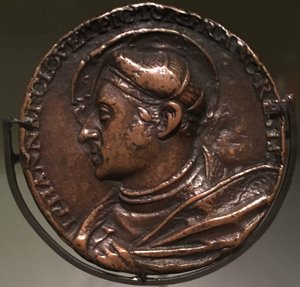
Jean Clouet
1480 - 1541 , Belgium
Quick Facts
- Artistic Movement Or Style: Renaissance portraiture
- Artists Or Movements Influenced By This Artist: ['François Clouet']
- Date Of Birth: 1480
- Date Of Death: 1541
- Full Name: Jean Clouet
- Nationality: French
- Notable Artworks:
- A Forest Pool
- Lamentation
- The Lovers
- Portrait of Francis I
- Marguerite of France
- Place Of Birth: Brussels, Belgium

