

 Preview
 Send
Send Share
Share
 Details

 Download
 Similars
 X-Ray
X-Ray Diaporama
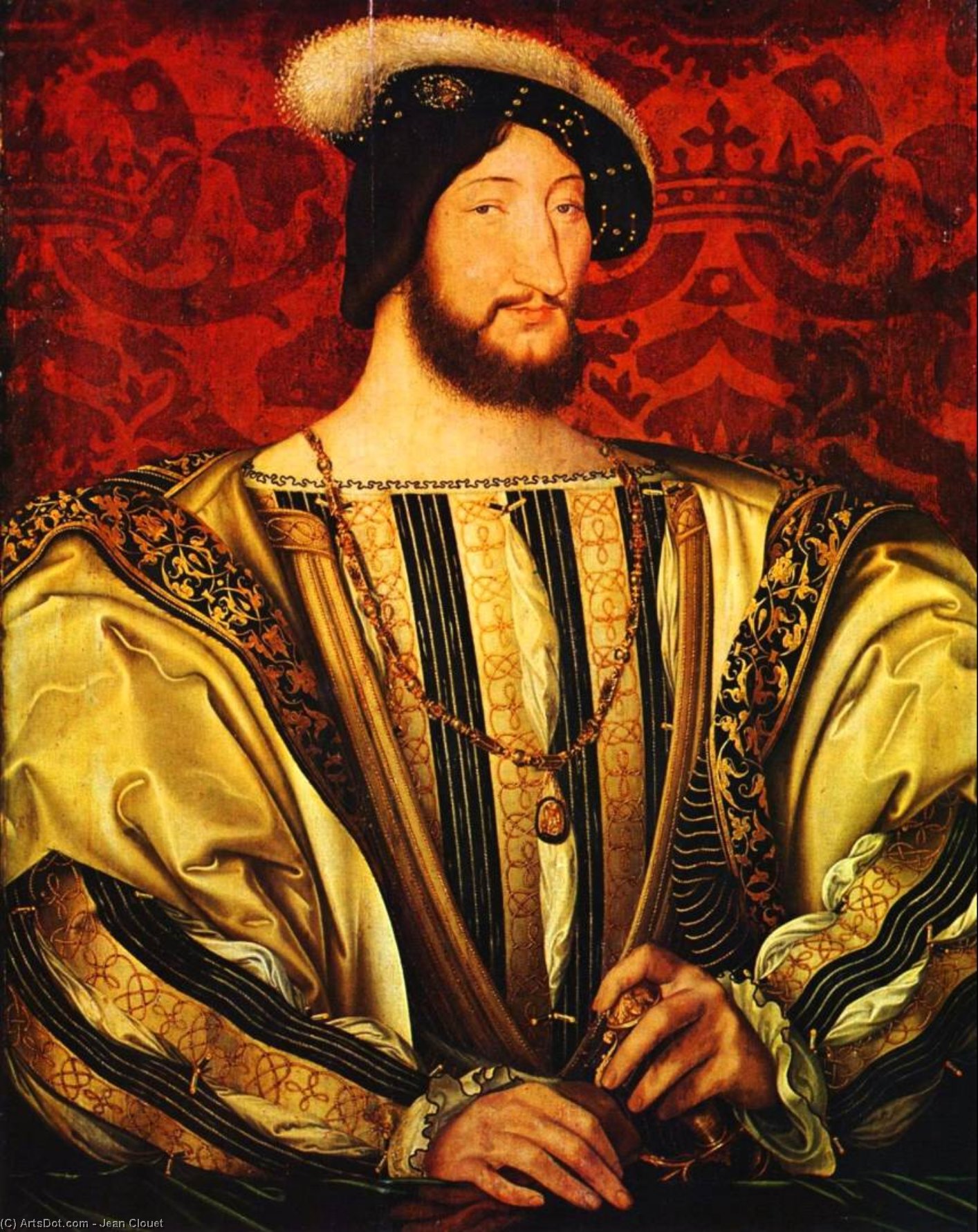
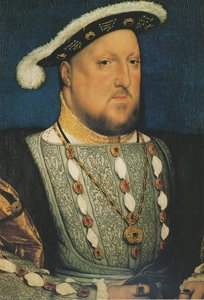
Portrait of Francis I


 Read More
Purchase a high-resolution, enhanced digital image, far superior to the online preview.
Each file is meticulously prepared by our in-house specialists using advanced tools and expert manual retouching. We ensure every image has exceptional clarity, precise color accuracy, and fine detail.
The final file is delivered via email within 72 hours, optimized for immediate use in professional, editorial, and print environments. This is the same quality trusted by top-tier design studios, publishers, and galleries.
Digital Image
Download a high-resolution file for personal display, printing, and creative projects. ( Buy Print Buy Hand Made Painting)
Included in Every Digital Image Order
Expert Digital Delivery, Guaranteed
When you choose ArtsDot.com, you're not just getting an image - you're receiving a professionally enhanced digital artwork, crafted with precision and backed by a satisfaction guarantee. Here's everything that comes with your order, automatically:

Fast Email Delivery
Your high-resolution digital image file will be emailed to you within 72 hours of ordering - ready for immediate use.

AI-Enhanced Digital File
Your artwork is professionally optimized using advanced AI tools and manual editing, ensuring maximum detail, clarity, and color accuracy.

Free Lifetime Re-Delivery
Accidentally deleted or lost your file? No worries - we'll resend it to you anytime, free of charge.

No Import Fees - Ever
Enjoy your artwork instantly with zero customs, duties, or delivery fees - digital downloads are always tax-free.

Color Accuracy Guarantee
We ensure your digital image reflects the original colors as closely as possible using professional tools and color management.

60-Day Satisfaction Guarantee
If you're not satisfied with your digital image, we'll revise it or refund 100% within 60 days - no questions asked.

100% Money-Back Guarantee
Not satisfied? Get a full refund within 60 days of receiving your digital file - no questions asked.

Bulk Order Discounts
Buy 3 images, save 10% - Buy 5, save 15% - Buy 10+, save 20%. Great for creative projects, galleries, and agencies.
Collectible Description
The Majesty of a King: Jean Clouet’s Portrait of Francis I
Jean Clouet's 1525-30 “Portrait of Francis I” is more than just a royal likeness; it’s a meticulously crafted embodiment of the French Renaissance at its zenith. Housed within the hallowed halls of the Louvre, this oil on panel painting transcends mere portraiture, offering a profound glimpse into the character and ambitions of King Francis I himself. Clouet, a master of courtly art, doesn't simply depict a monarch; he constructs an image of power, intellect, and humanist ideals – a testament to his unparalleled skill in capturing the essence of his subjects.
The painting immediately commands attention with its rich palette and masterful use of light and shadow. The crimson and gold brocade backdrop, a hallmark of royal splendor, serves as a dramatic stage for the king’s presence. Clouet's meticulous attention to detail is evident in every aspect – from the intricate folds of Francis’s velvet doublet to the subtle modeling of his face, conveying both authority and a hint of contemplative wisdom. The artist skillfully employs sfumato techniques, creating an atmospheric depth that draws the viewer into the scene.
A Royal Portrait: Context and Symbolism
To fully appreciate “Portrait of Francis I,” it’s crucial to understand its historical context. The painting was created during a period of immense cultural and political transformation in France, as the Renaissance ideals of humanism, art, and learning began to take root. Francis I, a fervent patron of the arts, actively sought to emulate the artistic achievements of Italy, inviting Leonardo da Vinci, Michelangelo, and other leading artists to work at his court. This influx of Italian influence profoundly shaped French art and culture.
The symbolism woven throughout the portrait is equally significant. The scepter and crown, prominently displayed, represent Francis’s divine right to rule – a visual assertion of his authority and power. The medal bearing Saint Michael, a symbol of victory over evil, underscores the king's role as protector of France. Even the careful arrangement of objects on the table—a book, gloves, and a sword—holds symbolic weight, reflecting Francis’s intellectual pursuits, refined manners, and martial prowess. The inclusion of the fleur-de-lis, the emblem of French royalty, further reinforces his status.
The Technique: A Masterclass in Renaissance Portraiture
Clouet's technical skill is truly remarkable. He demonstrates a deep understanding of oil painting techniques, utilizing layering and glazing to achieve incredible luminosity and depth. The subtle gradations of color create a sense of realism that was groundbreaking for its time. Notably, Clouet’s use of chalk in conjunction with oil paints allowed him to build up incredibly fine details – particularly evident in the rendering of Francis's facial features and the intricate patterns on his clothing. This combination of media produced a surface quality that is both smooth and remarkably tactile.
Furthermore, Clouet’s ability to capture the psychological depth of his subject is exceptional. Francis I isn’t merely presented as a regal figure; he possesses an air of intelligence, confidence, and perhaps even melancholy. The slight furrow in his brow, the direct gaze, and the subtle hint of a smile all contribute to this compelling portrayal of human character.
A Legacy Endures: Reproductions and Appreciation
Today, “Portrait of Francis I” remains one of the most celebrated works of the French Renaissance. ArtsDot offers meticulously crafted oil painting reproductions that faithfully capture the artistry and spirit of Clouet’s original masterpiece. These reproductions are created using traditional techniques and high-quality materials, ensuring they stand as enduring tributes to a remarkable artist and a pivotal moment in art history. Owning a reproduction allows you to bring this iconic portrait into your home or office, celebrating the beauty and sophistication of the Renaissance era.
Related Artworks
![Legend Of St Francis - [02] - St Francis Giving His Mantle To A Poor Man — Giotto Di Bondone, Gothic](/media/artworks/images-thumb/1f/84/1f842a0319a02eaaa27d431c94a53fd1.jpg)

![Legend Of St Francis - [23] - St Francis Mourned By St Clare — Giotto Di Bondone, Gothic](/media/artworks/images-thumb/17/1c/171c284c41dc3ef8bca83e51c1e1e531.jpg)
![Legend Of St Francis - [08] - Vision Of The Flaming Chariot — Giotto Di Bondone, Gothic And Proto-renaissance](/media/artworks/images-thumb/65/6e/656e345ff55e49ce2e4377a050b85aa1.jpg)
Artist Biography
A Courtly Hand: The Life and Art of Jean Clouet
Jean Clouet, a name whispered with reverence among connoisseurs of the French Renaissance, remains an enigmatic figure despite his profound impact on portraiture. Born around 1480, likely in Brussels within the Low Countries—though definitive records are scarce—Clouet’s artistic journey led him to become one of the most sought-after painters at the court of Francis I. His origins are shrouded in some mystery; while “Clouet” may not have been his birth name, it became synonymous with a distinctive style that captured the essence of an era defined by elegance and burgeoning humanism. The early influences shaping Clouet’s artistic vision remain somewhat speculative, yet the hallmarks of Flemish training—a meticulous attention to detail, subtle modeling, and a refined sense of realism—are undeniably present in his work. It's believed he may have been connected to a family of artists already established in Brussels, further solidifying the foundations of his technical skill.Ascension at the French Court
Clouet’s arrival at the French court around 1516 marked a turning point not only in his career but also in the evolution of royal portraiture. Francis I, a passionate patron of the arts and a monarch determined to emulate the Italian Renaissance courts, recognized Clouet's exceptional talent immediately. Unlike previous court painters who often focused on grand historical narratives or religious scenes, Clouet specialized in capturing the likenesses of those within the king’s inner circle—nobles, courtiers, and members of the royal family. He wasn’t merely recording features; he was delving into character, conveying personality through subtle nuances of expression and posture. This shift towards psychological insight set his work apart. Appointed as painter and wardrobe valet, then progressing to more prestigious positions, Clouet enjoyed a level of favor rarely granted to artists of the time, receiving a salary comparable to that of esteemed surgeons—a testament to Francis I’s high regard for his abilities. He established himself in Tours initially before relocating with the court to Fontainebleau, becoming an integral part of the vibrant artistic atmosphere fostered by the king.The Art of Likeness: Technique and Style
Jean Clouet's mastery lay not in flamboyant displays of color or dramatic compositions but in a quiet, understated elegance. He favored drawing as his primary medium, particularly utilizing black and red chalk on paper. These drawings weren’t preliminary sketches; they were often finished works in themselves, prized for their delicate lines, subtle shading, and remarkable ability to capture the sitter's individual character. His technique involved a meticulous layering of strokes, building up form with incredible precision. When working in paint—often employing oil on panel—he maintained this same level of refinement, creating portraits that were both realistic and idealized. He possessed an uncanny ability to convey texture – the sheen of silk, the weight of velvet, the delicate softness of skin – adding another layer of verisimilitude to his work. While influenced by Italian Renaissance masters whose works Francis I avidly collected, Clouet’s style remained distinctly French, characterized by a certain restraint and an emphasis on capturing inner life rather than outward grandeur.Legacy and Enduring Influence
Though Jean Clouet died around 1541 in Paris, his artistic legacy extended far beyond his lifetime. His son, François Clouet, continued the family tradition, inheriting both his father’s skill and his position at court. Together, they established a dynasty of portraitists who shaped the visual image of the French Renaissance for generations. The rediscovery of Clouet's extensive collection of drawings in the 19th century—many held within the collections of Musée Condé in Chantilly—sparked renewed interest in his work and cemented his place as a pivotal figure in art history. His influence can be seen in the works of later portraitists who sought to emulate his ability to capture not just physical likeness but also the inner essence of their subjects. The portraits attributed to Clouet offer a unique window into the world of the French court, providing invaluable insights into the personalities and power dynamics of the era. His drawings remain treasured possessions in museums worldwide, continuing to captivate viewers with their beauty, subtlety, and enduring psychological depth. Jean Clouet’s art is a testament to the power of observation, the skill of draftsmanship, and the timeless appeal of capturing the human spirit on paper and canvas.
Jean Clouet
1480 - 1541 , Belgium
Quick Facts
- Artistic Movement Or Style: Renaissance portraiture
- Artists Or Movements Influenced By This Artist: ['François Clouet']
- Date Of Birth: 1480
- Date Of Death: 1541
- Full Name: Jean Clouet
- Nationality: French
- Notable Artworks:
- A Forest Pool
- Lamentation
- The Lovers
- Portrait of Francis I
- Marguerite of France
- Place Of Birth: Brussels, Belgium

