 Preview
 Send
Send Share
Share
 Details

 Download
 Similars
 X-Ray
X-Ray Diaporama
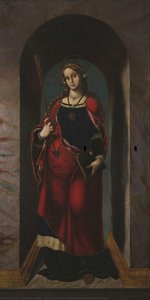
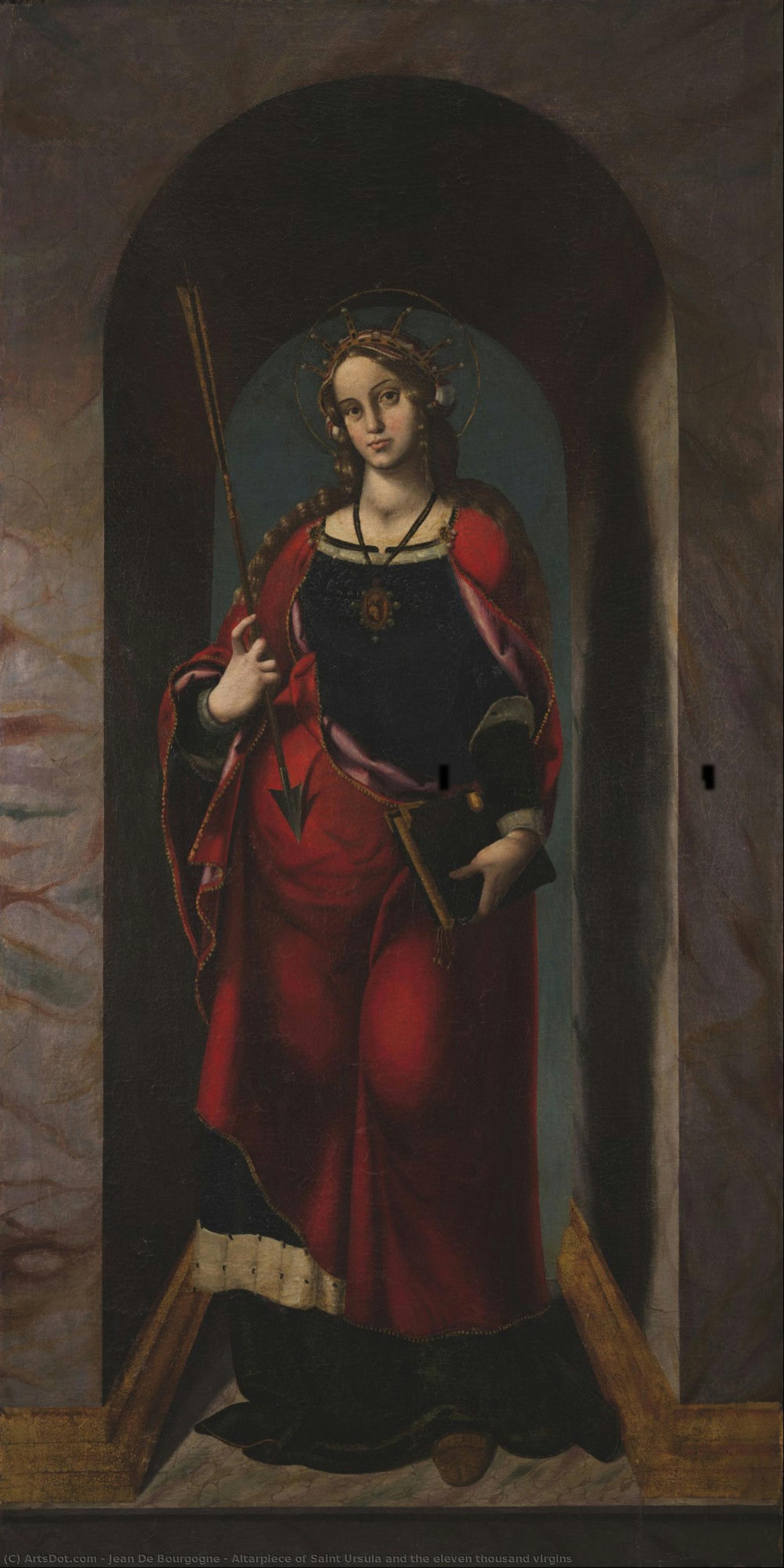
Altarpiece of Saint Ursula and the eleven thousand virgins
 197.0 x 93.0 cm
 Girona Art Museum
 Read More
Hand Made Oil Reproduction
Hand-painted oil on canvas in your size and frame, made to order by our artists. ( Buy Print Buy Image)




































Pick from our preset sizes that match the artwork's original proportions.

You may enter your own dimensions to fit a specific frame or space. If your selected size does not match the original image's proportions, we will either crop the artwork or extend the painting with additional hand-painted elements. A digital mockup will be sent for your approval before production begins.
Please note that the on-screen preview does not reflect the actual cropping or extension. Only the mockup will accurately show the final composition.
While custom sizes are available, we recommend selecting a dimension from the predefined list to preserve the original proportions.
After order, ArtsDot.com team will email client for instructions and provide a mockup preview
Worldwide Delivery () in 3/4 weeks instead of standard 5 weeks. (31 August). No compromise on quality.

Free Worldwide Express Shipping

High-Quality Linen Canvas

Full Shipping Insurance

Customs Tax Refund Guarantee

True Color Matching Guarantee

60-Day Return Policy (Defects Only)

100% Money-Back Guarantee

Bulk Discount Offer
 Glass option is only available in size under 110 CM

Altarpiece of Saint Ursula and the eleven thousand virgins
Reproduction Medium
Reproduction Size
-


Total Price
$ 263
Related Artworks






Artist Biography
The Messenger of the Renaissance
The arrival of Jean de Bourgogne in the sun-drenched streets of Toledo around 1494 marked a transformative moment in the evolution of Spanish art. Emerging from the Burgundian traditions of his birth, his presence brought a breath of fresh, Mediterranean air to the Castilian landscape, acting as a vital conduit between Northern sensibilities and the burgeoning humanism of the Italian Quattrocento. While the early years of his life remain partially veiled by the mists of history, his impact on the Iberian Peninsula was undeniably profound, signaling the dawn of a new aesthetic era.His journey from the fringes of Europe to the heart of Spain allowed him to weave together disparate artistic threads into a singular, cohesive vision. He did not merely bring pigments and brushes; he brought a new way of seeing—a method that would forever alter the religious and decorative landscape of the Spanish kingdoms.
A Fusion of Light and Line
The technical mastery of Jean de Bourgogne was characterized by an extraordinary ability to blend the structural clarity of Italian painting with a delicate, ornamental grace. There is a palpable connection to the great masters of the Italian Renaissance; whispers of training under legends such as Domenico Ghirlandaio lend weight to the idea that his brush was guided by the very essence of Florentine light and shadow. By introducing the sophisticated use of fresco, he infused Spanish altarpieces with a sense of permanence and atmospheric depth previously unseen in the region.His work often showcased a remarkable sculptural quality, where figures seemed to emerge from their backgrounds with a lifelike presence. This is particularly evident in his treatment of sacred subjects, such as:
- The Altarpiece of Saint Ursula and the eleven thousand virgins, where the divine is rendered through intricate ornamental details and a commanding sense of form.
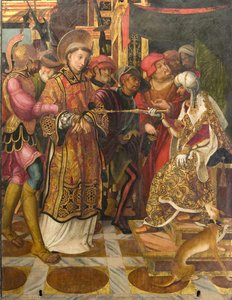
- The Sant Feliu and Rufinus Altarpiece, which demonstrates his ability to command large-scale religious narratives with balance and elegance.
A Legacy Etched in Devotion
Though his life reached its conclusion between 1533 and 1536, the echoes of Jean de Bourgogne’s artistry continue to resonate through the halls of Spanish art history. He was a pioneer who bridged the gap between the medieval devotion of the past and the sophisticated humanism of the future. His ability to adapt the Quattrocento style to the specific liturgical needs of the Spanish church ensured that his influence would persist long after his death.His legacy is not found merely in the surviving panels of altarpieces, but in the very foundation of the Spanish Renaissance. He taught a generation of artists how to capture the dignity of the human form and the ethereal beauty of the divine, leaving behind a trail of color and light that remains as captivating today as it was during his time in Toledo.
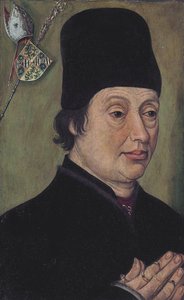
jean de bourgogne
1536 , France
Quick Facts
- Artistic Movement Or Style: World Goes Pop
- Date Of Death: 1536
- Notable Artworks:
- Evelyne Axell
- Joav BarEl
- Thomas Bayrle