 Preview
 Send
Send Share
Share
 Details

 Download
 Similars
 X-Ray
X-Ray Diaporama
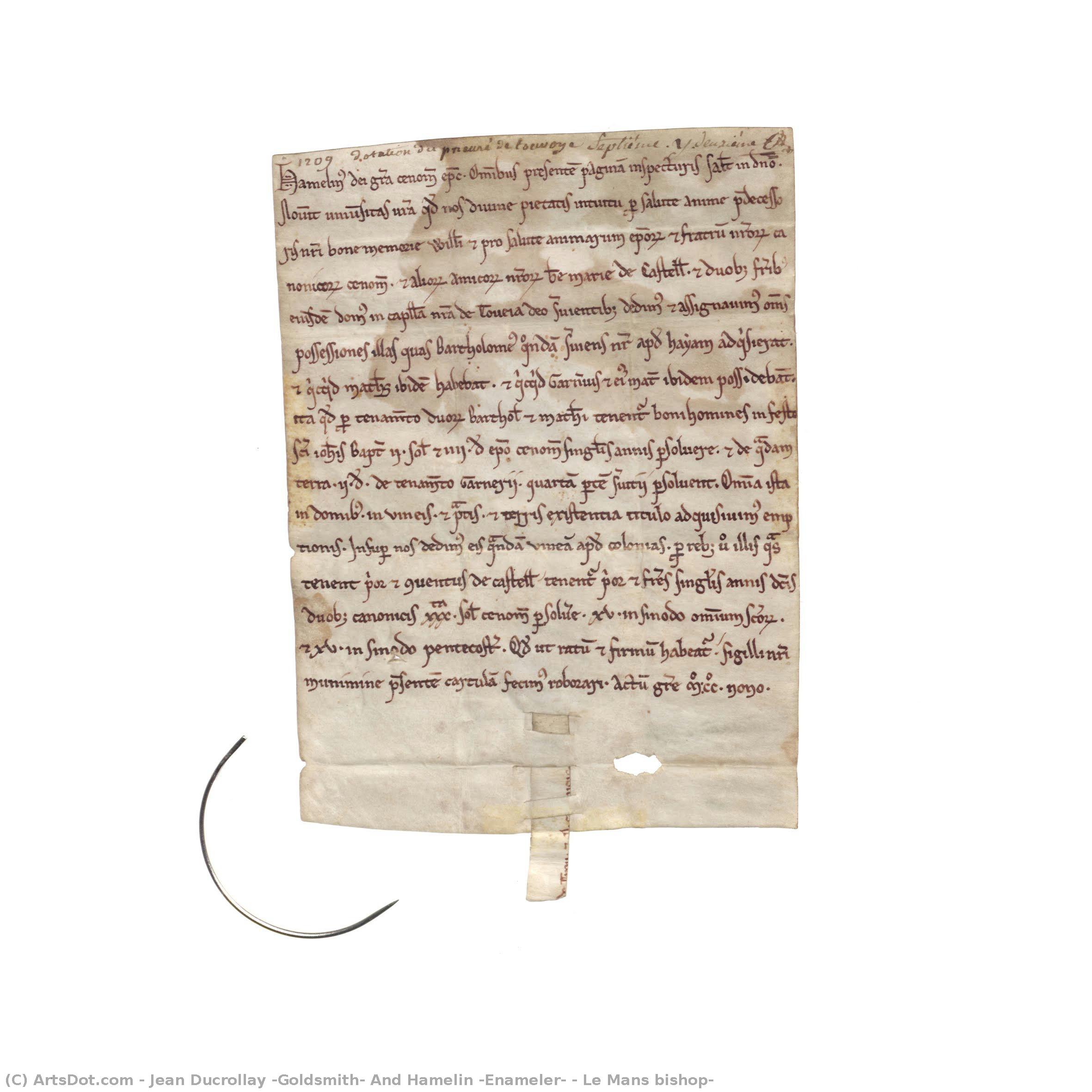
Le Mans bishop


 Read More
Giclée / Art Print
Museum-quality giclée or canvas print with fast production and flexible finish options. ( Buy Hand Made Painting Buy Image)




































Pick from our preset sizes that match the artwork's original proportions.

You may enter your own dimensions to fit a specific frame or space. If your selected size does not match the original image's proportions, we will either crop the artwork or extend the image with a mirrored or solid-fill edge. A digital mockup will be sent for your approval before production begins.
Please note that the on-screen preview does not reflect the actual cropping or extension. Only the mockup will accurately show the final composition.
While custom sizes are available, we recommend selecting a dimension from the predefined list to preserve the original proportions.
Worldwide Delivery () in 2 weeks instead of standard 4/5 weeks. (6 September)

Free Worldwide Express Shipping

High-Quality Linen Canvas

Full Shipping Insurance

Customs Tax Refund Guarantee

True Color Matching Guarantee

100-Day Return Policy (Defects Only)

100% Money-Back Guarantee

Bulk Discount Offer
 Glass option is only available in size under 110 CM

Le Mans bishop
Giclée / Art Print
Reproduction Size
-


Total Price
$ 63
Related Artworks


Artist Biography
The Gilded Legacy of Jean Ducrollay
In the luminous heart of eighteenth-century Paris, a period defined by the opulent splendor of the Louis XV era, few names evoke the delicate intersection of metallurgy and fine art as poignantly as Jean Ducrollay. A master goldsmith and enameler, Ducrollay did not merely craft objects; he sculpted light and color onto precious surfaces. Born in Paris around 1709, his life was inextricably linked to the rise of French luxury goods, a time when Paris stood as the undisputed capital of exquisite craftsmanship. His work represents a pinnacle of the decorative arts, where the rigid strength of gold meets the ethereal, translucent magic of enamel, creating miniature worlds that invite intimate contemplation.
The mastery required for Ducrollly’s craft was nothing short of extraordinary. To work in enamel is to engage in a volatile dance with fire. As an enameler, he possessed the rare ability to layer fine glass powders onto metal substrates, subjecting them to intense heat to fuse them into permanent, vibrant imagery. This technique allowed him to achieve a level of miniature illusionism that transcended simple decoration. His pieces often featured soft, painterly transitions and a depth of color that seemed to glow from within, capturing the fleeting beauty of Rococo motifs—floral borders, pastoral scenes, and amorous vignettes—with a precision that rivaled the finest oil paintings of his contemporaries.
Innovation and the Art of the Miniature
Ducrollay’s brilliance lay in his ability to innovate within the established traditions of the Parisian guilds. While many goldsmiths focused on the structural integrity of precious metals, Ducrollay expanded the narrative potential of his medium. He was among the pioneering artisans to incorporate Japanese lacquer into his work, sourcing these exotic materials from marchands-merciers—the influential luxury retailers of the age. This integration of Oriental aesthetics with French metalwork added a layer of global sophistication to his creations, making his snuffboxes and etuis highly coveted by the aristocracy.
His repertoire of subjects was as varied as the materials he manipulated. His workshop produced works that ranged from the deeply personal to the grandly allegorical:
- Social Rituals: The creation of ornate snuffboxes, which served as essential social props in the highly choreographed rituals of the French court.
- Nature and Romance: Enamelled depictions of flowers, fruit, and lively outdoor recreations that embodied the lighthearted spirit of the Rococo.
- Classical and Mythological Themes: The use of shading and perspective to bring mythological figures to life on small, precious surfaces.
- Portraiture: Miniature portraits that functioned as intimate tokens of affection or royal gifts for ambassadors and courtiers.
A Lasting Impression on Decorative History
The historical significance of Jean Ducrollay extends far beyond the physical objects he left behind. He was a central figure in an era where the distinction between "craft" and "fine art" was beautifully blurred. Through his hands, a simple snuffbox became a canvas for storytelling, and a gold box became a vessel for cultural expression. His work bridged the gap between the exuberant, swirling energy of the Rococo and the emerging, more structured elegance of Neoclassicism, as seen in the evolving shapes and friezes of his later-period pieces.
Today, the surviving treasures of Ducrollay—housed in prestigious institutions such as The Metropolitan Museum of Art and the Cleveland Museum of Art—serve as enduring witnesses to his genius. When we examine a Ducrollay piece, we are not just looking at gold and glass; we are peering into the soul of eighteenth-century France. His ability to capture the ephemeral beauty of a petal or the soft glow of a landscape in a medium as permanent as metal ensures that his legacy remains as luminous as the enamel he so masterfully applied.

jean ducrollay (goldsmith) and hamelin (enameler)
1709 - 1787 , France
Quick Facts
- Artistic Movement Or Style: Enamel Work
- Date Of Birth: 1709
- Full Name: Jean Ducrollay
- Nationality: French
- Notable Artworks: ['Le Mans Bishop']
- Place Of Birth: Paris, France