 Preview
 Send
Send Share
Share
 Details

 Download
 Similars
 X-Ray
X-Ray Diaporama
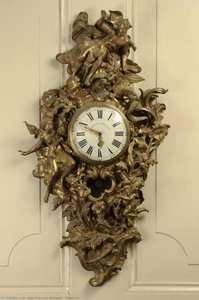
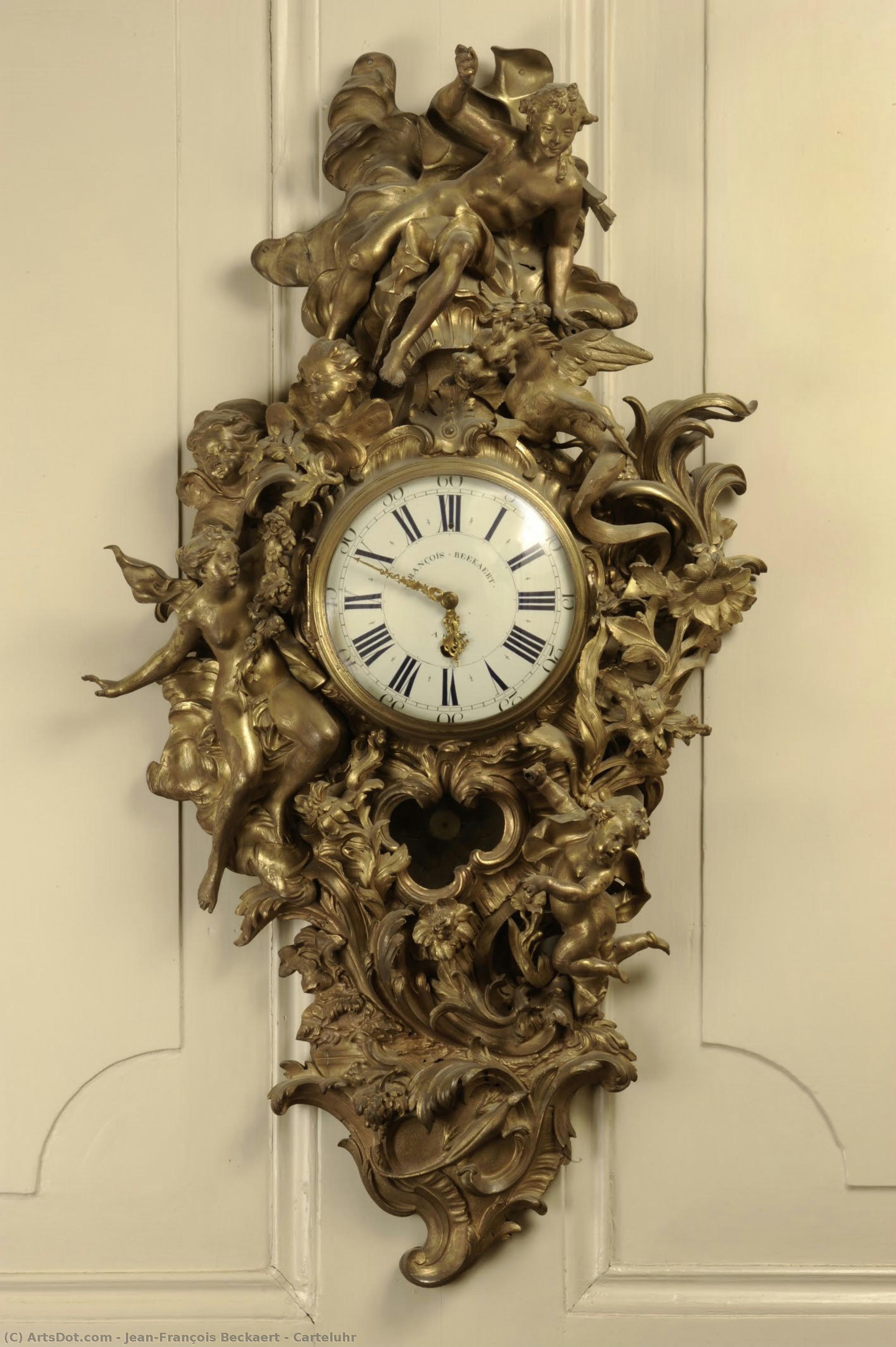
Carteluhr
 Oil On Canvas
- WallArt
- Baroque
 1745
1745- 19th Century
 95.0 x 50.0 cm
 Sanssouci Palace
 Read More
Hand Made Oil Reproduction
Hand-painted oil on canvas in your size and frame, made to order by our artists. ( Buy Print Buy Image)




P118B $10

P118H $10

P118W $10

P438Z $10

P508JH $12

P508YH $12

P805H $10

P805Z $10

P919BZ $10

P919G $10

P919XJ $10

P959ZH $10

P968JZ $12

W106C $8

W218G $10

W218JH $8

W218Y $10

W307PJ $10

W316G $10

W316PJ $8

W316Y $10

W398PJ $8

W4111J $10

W500HY $15

W500JH $15

W692G $12

W849H $8

W940BG $15

W953PJ $8




Pick from our preset sizes that match the artwork's original proportions.

You may enter your own dimensions to fit a specific frame or space. If your selected size does not match the original image's proportions, we will either crop the artwork or extend the painting with additional hand-painted elements. A digital mockup will be sent for your approval before production begins.
Please note that the on-screen preview does not reflect the actual cropping or extension. Only the mockup will accurately show the final composition.
While custom sizes are available, we recommend selecting a dimension from the predefined list to preserve the original proportions.
After order, ArtsDot.com team will email client for instructions and provide a mockup preview
Worldwide Delivery () in 3/4 weeks instead of standard 5 weeks. (27 August). No compromise on quality.

Free Worldwide Express Shipping

High-Quality Linen Canvas

Full Shipping Insurance

Customs Tax Refund Guarantee

True Color Matching Guarantee

60-Day Return Policy (Defects Only)

100% Money-Back Guarantee

Bulk Discount Offer
 Glass option is only available in size under 110 CM

Carteluhr
Reproduction Medium
Reproduction Size
-


Total Price
$ 263
Artwork Description
Related Artworks
Artist Biography
Lucian Freud: A Portrait of the Soul
Lucian Michael Freud (1922-2011) remains one of the most significant and intensely debated figures in 20th-century British art. More than simply a portrait painter, Freud offered a profoundly intimate and often unsettling glimpse into the inner lives of his subjects – friends, family, lovers, and even strangers – capturing not just their physical likeness but also their psychological complexities with an unparalleled directness. His work, characterized by its thick impasto, dark palettes, and unflinching gaze, continues to provoke and fascinate viewers decades after its creation.
Born in Berlin during the turbulent years of the Weimar Republic, Freud’s early life was shaped by his family's Jewish heritage and their eventual emigration to London in 1933. This experience profoundly influenced his artistic sensibility, fostering a sense of displacement and an acute awareness of social and personal boundaries. His father, Ernst Freud, was the fourth child of Sigmund Freud, the renowned psychoanalyst, though Lucian largely maintained a separate identity from his famous uncle. This familial connection, however, subtly informed his exploration of the human psyche through portraiture – a field he approached with an almost scientific rigor, seeking to penetrate the surface and reveal the hidden depths of his subjects’ personalities.
Freud's artistic journey began with a flirtation with Surrealism in the 1940s, reflecting the influence of artists like Salvador Dalí and René Magritte. However, he quickly moved beyond this early phase, developing a distinctly realist style that prioritized direct observation and intense engagement with his subjects. His formative years were spent studying under Cedric Morris at the East Anglian School of Art in Colchester, where he honed his skills in draughtsmanship and learned to capture the essence of human form through meticulous observation. This period also exposed him to the vibrant artistic community of post-war London, including figures like David Bomberg and Henry Moore.
The Development of a Distinctive Style
Freud’s mature style is immediately recognizable by its bold physicality and emotional intensity. He rarely worked from photographs, preferring instead to sit for his subjects for extended periods – sometimes days or even weeks – demanding an unflinching honesty and vulnerability. His technique involved applying paint in thick, layered strokes, building up the surface of the canvas with a tactile quality that mirrored the texture of skin and flesh. The dark, often somber palettes he employed further enhanced this sense of physicality, creating a visual atmosphere of intimacy and psychological depth.
A key element of Freud’s approach was his deliberate avoidance of idealized beauty. He depicted his subjects as they were – with their imperfections, vulnerabilities, and anxieties – refusing to sanitize or romanticize their appearances. This commitment to realism, combined with his masterful use of light and shadow, resulted in portraits that are both strikingly honest and profoundly moving. His famous 1948-49 portrait of Kitty Beckett, a former lover, exemplifies this approach perfectly, capturing her melancholic beauty and underlying sadness with remarkable sensitivity.
Major Works and Influences
Throughout his long career, Freud produced an extraordinary body of work, including numerous portraits, self-portraits, and landscapes. His most celebrated paintings include “Benefits Supervisor Sleeping” (1995), a monumental depiction of a homeless woman that challenged conventional notions of beauty and social representation; "The Bear" (1964), a powerful study of his dachshund, Pablo; and the series of portraits he created in the 1970s depicting his close friends and family. These works demonstrate his ability to capture not only physical likeness but also the complex emotions and relationships that shaped his subjects’ lives.
Freud's work was influenced by a diverse range of sources, including Rembrandt, Velázquez, and Ingres – masters of portraiture who he deeply admired. He also drew inspiration from the psychological theories of Sigmund Freud, particularly his emphasis on the unconscious mind. However, Freud’s style was ultimately unique, forging its own distinct path within the tradition of British painting.
Legacy and Historical Significance
Lucian Freud died in 2011 at the age of 88, leaving behind a legacy as one of Britain's most important artists. His work continues to be exhibited widely around the world and is held in major collections including the Tate and the National Gallery. Freud’s unflinching honesty, psychological depth, and technical mastery have cemented his place as a pivotal figure in 20th-century art, challenging viewers to confront their own perceptions of beauty, truth, and human nature.
His portraits are not merely representations of individuals; they are windows into the souls of those he depicted, offering profound insights into the complexities of human experience. Lucian Freud’s enduring influence lies in his ability to capture the essence of his subjects with a rare combination of technical skill and emotional intelligence – a testament to his unique artistic vision.
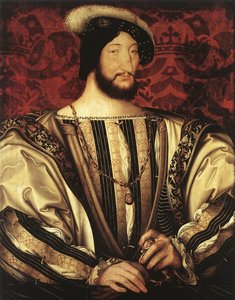
jean-françois beckaert
1922 - 1972 , Belgium
Quick Facts
- Artistic Movement Or Style: Figurative art, Portraiture
- Artists Or Movements Influenced By This Artist: ['David and Eli School']
- Artists Who Influenced This Artist:
- Surrealism
- Expressionism
- Date Of Birth: 8 December 1922
- Date Of Death: 20 July 2011
- Full Name: Lucian Michael Freud
- Nationality: British
- Notable Artworks:
- Portrait of Kitty
- Benefits Supervisor Sleeping
- Place Of Birth: Berlin, Germany
Related Articles
The Enduring Legacy of Bronze: A Historical & Artistic Exploration for the Collector
Explore the rich history & enduring appeal of bronze sculpture with expert insights for collectors at ArtsDot. Learn about casting techniques, iconic artists, collecting tips & contemporary interpretations.

Rococo's Radiant Legacy: 10 Masterpieces for Your Home |
Indulge in the elegance of Rococo! Explore 10 masterpieces by Fragonard, Boucher & Watteau. Discover the stories behind these iconic paintings and bring timeless art to your home with museum-quality reproductions from .

Bronze Age to Modern Masters: 10 Sculptures That Redefined Art | ArtsDot
Journey through art history with 10 legendary bronze sculptures – from Michelangelo's David to Rodin’s Thinker. Explore the stories, techniques & timeless beauty of these masterpieces. Find museum-quality reproductions & elevate your home decor on ArtsDot.com.

The Rococo Aesthetic: Opulence, Rebellion & the Pursuit of Pleasure in 18th-Century Art
Explore the opulent world of Rococo art! Discover its origins, key artists like Watteau & Boucher, and lasting influence on design. Expert insights for collectors & enthusiasts.
The Enduring Legacy of Bronze: History, Technique & Artistic Expression for the Collector
Explore the rich history & enduring appeal of bronze sculpture with expert insights for collectors at ArtsDot. Learn about casting techniques, iconic artists, and collecting tips.