

 Preview
 Send
Send Share
Share
 Details

 Download
 Similars
 X-Ray
X-Ray Diaporama
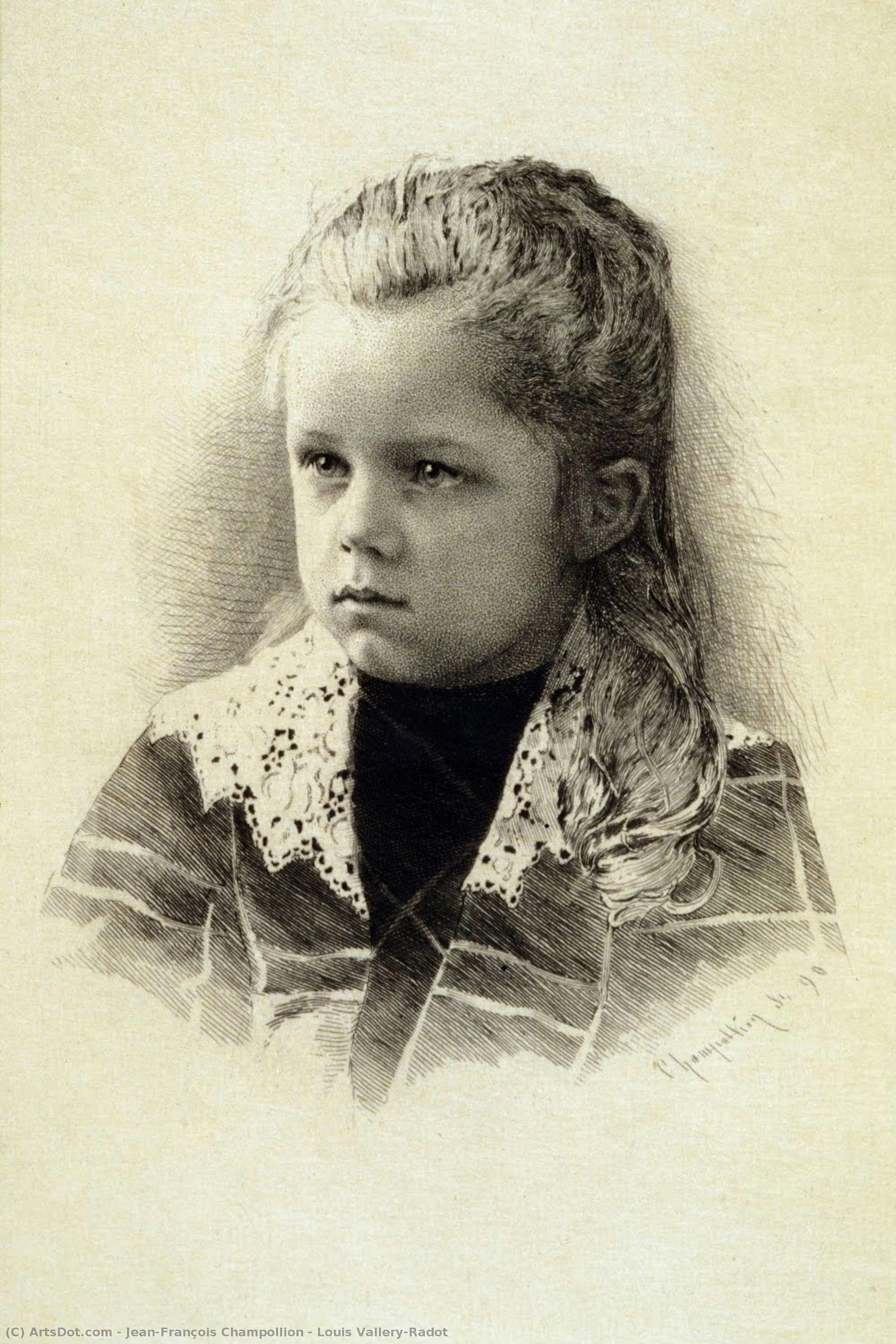
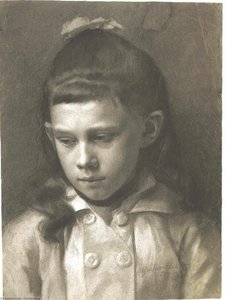
Louis Vallery-Radot

 Read More
Purchase a high-resolution, enhanced digital image, far superior to the online preview.
Each file is meticulously prepared by our in-house specialists using advanced tools and expert manual retouching. We ensure every image has exceptional clarity, precise color accuracy, and fine detail.
The final file is delivered via email within 72 hours, optimized for immediate use in professional, editorial, and print environments. This is the same quality trusted by top-tier design studios, publishers, and galleries.
Digital Image
Download a high-resolution file for personal display, printing, and creative projects. ( Buy Print Buy Hand Made Painting)
Included in Every Digital Image Order
Expert Digital Delivery, Guaranteed
When you choose ArtsDot.com, you're not just getting an image - you're receiving a professionally enhanced digital artwork, crafted with precision and backed by a satisfaction guarantee. Here's everything that comes with your order, automatically:

Fast Email Delivery
Your high-resolution digital image file will be emailed to you within 72 hours of ordering - ready for immediate use.

AI-Enhanced Digital File
Your artwork is professionally optimized using advanced AI tools and manual editing, ensuring maximum detail, clarity, and color accuracy.

Free Lifetime Re-Delivery
Accidentally deleted or lost your file? No worries - we'll resend it to you anytime, free of charge.

No Import Fees - Ever
Enjoy your artwork instantly with zero customs, duties, or delivery fees - digital downloads are always tax-free.

Color Accuracy Guarantee
We ensure your digital image reflects the original colors as closely as possible using professional tools and color management.

60-Day Satisfaction Guarantee
If you're not satisfied with your digital image, we'll revise it or refund 100% within 60 days - no questions asked.

100% Money-Back Guarantee
Not satisfied? Get a full refund within 60 days of receiving your digital file - no questions asked.

Bulk Order Discounts
Buy 3 images, save 10% - Buy 5, save 15% - Buy 10+, save 20%. Great for creative projects, galleries, and agencies.
Collectible Description
Related Artworks






Artist Biography
Jean-François Champollion: Unlocking the Secrets of Ancient Egypt
The name Jean-François Champollion resonates through the halls of archaeology and linguistics, inextricably linked to a pivotal moment in our understanding of human history. More than just a scholar, he was a revolutionary – a man who dared to challenge centuries of assumptions and, with painstaking dedication and brilliant insight, unveiled the intricate language and culture of ancient Egypt. Born in Figeac, France, in 1790, Champollion’s life was shaped by circumstance, intellectual curiosity, and an unwavering passion for deciphering the enigmatic hieroglyphs that adorned temples and tombs across the Nile Valley. His legacy isn't simply about translating symbols; it’s about opening a window into a civilization that had been shrouded in mystery for millennia.
Champollion’s early life was marked by personal tragedy and unusual upbringing. The death of his father, a book seller, at a young age left him largely raised by his elder brother, Jacques Joseph Champollion-Figeac – a scholar himself deeply immersed in the study of ancient languages. This environment fostered an extraordinary intellectual development from a remarkably young age. While traditional schooling proved inadequate for his burgeoning talents, Champollion’s prodigious memory and linguistic aptitude quickly surpassed any formal instruction. By the age of sixteen, he had already mastered six ancient Oriental languages – Latin, Greek, Hebrew, Chaldean, Arabic, and Syriac – demonstrating an unparalleled capacity for language acquisition that would later prove crucial to his groundbreaking work.
The Rosetta Stone and a Revolutionary Approach
The discovery of the Rosetta Stone in 1799 during Napoleon’s Egyptian campaign proved to be the catalyst for Champollion's career. This remarkable slab of granodiorite bore inscriptions in three scripts: hieroglyphic, demotic (a cursive form of Egyptian), and ancient Greek. Recognizing its potential significance, the French government entrusted the stone to scholars for study. While Thomas Young, a British scientist, made initial progress in identifying some of the hieroglyphs as phonetic symbols – representing sounds rather than ideas – Champollion recognized a more fundamental key. He hypothesized that the hieroglyphic script wasn’t solely symbolic but also contained an alphabetic component, utilizing royal names enclosed within cartouches (oval frames) to represent specific individuals.
Unlike Young's approach, which focused on deciphering individual words, Champollion systematically compared the Greek text with the corresponding hieroglyphic and demotic versions. He meticulously identified recurring patterns and established a direct correspondence between the names of Egyptian pharaohs – particularly Ptolemy and Cleopatra – and their hieroglyphic representations. This breakthrough allowed him to establish a phonetic value for many hieroglyphs, effectively unlocking the core of the ancient Egyptian language. It was a revolutionary approach, shifting the focus from purely symbolic interpretation to a more dynamic understanding of how the script functioned.
A Life Dedicated to Egyptology
Champollion’s work extended far beyond simply deciphering hieroglyphs; he became a leading figure in the nascent field of Egyptology. He meticulously documented his findings, publishing groundbreaking works such as *Précis du système hiéroglyphique des anciens Égyptiens* (1824) and *Panthéon égyptien* (1831-1836), which outlined the structure and grammar of the ancient Egyptian language. He also undertook an archaeological expedition to Egypt in 1828, further enriching his understanding of the culture and its material remains. Despite facing political challenges – including periods of exile due to his Bonapartist leanings – Champollion remained steadfast in his pursuit of knowledge, establishing a professorship at the Collège de France in 1831.
However, Champollion’s life was tragically cut short in 1832 at the age of forty-one. He died suddenly from tuberculosis, leaving behind an unfinished Egyptian grammar and dictionary – projects that would have undoubtedly further illuminated our understanding of this ancient civilization. Despite his untimely death, his legacy endures as the founder of modern Egyptology, forever changing our perception of ancient Egypt and its remarkable contribution to human history.
Champollion’s Enduring Significance
Jean-François Champollion's impact on the world is immeasurable. His decipherment of hieroglyphs didn't just provide access to Egyptian texts; it opened a gateway to an entire civilization, revealing its complex religious beliefs, political structures, and artistic achievements. It allowed historians to move beyond speculation and myth, accessing firsthand accounts of ancient Egyptian life. Furthermore, his methodology – emphasizing comparative linguistics and systematic analysis – became the cornerstone of Egyptological research, shaping the field for generations to come.
Beyond the academic realm, Champollion’s work has captured the public imagination, inspiring countless books, films, and documentaries. His story serves as a testament to the power of human curiosity, intellectual rigor, and the enduring quest to understand our past. The Rosetta Stone, now housed in the British Museum, stands as a potent symbol of his achievement – a tangible reminder that even the most impenetrable mysteries can be unlocked through dedication and insight.
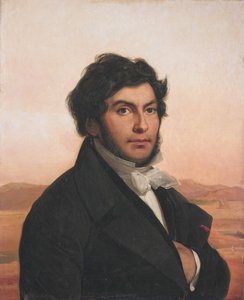
jean-françois champollion
1790 - 1832 , France
Quick Facts
- Artistic Movement Or Style: Egyptology, Philology
- Artists Or Movements Influenced By This Artist:
- Léon Cogniet
- Egyptology
- Artists Who Influenced This Artist: ['Jacques Joseph Champollion-Figeac']
- Date Of Birth: December 23, 1790
- Date Of Death: March 4, 1832
- Full Name: Jean-François Champollion
- Nationality: French
- Notable Artworks: ['Rosetta Stone decipherment']
- Place Of Birth: Figueres, France

