 Preview
 Send
Send Share
Share
 Details

 Download
 Similars
 X-Ray
X-Ray Diaporama
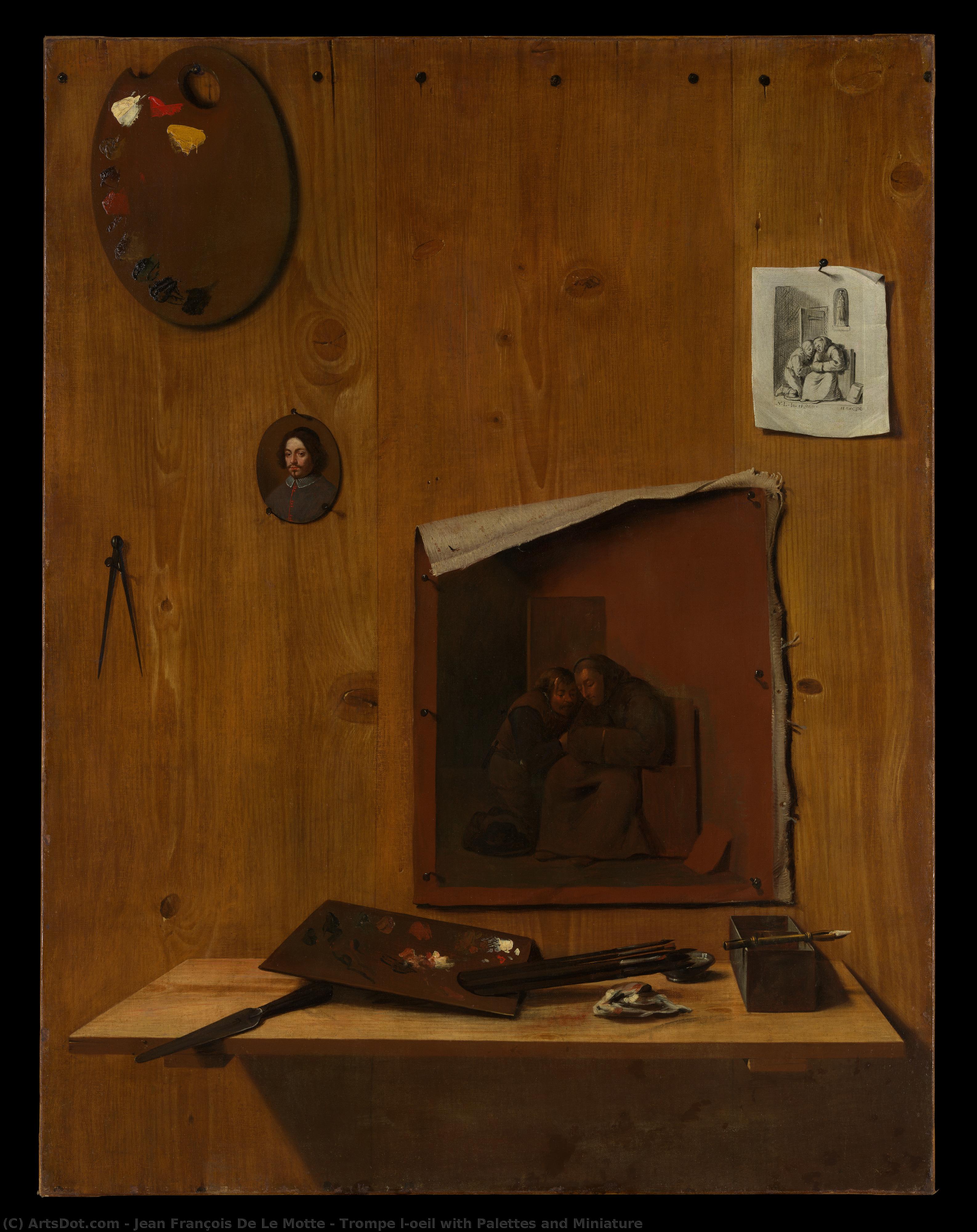
Trompe l'oeil with Palettes and Miniature
 119.0 x 92.0 cm
 Read More
Hand Made Oil Reproduction
Hand-painted oil on canvas in your size and frame, made to order by our artists. ( Buy Print Buy Image)




































Pick from our preset sizes that match the artwork's original proportions.

You may enter your own dimensions to fit a specific frame or space. If your selected size does not match the original image's proportions, we will either crop the artwork or extend the painting with additional hand-painted elements. A digital mockup will be sent for your approval before production begins.
Please note that the on-screen preview does not reflect the actual cropping or extension. Only the mockup will accurately show the final composition.
While custom sizes are available, we recommend selecting a dimension from the predefined list to preserve the original proportions.
After order, ArtsDot.com team will email client for instructions and provide a mockup preview
Worldwide Delivery () in 3/4 weeks instead of standard 5 weeks. (28 August). No compromise on quality.

Free Worldwide Express Shipping

High-Quality Linen Canvas

Full Shipping Insurance

Customs Tax Refund Guarantee

True Color Matching Guarantee

60-Day Return Policy (Defects Only)

100% Money-Back Guarantee

Bulk Discount Offer
 Glass option is only available in size under 110 CM

Trompe l'oeil with Palettes and Miniature
Reproduction Medium
Reproduction Size
-


Total Price
$ 263
Related Artworks








Artist Biography
Jean-François de le Motte: A Master of Illusion
Early Life and Career
- Born: Tournai, Belgium in 1635.
- Jean-François de le Motte was a Belgian painter who dedicated his career to the art of illusion.
- He became active in Tournai and officially entered the Guild of Saint Luke in 1653, marking the formal beginning of his artistic journey.
- This guild membership signified his acceptance into the established artistic community and allowed him to practice his craft professionally.
Artistic Style and Notable Works
- Trompe l'oeil Specialist: De le Motte is best known for his exceptional skill in *trompe l'oeil* painting – a French term meaning “deceive the eye.” This genre aimed to create incredibly realistic depictions of objects that appeared to exist in three dimensions, often fooling viewers into believing they were real.
- Masterpiece: One of his most celebrated works is Trompe l'oeil with Palettes and Miniature, a stunning example of his ability to render everyday objects with astonishing accuracy. The painting features artist’s tools, creating an illusionistic display that showcases his technical prowess.
- Themes: His works often featured still life arrangements, meticulously painted to mimic reality, and frequently included elements related to the artistic process itself – palettes, brushes, and miniatures.
Royal Commissions and Recognition
- Louis XIV’s Triumphal Arches: In 1670, de le Motte received a prestigious commission to participate in the decoration of triumphal arches erected for King Louis XIV's entry into Tournai.
- This significant undertaking highlighted his growing reputation as a talented and sought-after artist within royal circles. It demonstrated his ability to work on large-scale decorative projects.
- Growing Reputation: His involvement in this event solidified his position as an important figure in the artistic landscape of the time.
Influences and Artistic Development
- While specific influences are not extensively documented, de le Motte’s work reflects the broader trends of Baroque art, characterized by realism, dramatic lighting, and a focus on detail.
- Trompe l'oeil painting itself had roots in earlier Dutch Golden Age still life traditions, and de le Motte likely drew inspiration from these predecessors.
- His artistic development was shaped by the demands of his patrons and the prevailing aesthetic tastes of the 17th century.
Legacy and Historical Significance
- Death: Jean-François de le Motte passed away in Tournai in 1685, leaving behind a legacy of captivating *trompe l'oeil* masterpieces.
- Enduring Appeal: His works continue to fascinate art enthusiasts today with their remarkable realism and skillful execution. They offer a glimpse into the artistic sensibilities of the Baroque period.
- Museum Collections: Examples of his work can be found in museums such as the Musée des Beaux-Arts de Tournai (Belgium) and the Musée des Beaux-Arts de Carcassonne (France), ensuring that his art remains accessible to future generations.
- Continued Interest: His paintings are also available for viewing and reproduction through platforms like ArtsDot, allowing a wider audience to appreciate his artistry.
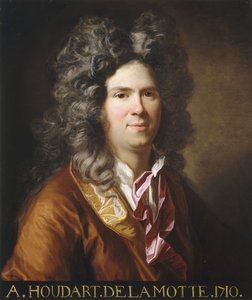
jean-françois de le motte
1635 - 1685 , Belgium
Quick Facts
- Birth Date: 1635
- Birth Place: Tournai, Belgium
- Death Date: 1685
- Influenced: None, 'influenced by': None, 'movement':
- L'Oeil: name': 'Jean-François de le Motte
- Nationality: Belgian
- Notable Works: Trompe l'oeil with Palettes and Miniature