 Preview
 Send
Send Share
Share
 Details

 Download
 Similars
 X-Ray
X-Ray Diaporama
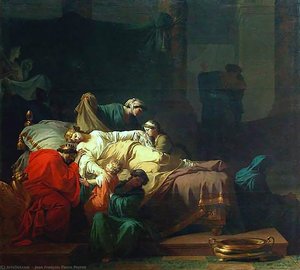
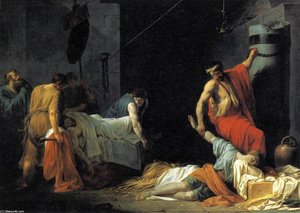
Alceste mourante
 Oil On Canvas
- WallArt
- Neoclassical Style
 1785
1785- 19th Century
 327.0 x 325.0 cm
 The Louvre
 Read More
Hand Made Oil Reproduction
Hand-painted oil on canvas in your size and frame, made to order by our artists. ( Buy Print Buy Image)




P118B $10

P118H $10

P118W $10

P438Z $10

P508JH $12

P508YH $12

P805H $10

P805Z $10

P919BZ $10

P919G $10

P919XJ $10

P959ZH $10

P968JZ $12

W106C $8

W218G $10

W218JH $8

W218Y $10

W307PJ $10

W316G $10

W316PJ $8

W316Y $10

W398PJ $8

W4111J $10

W500HY $15

W500JH $15

W692G $12

W849H $8

W940BG $15

W953PJ $8




Pick from our preset sizes that match the artwork's original proportions.

You may enter your own dimensions to fit a specific frame or space. If your selected size does not match the original image's proportions, we will either crop the artwork or extend the painting with additional hand-painted elements. A digital mockup will be sent for your approval before production begins.
Please note that the on-screen preview does not reflect the actual cropping or extension. Only the mockup will accurately show the final composition.
While custom sizes are available, we recommend selecting a dimension from the predefined list to preserve the original proportions.
After order, ArtsDot.com team will email client for instructions and provide a mockup preview
Worldwide Delivery () in 3/4 weeks instead of standard 5 weeks. (17 August). No compromise on quality.

Free Worldwide Express Shipping

High-Quality Linen Canvas

Full Shipping Insurance

Customs Tax Refund Guarantee

True Color Matching Guarantee

60-Day Return Policy (Defects Only)

100% Money-Back Guarantee

Bulk Discount Offer
 Glass option is only available in size under 110 CM

Alceste mourante
Reproduction Medium
Reproduction Size
-


Total Price
$ 263
Artwork Description
Alceste mourante by Jean-François Pierre Peyron: A Study in Neoclassical Elegance
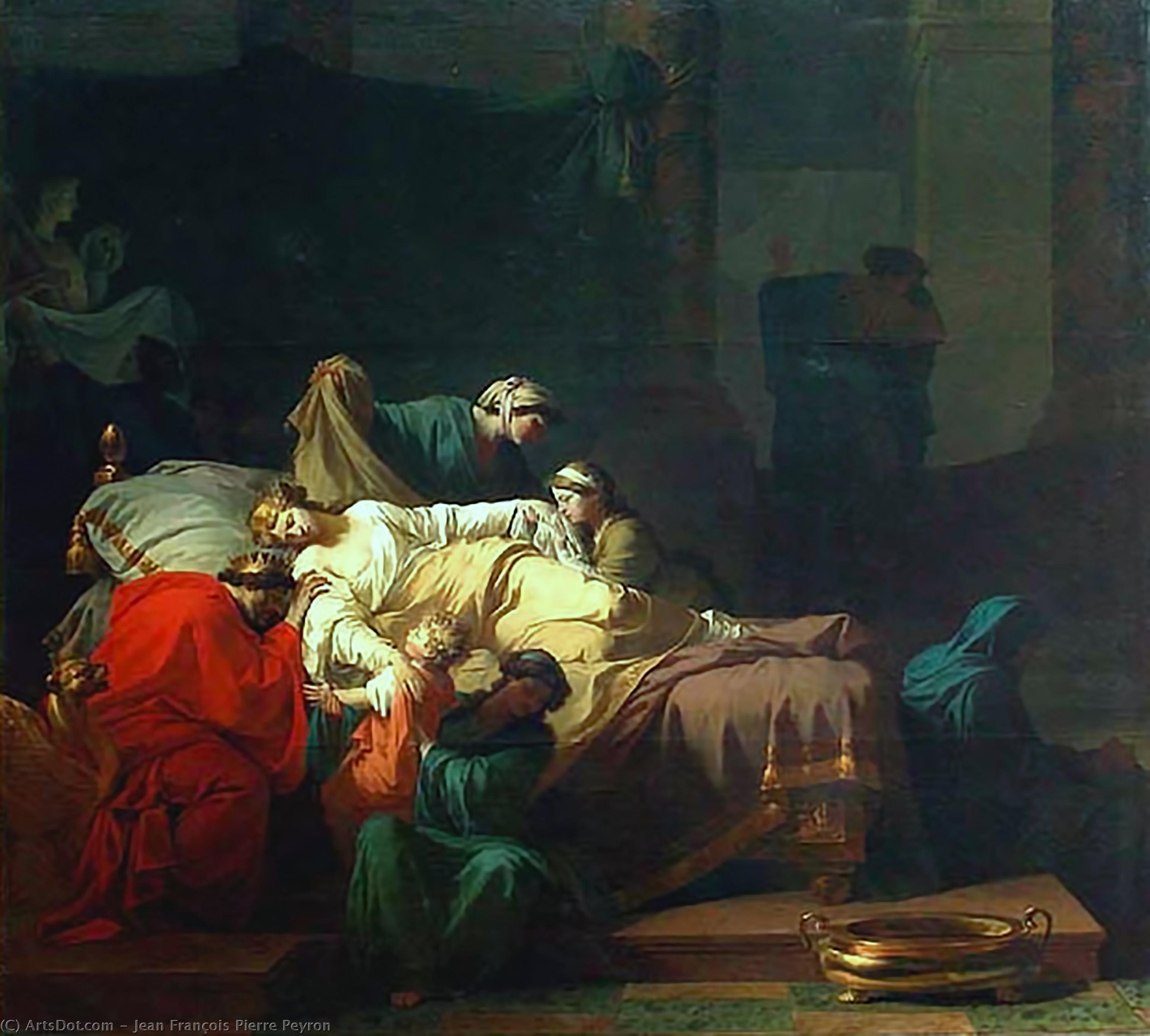
Jean-François Pierre Peyron’s “Alceste mourante,” completed in 1785, stands as a testament to the burgeoning neoclassical aesthetic within French art circles. Painted during a period marked by intellectual ferment and artistic rivalry—particularly with Jacques-Louis David—Peyron's masterpiece exemplifies the movement’s commitment to idealized beauty, rational composition, and meticulous observation of the human form. The artwork depicts a poignant scene: a woman lying on a bed, attended by figures conveying compassion and concern. This intimate portrayal speaks volumes about the era’s fascination with themes of mortality and grief, filtered through the lens of classical ideals.Subject Matter and Composition
The painting centers around Alceste, a mythological figure representing piety and devotion—a deliberate choice reflecting the moral sensibilities prevalent in Enlightenment France. Peyron skillfully arranges the figures around Alceste's bed, creating a pyramidal composition that lends stability and grandeur to the scene. The positioning of the attendants emphasizes their role as caretakers and underscores the importance of familial bonds within aristocratic society. Notably, two bowls are strategically placed—one at the bottom right corner and another centrally positioned—likely symbolizing nourishment or solace offered to the ailing woman. These subtle details contribute to the overall narrative depth of the artwork.Style and Technique
Peyron’s style aligns perfectly with the neoclassical canon established by Vien. He employs a muted palette dominated by cool blues, creams, and browns, fostering an atmosphere of solemn contemplation. The artist meticulously renders drapery folds and anatomical details with remarkable precision—a hallmark of Vien’s influence—demonstrating mastery over chiaroscuro (light and shadow) to sculpt form and convey emotion. Peyron's brushstrokes are smooth and controlled, prioritizing clarity and elegance over expressive dynamism. This deliberate restraint underscores the painting’s focus on conveying psychological nuance rather than dramatic spectacle.Historical Context and Symbolism
“Alceste mourante” emerged during a time of significant social and political upheaval—the eve of the French Revolution. However, Peyron avoids overtly politicized imagery, instead channeling classical mythology to explore universal themes of suffering and compassion. Alceste’s mourning embodies the anxieties surrounding death and decay that characterized the period, mirroring broader philosophical debates about human existence. The bowls serve as visual metaphors for comfort and sustenance—symbols of hope amidst despair—reflecting the humanist values championed by Enlightenment thinkers.Emotional Impact and Legacy
The painting's enduring appeal lies in its ability to evoke empathy and contemplation. Peyron’s masterful depiction captures the vulnerability of the human condition while upholding classical ideals of beauty and dignity. “Alceste mourante” remains a captivating example of neoclassical art, demonstrating how artists could grapple with profound emotional themes within a framework of rational aesthetic principles. Its meticulous execution and evocative atmosphere continue to inspire admiration among collectors and interior designers alike—a testament to Peyron’s artistic vision and the enduring power of classical storytelling.Related Artworks

Artist Biography
A Legacy of Neoclassical Grace: The Life of Jean-François Pierre Peyron
In the grand, sweeping tapestry of the Neoclassical era, where the shadows of antiquity met the burgeoning light of modern French identity, Jean-François Pierre Peyron emerged as a painter of profound sensitivity and technical poise. Born in Aix-en-Provence in 1745 to a family steeped in the decorative arts, Peyron’s early life was shaped by the meticulous craftsmanship of his father, Jacob Sablet. This foundational exposure to the nuances of gilding and ornamentation instilled in him a lifelong reverence for detail and a unique ability to weave texture and light into his compositions. Alongside his brother, Jacques-Henri Sablet, Peyron navigated the rigorous corridors of the Académie royale de peinture et de sculpture in Paris, where the disciplined teachings of Joseph-Marie Vien provided the classical bedrock upon which his artistic soul would be built.
The trajectory of Peyron’s career was inextricably linked to the pursuit of the sublime. Following his mentor Vien to Rome in 1775, Peyron entered a world of ancient ruins and philosophical echoes, an environment that breathed life into his historical ambitions. While history often casts him as a contemporary rival to the titan Jacques-Louis David, such a comparison overlooks the distinct, more lyrical quality of Peyron’s hand. Where others sought a stark, severe austerity, Peyron embraced a more nuanced approach to the human condition, blending the structural integrity of Neoclassicism with an emotive depth that resonated with the era's fascination for drama and moral gravity.
Mastery of Emotion and the Classical Ideal
Peyron’s oeuvre serves as a window into the heart of late 18th-century aesthetic values. His work often transcended mere imitation of the past, seeking instead to capture the eternal through the lens of the contemporary. He found particular success in portraiture, genre painting, and landscapes, each subject treated with a meticulousness that spoke to his training in the decorative arts. However, it is in his historical compositions where his true genius for storytelling shines most brightly. Through the use of dramatic chiaroscuro and carefully orchestrated figures, he transformed classical narratives into visceral human experiences.
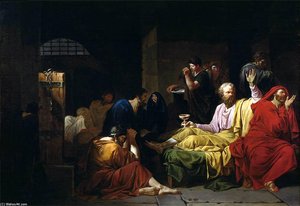
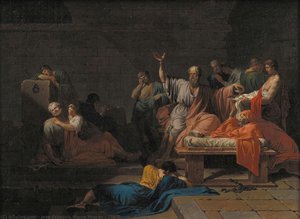
One cannot discuss Peyron without contemplating his profound engagement with themes of sacrifice and wisdom, most notably seen in his interpretations of "The Death of Socrates." In these works, the artist captures more than just a historical event; he captures a moment of spiritual transcendence. The interplay of light and shadow serves to highlight the stoic resolve of the philosopher, turning a scene of execution into a timeless symbol of intellectual courage. His ability to imbant classical subjects with such palpable emotion allowed him to stand apart from the more rigid academic styles of his peers, offering a vision that was as much about the internal struggle of the soul as it was about the external grandeur of antiquity.
Historical Significance and Artistic Enduring Spirit
Though the tides of art history eventually shifted toward Romanticism and beyond, the significance of Jean-François Pierre Peyron remains etched in the evolution of French painting. He represented a vital bridge between the decorative elegance of the Rococo's twilight and the disciplined moralism of the Neoclassical peak. His life was a testament to the pursuit of excellence amidst the shadows of giants, proving that even in an age dominated by singular personalities, there was profound space for a more nuanced, emotive classical voice.
The enduring legacy of Peyron can be summarized through several key artistic contributions:
- Synthesis of Styles: The seamless integration of decorative precision with the monumental scale of historical painting.
- Emotional Depth: A departure from purely didactic art toward a more empathetic and psychologically resonant portrayal of classical figures.
- Technical Versatility: Mastery across diverse genres, including portraiture, landscape, and complex historical narratives.
- Cultural Connection: His role in maintaining the vitality of the French Neoclassical movement during its most transformative decades.
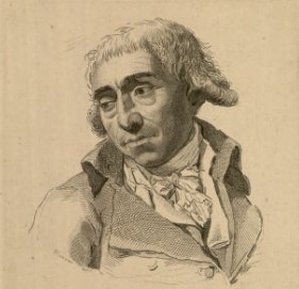
jean françois pierre peyron
1745 - 1819 , France
Quick Facts
- Artistic Movement Or Style: Neoclassical painting
- Artists Or Movements Influenced By This Artist: ['Jacques Louis David']
- Artists Who Influenced This Artist: ['Joseph Marie Vien']
- Date Of Birth: 1745
- Full Name: Jean-François Pierre Peyron
- Nationality: French
- Notable Artworks:
- The Death of Socrates
- The Funeral of Miltiades
- Place Of Birth: Aix-en-Provence, France
Related Articles
Neo-Classicism's Greatest Hits: 10 Masterpieces for Your Home |
Journey through Neo-Classicism's finest! Explore 10 iconic masterpieces by David, Ingres & Canova. Discover art history, techniques & timeless beauty – perfect for inspiring your home decor. Find museum-quality reproductions at

Giclée Prints: Archival Quality & Aesthetic Nuances for the Discerning Collector
Explore the world of giclée prints with ArtsDot. Learn about archival quality, aesthetic nuances & investment potential. Expert guidance for discerning art collectors seeking museum-quality reproductions and lasting value.

The Enduring Legacy of Fine Art Prints: Technique, History & Aesthetic Impact
Explore the rich history & techniques of fine art prints. Discover investment potential, assess authenticity, and learn how to preserve your collection with expert guidance. Trusted insights for discerning collectors.
Oil on Board Masters: 10 Paintings That Redefined Art | ArtsDot
Explore 10 legendary 'Oil on Board' masterpieces by Van Gogh, Monet & more! Discover art history, iconic styles like Impressionism, and find museum-quality reproductions to elevate your home decor. Explore the full collection online at ArtsDot.com.

The Enduring Legacy of Oil on Canvas: Technique, History & Aesthetic Impact
Explore the rich history & techniques of oil painting – from Renaissance masters to Impressionism. Discover pigments, layering methods, and why this timeless medium endures. Expert insights for artists & art enthusiasts.