

 Preview
 Send
Send Share
Share
 Details

 Download
 Similars
 X-Ray
X-Ray Diaporama
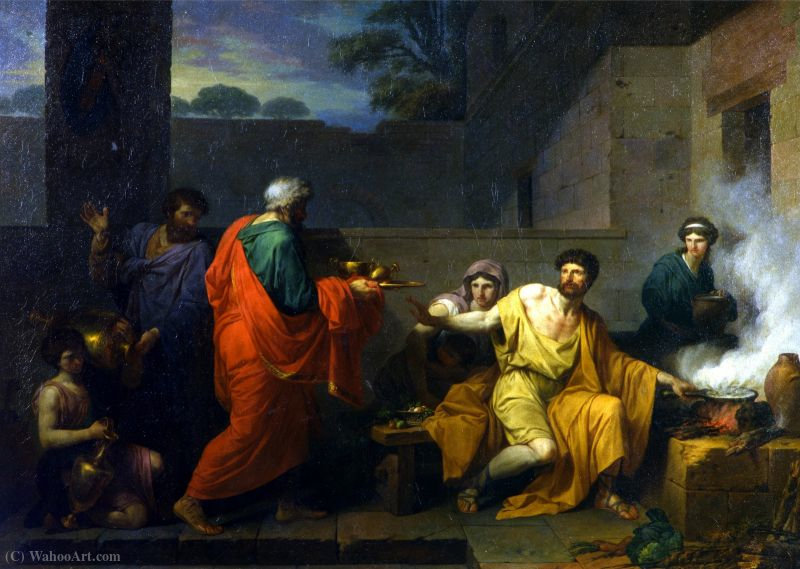
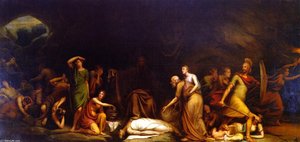
Manius Curius Dentatus refuses Samnite Ambassadors.
 Read More
Purchase a high-resolution, enhanced digital image, far superior to the online preview.
Each file is meticulously prepared by our in-house specialists using advanced tools and expert manual retouching. We ensure every image has exceptional clarity, precise color accuracy, and fine detail.
The final file is delivered via email within 72 hours, optimized for immediate use in professional, editorial, and print environments. This is the same quality trusted by top-tier design studios, publishers, and galleries.
Digital Image
Download a high-resolution file for personal display, printing, and creative projects. ( Buy Print Buy Hand Made Painting)
Included in Every Digital Image Order
Expert Digital Delivery, Guaranteed
When you choose ArtsDot.com, you're not just getting an image - you're receiving a professionally enhanced digital artwork, crafted with precision and backed by a satisfaction guarantee. Here's everything that comes with your order, automatically:

Fast Email Delivery
Your high-resolution digital image file will be emailed to you within 72 hours of ordering - ready for immediate use.

AI-Enhanced Digital File
Your artwork is professionally optimized using advanced AI tools and manual editing, ensuring maximum detail, clarity, and color accuracy.

Free Lifetime Re-Delivery
Accidentally deleted or lost your file? No worries - we'll resend it to you anytime, free of charge.

No Import Fees - Ever
Enjoy your artwork instantly with zero customs, duties, or delivery fees - digital downloads are always tax-free.

Color Accuracy Guarantee
We ensure your digital image reflects the original colors as closely as possible using professional tools and color management.

60-Day Satisfaction Guarantee
If you're not satisfied with your digital image, we'll revise it or refund 100% within 60 days - no questions asked.

100% Money-Back Guarantee
Not satisfied? Get a full refund within 60 days of receiving your digital file - no questions asked.

Bulk Order Discounts
Buy 3 images, save 10% - Buy 5, save 15% - Buy 10+, save 20%. Great for creative projects, galleries, and agencies.
Related Artworks






Artist Biography
A Legacy of Neoclassical Grace: The Life of Jean-François Pierre Peyron
In the grand, sweeping tapestry of the Neoclassical era, where the shadows of antiquity met the burgeoning light of modern French identity, Jean-François Pierre Peyron emerged as a painter of profound sensitivity and technical poise. Born in Aix-en-Provence in 1745 to a family steeped in the decorative arts, Peyron’s early life was shaped by the meticulous craftsmanship of his father, Jacob Sablet. This foundational exposure to the nuances of gilding and ornamentation instilled in him a lifelong reverence for detail and a unique ability to weave texture and light into his compositions. Alongside his brother, Jacques-Henri Sablet, Peyron navigated the rigorous corridors of the Académie royale de peinture et de sculpture in Paris, where the disciplined teachings of Joseph-Marie Vien provided the classical bedrock upon which his artistic soul would be built.
The trajectory of Peyron’s career was inextricably linked to the pursuit of the sublime. Following his mentor Vien to Rome in 1775, Peyron entered a world of ancient ruins and philosophical echoes, an environment that breathed life into his historical ambitions. While history often casts him as a contemporary rival to the titan Jacques-Louis David, such a comparison overlooks the distinct, more lyrical quality of Peyron’s hand. Where others sought a stark, severe austerity, Peyron embraced a more nuanced approach to the human condition, blending the structural integrity of Neoclassicism with an emotive depth that resonated with the era's fascination for drama and moral gravity.
Mastery of Emotion and the Classical Ideal
Peyron’s oeuvre serves as a window into the heart of late 18th-century aesthetic values. His work often transcended mere imitation of the past, seeking instead to capture the eternal through the lens of the contemporary. He found particular success in portraiture, genre painting, and landscapes, each subject treated with a meticulousness that spoke to his training in the decorative arts. However, it is in his historical compositions where his true genius for storytelling shines most brightly. Through the use of dramatic chiaroscuro and carefully orchestrated figures, he transformed classical narratives into visceral human experiences.
One cannot discuss Peyron without contemplating his profound engagement with themes of sacrifice and wisdom, most notably seen in his interpretations of "The Death of Socrates." In these works, the artist captures more than just a historical event; he captures a moment of spiritual transcendence. The interplay of light and shadow serves to highlight the stoic resolve of the philosopher, turning a scene of execution into a timeless symbol of intellectual courage. His ability to imbant classical subjects with such palpable emotion allowed him to stand apart from the more rigid academic styles of his peers, offering a vision that was as much about the internal struggle of the soul as it was about the external grandeur of antiquity.
Historical Significance and Artistic Enduring Spirit
Though the tides of art history eventually shifted toward Romanticism and beyond, the significance of Jean-François Pierre Peyron remains etched in the evolution of French painting. He represented a vital bridge between the decorative elegance of the Rococo's twilight and the disciplined moralism of the Neoclassical peak. His life was a testament to the pursuit of excellence amidst the shadows of giants, proving that even in an age dominated by singular personalities, there was profound space for a more nuanced, emotive classical voice.
The enduring legacy of Peyron can be summarized through several key artistic contributions:
- Synthesis of Styles: The seamless integration of decorative precision with the monumental scale of historical painting.
- Emotional Depth: A departure from purely didactic art toward a more empathetic and psychologically resonant portrayal of classical figures.
- Technical Versatility: Mastery across diverse genres, including portraiture, landscape, and complex historical narratives.
- Cultural Connection: His role in maintaining the vitality of the French Neoclassical movement during its most transformative decades.
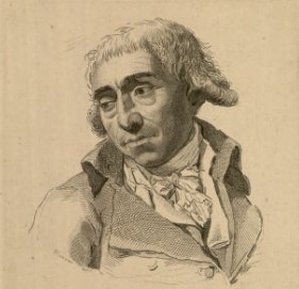
jean françois pierre peyron
1745 - 1819 , France
Quick Facts
- Artistic Movement Or Style: Neoclassical painting
- Artists Or Movements Influenced By This Artist: ['Jacques Louis David']
- Artists Who Influenced This Artist: ['Joseph Marie Vien']
- Date Of Birth: 1745
- Full Name: Jean-François Pierre Peyron
- Nationality: French
- Notable Artworks:
- The Death of Socrates
- The Funeral of Miltiades
- Place Of Birth: Aix-en-Provence, France

