

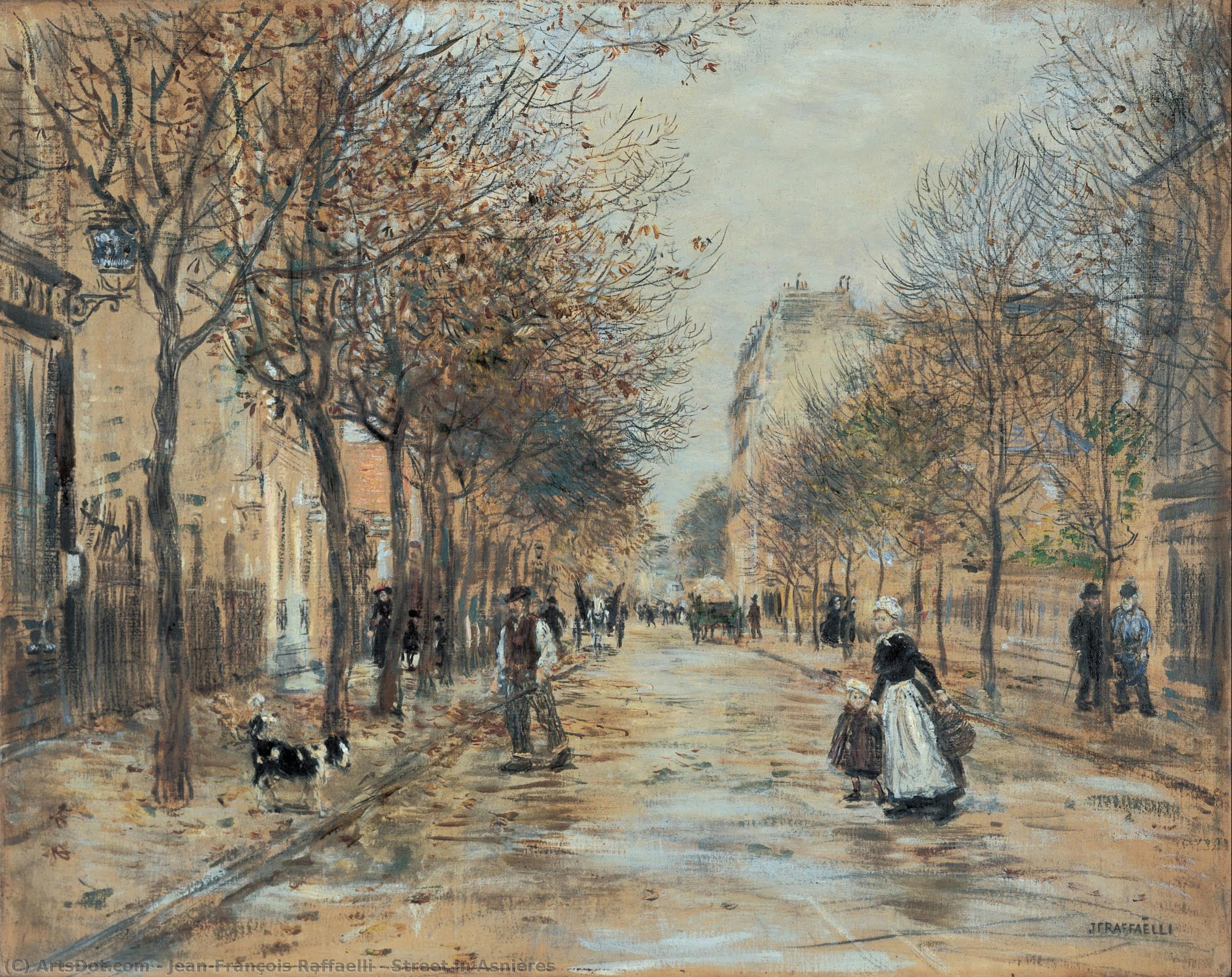
 Preview
 Send
Send Share
Share
 Details

 Download
 Similars
 X-Ray
X-Ray Diaporama
Street in Asnières
 Acrylic On Canvas
- WallArt
- Impressionism
 19th Century
 71.0 x 55.0 cm
 Ohara Museum of Art
 Read More
Purchase a high-resolution, enhanced digital image, far superior to the online preview.
Each file is meticulously prepared by our in-house specialists using advanced tools and expert manual retouching. We ensure every image has exceptional clarity, precise color accuracy, and fine detail.
The final file is delivered via email within 72 hours, optimized for immediate use in professional, editorial, and print environments. This is the same quality trusted by top-tier design studios, publishers, and galleries.
Digital Image
Download a high-resolution file for personal display, printing, and creative projects. ( Buy Print Buy Hand Made Painting)
Included in Every Digital Image Order
Expert Digital Delivery, Guaranteed
When you choose ArtsDot.com, you're not just getting an image - you're receiving a professionally enhanced digital artwork, crafted with precision and backed by a satisfaction guarantee. Here's everything that comes with your order, automatically:

Fast Email Delivery
Your high-resolution digital image file will be emailed to you within 72 hours of ordering - ready for immediate use.

AI-Enhanced Digital File
Your artwork is professionally optimized using advanced AI tools and manual editing, ensuring maximum detail, clarity, and color accuracy.

Free Lifetime Re-Delivery
Accidentally deleted or lost your file? No worries - we'll resend it to you anytime, free of charge.

No Import Fees - Ever
Enjoy your artwork instantly with zero customs, duties, or delivery fees - digital downloads are always tax-free.

Color Accuracy Guarantee
We ensure your digital image reflects the original colors as closely as possible using professional tools and color management.

60-Day Satisfaction Guarantee
If you're not satisfied with your digital image, we'll revise it or refund 100% within 60 days - no questions asked.

100% Money-Back Guarantee
Not satisfied? Get a full refund within 60 days of receiving your digital file - no questions asked.

Bulk Order Discounts
Buy 3 images, save 10% - Buy 5, save 15% - Buy 10+, save 20%. Great for creative projects, galleries, and agencies.
Collectible Description
Jean-François Raffaëlli: Realism's Delicate Embrace of Impressionistic Light
Jean-François Raffaëlli stands as an intriguing figure in the transition between Realism and Impressionism, embodying a singular artistic vision that sought to capture not merely what was seen but how it felt. Born April 20, 1850, in Paris, he possessed a lineage rooted in Tuscan ancestry—a heritage that subtly influenced his approach to art, fostering an appreciation for meticulous observation alongside a burgeoning fascination with capturing fleeting moments of beauty.
Early Artistic Explorations and Formal Training
Before dedicating himself wholly to painting, Raffaëlli pursued diverse interests including music and theatre. However, it was his foray into visual arts in 1870 that ignited his creative spirit. He swiftly gained recognition with an exhibited landscape at the Salon that same year—a testament to his innate talent for portraying natural scenes with remarkable accuracy. His formal artistic training was brief but decisive: three months under Jean-Léon Gérôme at the École des Beaux-Arts in Paris provided him with foundational knowledge of academic conventions, yet he resolutely steered away from these rigid styles, forging instead a path toward stylistic independence.
The Theory of Caractérisme and Raffaëlli's Distinctive Style
Raffaëlli championed “caractérisme,” a revolutionary artistic theory that challenged the prevailing aesthetic dogma. This philosophy insisted on portraying individuals within their environment—a deliberate rejection of Romantic idealism—and demanded an unwavering commitment to detailed observation. Influenced by Hippolyte-Adolphe Taine’s positivist worldview, Raffaëlli aimed to transcend mere representation, striving instead to convey not just what was seen but the emotional essence of experience.
His style is characterized by a profound realism tempered with Impressionistic luminosity. Unlike many of his contemporaries who sought to replicate nature faithfully, Raffaëlli recognized that true artistry lay in capturing its subtle nuances—the ephemeral effects of light and atmosphere. This approach resulted in canvases imbued with a palpable sense of immediacy and emotion.
“Les Buveurs d’Absinthe”: A Portrait of Modern Alienation
"Les Buveurs d'Absinthe" (1881), arguably Raffaëlli’s most celebrated work, exemplifies his artistic convictions. The painting depicts a Parisian café scene—a microcosm of urban life—featuring figures consumed by drink and contemplation. Raffaëlli skillfully employed the balayé technique—characterized by horizontal brushstrokes—to convey the hazy glow of lamplight and the pervasive dampness of the rainy evening.
More than just a depiction of a specific place, “Les Buveurs d’Absinthe” serves as a poignant commentary on the anxieties of modernity. Raffaëlli's portrayal of marginalized individuals—ragpickers and laborers—reflects his empathy for those excluded from mainstream society. The painting captures not only the visual details of its setting but also the psychological state of its subjects—a profound exploration of loneliness, disillusionment, and the human condition.
Legacy and Enduring Influence
Despite initial rejection by the Salon jury, Raffaëlli’s work gained recognition during the twentieth century, cementing his place as a pivotal figure in French art history. His unwavering dedication to realism combined with an intuitive grasp of Impressionistic principles established him as a pioneer—a testament to the transformative power of artistic vision.
Today, “Les Buveurs d’Absinthe” hangs prominently in the California Palace of Legion of Honor Art Museum, where it continues to inspire viewers and scholars alike. Raffaëlli's legacy resides not merely in his stylistic innovations but also in his profound engagement with social issues—a reminder that art can serve as a conduit for empathy and understanding.
Related Artworks

Artist Biography
Jean-François Raffaëlli: A Life in Realism
Born on April 20, 1850, in Paris, France, Jean-François Raffaëlli was a pivotal figure bridging Realism and Impressionism. Of Tuscan descent through his paternal grandparents, he carved a unique path as a painter, sculptor, and printmaker, deeply invested in portraying the lives of ordinary people.
Early Life and Training
Before dedicating himself to art, Raffaëlli explored interests in music and theatre. He began his painting career in 1870, quickly gaining recognition with an exhibited landscape at the Salon that same year. His formal artistic training was brief but impactful – three months under Jean-Léon Gérôme at the École des Beaux-Arts in Paris. However, he soon diverged from traditional academic styles to forge his own distinctive approach.
Artistic Style and Influences
Raffaëlli’s style is characterized by a profound commitment to realism, which he termed “caractérisme.” This theory emphasized meticulous observation of individuals within their social context. He sought not merely to depict appearances but to capture the essence of human experience. While influenced by Gérôme's technical skill, Raffaëlli found champions in influential critics like J.-K. Huysmans and Edgar Degas, who recognized his unique vision.
Artistic Development & Major Works
Initially focused on costume pictures, Raffaëlli’s work underwent a significant shift in 1876. He began to depict the lives of peasants, workers, and marginalized individuals – particularly ragpickers – in the suburbs of Paris. This focus reflected his interest in social commentary and the human condition.
- Les buveurs d'absinthe (The Absinthe Drinkers) - 1881: Perhaps his most famous work, originally titled *Les déclassés*, this painting offered a stark portrayal of societal alienation and is now housed in the California Palace of Legion of Honor.
- At the Caster's (1886): This piece exemplifies his focus on everyday life and is part of the collection at the Musée des Beaux-Arts in Lyon.
Exhibitions & Recognition
Raffaëlli participated in the Impressionist exhibitions of 1880 and 1881, invited by Degas despite not being strictly an Impressionist himself. This inclusion sparked debate within the group, as Monet resented the broadening scope of the exhibition. He received the Légion d'honneur in 1889, marking a significant milestone in his career.
Later Life and Legacy
Following his recognition, Raffaëlli shifted his focus to city scenes, continuing to explore themes of urban life and social dynamics. He also experimented with sculpture (though few examples survive today) and color printmaking in his later years. He passed away on February 11, 1924, leaving behind a body of work that continues to resonate for its honest portrayal of Parisian society.
Historical Significance
Jean-François Raffaëlli’s contribution lies in his ability to blend Realist principles with an empathetic understanding of human experience. His “caractérisme” offered a nuanced approach to social observation, influencing subsequent generations of artists interested in depicting the complexities of modern life. He remains a significant figure in 19th-century French art, bridging the gap between academic tradition and the emerging avant-garde.
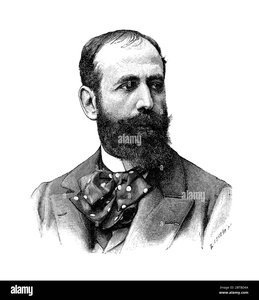
jean-françois raffaelli
1850 - 1924 , France
Quick Facts
- Birth Date: April 20, 1850
- Birth Place: Paris, France
- Death Date: February 11, 1924
- Influenced: None, 'influenced by': 'Jean-Léon Gérôme', 'movement': 'Realism, Impressionism', 'name': 'Jean-François Raffaëlli', 'nationality': 'French', 'notable works':

