

 Preview
 Send
Send Share
Share
 Details

 Download
 Similars
 X-Ray
X-Ray Diaporama
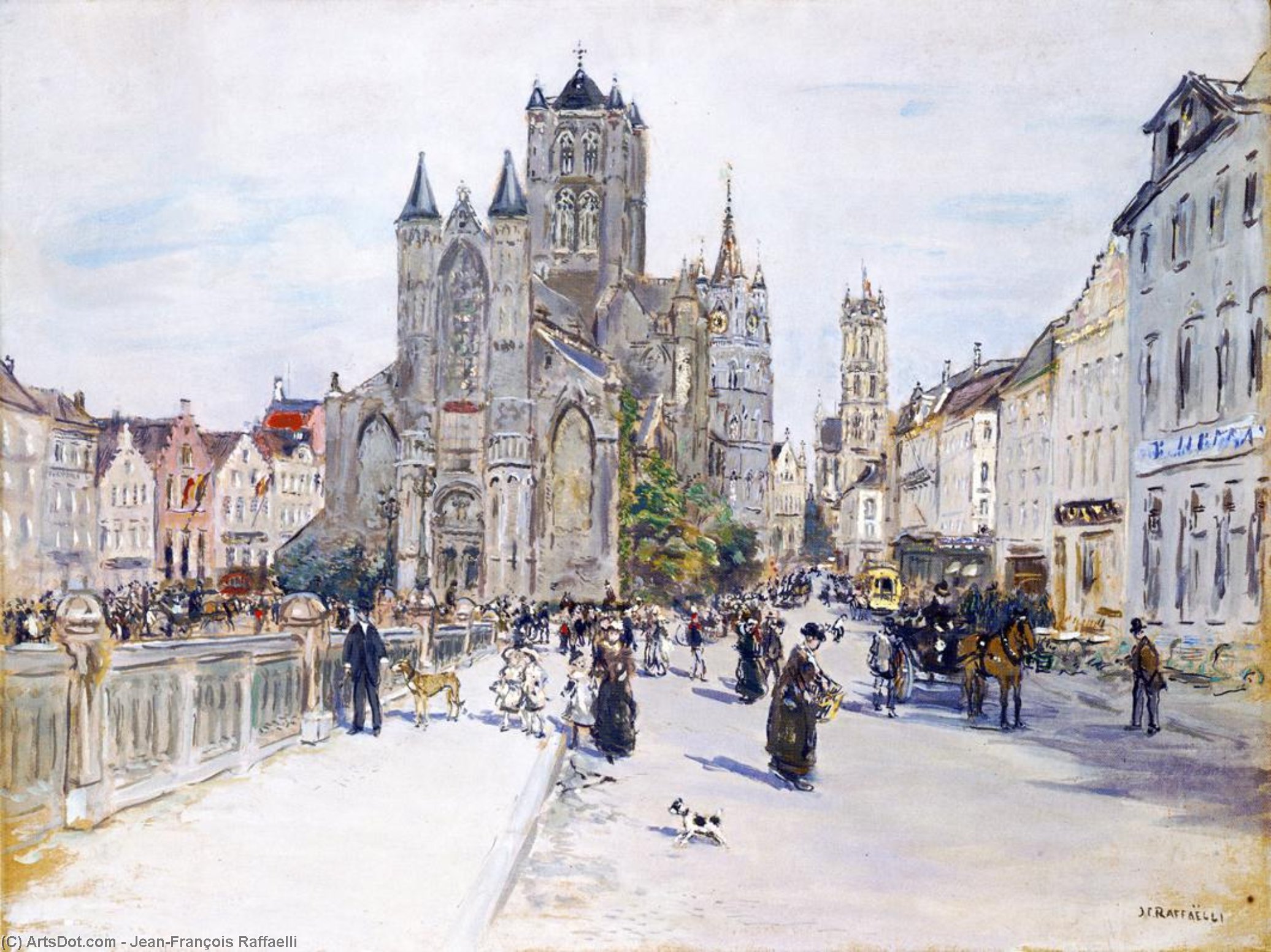
View of Ghent
 Oil On Canvas
- WallArt
- Impressionism
 1910
1910 65.0 x 86.0 cm
 Museum voor Schone Kunsten
 Read More
Purchase a high-resolution, enhanced digital image, far superior to the online preview.
Each file is meticulously prepared by our in-house specialists using advanced tools and expert manual retouching. We ensure every image has exceptional clarity, precise color accuracy, and fine detail.
The final file is delivered via email within 72 hours, optimized for immediate use in professional, editorial, and print environments. This is the same quality trusted by top-tier design studios, publishers, and galleries.
Digital Image
Download a high-resolution file for personal display, printing, and creative projects. ( Buy Print Buy Hand Made Painting)
Included in Every Digital Image Order
Expert Digital Delivery, Guaranteed
When you choose ArtsDot.com, you're not just getting an image - you're receiving a professionally enhanced digital artwork, crafted with precision and backed by a satisfaction guarantee. Here's everything that comes with your order, automatically:

Fast Email Delivery
Your high-resolution digital image file will be emailed to you within 72 hours of ordering - ready for immediate use.

AI-Enhanced Digital File
Your artwork is professionally optimized using advanced AI tools and manual editing, ensuring maximum detail, clarity, and color accuracy.

Free Lifetime Re-Delivery
Accidentally deleted or lost your file? No worries - we'll resend it to you anytime, free of charge.

No Import Fees - Ever
Enjoy your artwork instantly with zero customs, duties, or delivery fees - digital downloads are always tax-free.

Color Accuracy Guarantee
We ensure your digital image reflects the original colors as closely as possible using professional tools and color management.

60-Day Satisfaction Guarantee
If you're not satisfied with your digital image, we'll revise it or refund 100% within 60 days - no questions asked.

100% Money-Back Guarantee
Not satisfied? Get a full refund within 60 days of receiving your digital file - no questions asked.

Bulk Order Discounts
Buy 3 images, save 10% - Buy 5, save 15% - Buy 10+, save 20%. Great for creative projects, galleries, and agencies.
Collectible Description
Jean-François Raffaëlli’s “View of Ghent”: A Window into Urban Life
Jean-François Raffaëlli's "View of Ghent," painted in 1910, isn't merely a depiction of a Belgian city; it’s a poignant observation of modern life, rendered with the distinctive realism and emotional depth that defined his artistic philosophy. This oil painting captures a bustling street scene within Ghent, a vibrant hub of commerce and industry during the early 20th century, offering a glimpse into the daily rhythms and social textures of the era. Raffaëlli, deeply influenced by the burgeoning realist movement, sought to move beyond superficial representation, aiming instead to portray the lives and experiences of ordinary people with unflinching honesty.
The painting’s style firmly aligns with Raffaëlli's “caractérisme,” a theory he developed emphasizing meticulous observation and the portrayal of individual character. He wasn’t interested in idealized landscapes or grand historical narratives, but rather in capturing the essence of his subjects – here, the inhabitants of Ghent going about their business. The loose, expressive brushstrokes, characteristic of Impressionism yet grounded in a rigorous attention to detail, create a sense of immediacy and movement. Notice how the figures are not sharply defined portraits, but rather fragments of life interwoven into the fabric of the street, each contributing to the overall atmosphere.
Composition and Color: A Symphony of Urban Detail
The composition is masterfully balanced, utilizing a horizontal format that emphasizes the breadth of the street scene. The eye is naturally drawn towards the imposing presence of Saint Bavo Cathedral in the background, its twin towers anchoring the view and providing a sense of stability amidst the activity below. A low horizon line further amplifies this effect, placing the architecture at the forefront while allowing the sky to contribute subtly to the overall mood. The foreground features a bridge, acting as a visual barrier that invites the viewer into the scene, creating a dynamic interplay between observation and participation.
Raffaëlli’s color palette is deliberately muted and earthy – shades of grey, beige, brown, and pale blue dominate, reflecting the practical materials and atmospheric conditions of the day. Strategic accents of pink and orange punctuate the scene, adding warmth and visual interest to buildings and clothing, preventing the composition from becoming overly somber. The use of color isn’t about creating a picturesque vista; it's about accurately representing the light and shadow that define the urban environment.
Symbolism and Emotional Resonance
"View of Ghent" transcends a simple cityscape representation. It subtly evokes a sense of nostalgia and quiet contemplation, despite the apparent bustle of the street. The cathedral, a symbol of enduring faith and tradition, stands in stark contrast to the transient nature of urban life depicted below. The figures – pedestrians, a horse-drawn carriage, and a bicycle – represent the diverse social strata of Ghent, each engaged in their own routines and pursuits. Raffaëlli’s focus on these everyday details invites us to consider the lives of ordinary people and their place within the larger context of society.
The painting's realism also carries an undercurrent of melancholy. Raffaëlli was deeply concerned with the alienation and social inequalities of modern life, a theme he explored through his depictions of the working class and marginalized communities. “View of Ghent” subtly reflects this concern, suggesting a world where individuals are often caught in the currents of urban activity, struggling to maintain their identity and connection.
Technique and Legacy
The painting is executed in oil on canvas, utilizing a technique that blends Impressionistic looseness with Raffaëlli’s commitment to meticulous observation. Short, broken brushstrokes build up layers of color and texture, creating a sense of depth and immediacy. The artist skillfully employs linear perspective to establish spatial relationships, while atmospheric perspective subtly softens distant elements, enhancing the illusion of depth. Raffaëlli's work stands as a testament to his unique artistic vision – a powerful blend of realism, emotional sensitivity, and technical skill that continues to resonate with viewers today.
The painting’s legacy lies in its ability to capture not just a scene but also the spirit of an era. It serves as a valuable historical document, offering insights into the social and cultural landscape of Ghent at the turn of the 20th century. Reproductions of “View of Ghent” provide a tangible connection to this fascinating period, allowing us to experience Raffaëlli’s artistic vision firsthand.
Related Artworks



Artist Biography
Jean-François Raffaëlli: A Life in Realism
Born on April 20, 1850, in Paris, France, Jean-François Raffaëlli was a pivotal figure bridging Realism and Impressionism. Of Tuscan descent through his paternal grandparents, he carved a unique path as a painter, sculptor, and printmaker, deeply invested in portraying the lives of ordinary people.
Early Life and Training
Before dedicating himself to art, Raffaëlli explored interests in music and theatre. He began his painting career in 1870, quickly gaining recognition with an exhibited landscape at the Salon that same year. His formal artistic training was brief but impactful – three months under Jean-Léon Gérôme at the École des Beaux-Arts in Paris. However, he soon diverged from traditional academic styles to forge his own distinctive approach.
Artistic Style and Influences
Raffaëlli’s style is characterized by a profound commitment to realism, which he termed “caractérisme.” This theory emphasized meticulous observation of individuals within their social context. He sought not merely to depict appearances but to capture the essence of human experience. While influenced by Gérôme's technical skill, Raffaëlli found champions in influential critics like J.-K. Huysmans and Edgar Degas, who recognized his unique vision.
Artistic Development & Major Works
Initially focused on costume pictures, Raffaëlli’s work underwent a significant shift in 1876. He began to depict the lives of peasants, workers, and marginalized individuals – particularly ragpickers – in the suburbs of Paris. This focus reflected his interest in social commentary and the human condition.
- Les buveurs d'absinthe (The Absinthe Drinkers) - 1881: Perhaps his most famous work, originally titled *Les déclassés*, this painting offered a stark portrayal of societal alienation and is now housed in the California Palace of Legion of Honor.
- At the Caster's (1886): This piece exemplifies his focus on everyday life and is part of the collection at the Musée des Beaux-Arts in Lyon.
Exhibitions & Recognition
Raffaëlli participated in the Impressionist exhibitions of 1880 and 1881, invited by Degas despite not being strictly an Impressionist himself. This inclusion sparked debate within the group, as Monet resented the broadening scope of the exhibition. He received the Légion d'honneur in 1889, marking a significant milestone in his career.
Later Life and Legacy
Following his recognition, Raffaëlli shifted his focus to city scenes, continuing to explore themes of urban life and social dynamics. He also experimented with sculpture (though few examples survive today) and color printmaking in his later years. He passed away on February 11, 1924, leaving behind a body of work that continues to resonate for its honest portrayal of Parisian society.
Historical Significance
Jean-François Raffaëlli’s contribution lies in his ability to blend Realist principles with an empathetic understanding of human experience. His “caractérisme” offered a nuanced approach to social observation, influencing subsequent generations of artists interested in depicting the complexities of modern life. He remains a significant figure in 19th-century French art, bridging the gap between academic tradition and the emerging avant-garde.
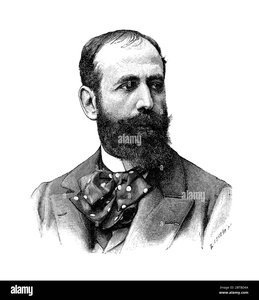
jean-françois raffaelli
1850 - 1924 , France
Quick Facts
- Birth Date: April 20, 1850
- Birth Place: Paris, France
- Death Date: February 11, 1924
- Influenced: None, 'influenced by': 'Jean-Léon Gérôme', 'movement': 'Realism, Impressionism', 'name': 'Jean-François Raffaëlli', 'nationality': 'French', 'notable works':

