

 Preview
 Send
Send Share
Share
 Details

 Download
 Similars
 X-Ray
X-Ray Diaporama
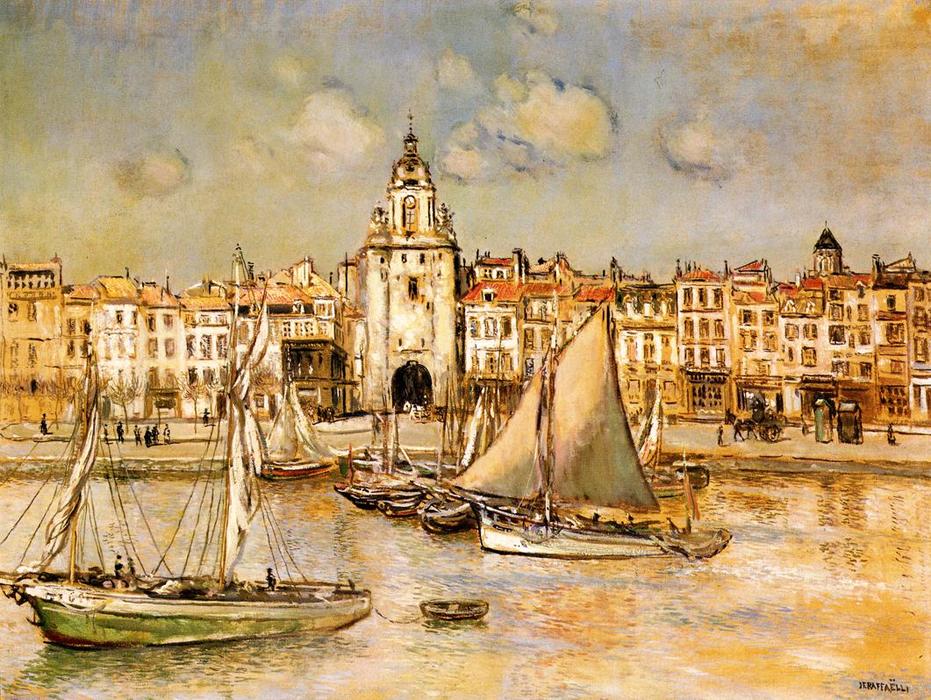
View of La Rochelle
 Acrylic On Canvas
- WallArt
- Realism/Caractérisme
 1914
1914- 19th Century
 65.0 x 87.0 cm
 Musée d'Orsay
 Read More
Purchase a high-resolution, enhanced digital image, far superior to the online preview.
Each file is meticulously prepared by our in-house specialists using advanced tools and expert manual retouching. We ensure every image has exceptional clarity, precise color accuracy, and fine detail.
The final file is delivered via email within 72 hours, optimized for immediate use in professional, editorial, and print environments. This is the same quality trusted by top-tier design studios, publishers, and galleries.
Digital Image
Download a high-resolution file for personal display, printing, and creative projects. ( Buy Print Buy Hand Made Painting)
Included in Every Digital Image Order
Expert Digital Delivery, Guaranteed
When you choose ArtsDot.com, you're not just getting an image - you're receiving a professionally enhanced digital artwork, crafted with precision and backed by a satisfaction guarantee. Here's everything that comes with your order, automatically:

Fast Email Delivery
Your high-resolution digital image file will be emailed to you within 72 hours of ordering - ready for immediate use.

AI-Enhanced Digital File
Your artwork is professionally optimized using advanced AI tools and manual editing, ensuring maximum detail, clarity, and color accuracy.

Free Lifetime Re-Delivery
Accidentally deleted or lost your file? No worries - we'll resend it to you anytime, free of charge.

No Import Fees - Ever
Enjoy your artwork instantly with zero customs, duties, or delivery fees - digital downloads are always tax-free.

Color Accuracy Guarantee
We ensure your digital image reflects the original colors as closely as possible using professional tools and color management.

60-Day Satisfaction Guarantee
If you're not satisfied with your digital image, we'll revise it or refund 100% within 60 days - no questions asked.

100% Money-Back Guarantee
Not satisfied? Get a full refund within 60 days of receiving your digital file - no questions asked.

Bulk Order Discounts
Buy 3 images, save 10% - Buy 5, save 15% - Buy 10+, save 20%. Great for creative projects, galleries, and agencies.
Collectible Description
A Window on a Vibrant Past: Exploring Jean-François Raffaëlli’s “View of La Rochelle”
Jean-François Raffaëlli's "View of La Rochelle," painted in 1914, isn’t merely a depiction of a coastal city; it’s a vibrant snapshot of a bygone era, imbued with the artist’s distinctive realist style – what he termed “caractérisme.” This painting offers a captivating glimpse into the bustling port of La Rochelle, a strategically vital location on France's Atlantic coast, and invites us to step back in time to experience its lively atmosphere. The scene unfolds before us: sailboats gracefully navigating the harbor, their white sails billowing against a subtly rendered sky, while a collection of boats – from sturdy fishing vessels to elegant yachts – adds layers of activity to the composition. Scattered amongst them are figures engaged in everyday life; men and women strolling along the waterfront, seemingly absorbed in conversation or simply enjoying the sea breeze. Raffaëlli masterfully captures not just the physical appearance of La Rochelle but also its spirit—a palpable sense of community and maritime tradition.

The Realist Vision: Raffaëlli’s “Caractérisme”
Raffaëlli, a pivotal figure bridging Realism and Impressionism, approached his subject with meticulous observation and an unwavering commitment to portraying the lives of ordinary people. His artistic philosophy, "caractérisme," prioritized detailed rendering of individual features – wrinkles, expressions, and textures – believing that this approach revealed deeper truths about human character and experience. In “View of La Rochelle,” we see this philosophy in action: each figure is rendered with remarkable precision, capturing not just their physical appearance but also a sense of their personality and place within the scene. The artist’s use of light and shadow is particularly noteworthy, creating a dynamic interplay of highlights and shadows that adds depth and realism to the composition. Notably, Raffaëlli's training under Jean-Léon Gérôme at the École des Beaux-Arts provided him with a solid foundation in traditional techniques, which he then skillfully adapted to his own unique style.
A City of Commerce and History
La Rochelle itself holds significant historical importance. Throughout its history, it has served as a vital port for trade and commerce, particularly with England during the Plantagenet era. The city’s strategic location on the Atlantic coast made it a crucial hub for maritime activity, attracting merchants, sailors, and artisans from across Europe. Raffaëlli's painting captures this rich history, evoking the spirit of a thriving port town—a place where ships arrived laden with goods, and where people gathered to exchange news and stories. The presence of the sailboats suggests the ongoing importance of maritime trade, while the figures along the waterfront hint at the city’s vibrant social life.
Symbolism and Emotional Resonance
Beyond its realistic depiction of a coastal scene, “View of La Rochelle” resonates with deeper symbolic meaning. Raffaëlli's focus on everyday people—their interactions, their leisure activities—reflects his interest in portraying the complexities of modern life. The painting’s lively atmosphere and sense of community suggest a celebration of human connection and resilience. The subtle play of light and shadow creates an emotional depth that invites viewers to contemplate the beauty and challenges of life in this historic port city. It's a scene brimming with quiet energy, capturing a moment suspended in time—a testament to Raffaëlli’s ability to transform observation into art.
Related Artworks
Artist Biography
Jean-François Raffaëlli: A Life in Realism
Born on April 20, 1850, in Paris, France, Jean-François Raffaëlli was a pivotal figure bridging Realism and Impressionism. Of Tuscan descent through his paternal grandparents, he carved a unique path as a painter, sculptor, and printmaker, deeply invested in portraying the lives of ordinary people.
Early Life and Training
Before dedicating himself to art, Raffaëlli explored interests in music and theatre. He began his painting career in 1870, quickly gaining recognition with an exhibited landscape at the Salon that same year. His formal artistic training was brief but impactful – three months under Jean-Léon Gérôme at the École des Beaux-Arts in Paris. However, he soon diverged from traditional academic styles to forge his own distinctive approach.
Artistic Style and Influences
Raffaëlli’s style is characterized by a profound commitment to realism, which he termed “caractérisme.” This theory emphasized meticulous observation of individuals within their social context. He sought not merely to depict appearances but to capture the essence of human experience. While influenced by Gérôme's technical skill, Raffaëlli found champions in influential critics like J.-K. Huysmans and Edgar Degas, who recognized his unique vision.
Artistic Development & Major Works
Initially focused on costume pictures, Raffaëlli’s work underwent a significant shift in 1876. He began to depict the lives of peasants, workers, and marginalized individuals – particularly ragpickers – in the suburbs of Paris. This focus reflected his interest in social commentary and the human condition.
- Les buveurs d'absinthe (The Absinthe Drinkers) - 1881: Perhaps his most famous work, originally titled *Les déclassés*, this painting offered a stark portrayal of societal alienation and is now housed in the California Palace of Legion of Honor.
- At the Caster's (1886): This piece exemplifies his focus on everyday life and is part of the collection at the Musée des Beaux-Arts in Lyon.
Exhibitions & Recognition
Raffaëlli participated in the Impressionist exhibitions of 1880 and 1881, invited by Degas despite not being strictly an Impressionist himself. This inclusion sparked debate within the group, as Monet resented the broadening scope of the exhibition. He received the Légion d'honneur in 1889, marking a significant milestone in his career.
Later Life and Legacy
Following his recognition, Raffaëlli shifted his focus to city scenes, continuing to explore themes of urban life and social dynamics. He also experimented with sculpture (though few examples survive today) and color printmaking in his later years. He passed away on February 11, 1924, leaving behind a body of work that continues to resonate for its honest portrayal of Parisian society.
Historical Significance
Jean-François Raffaëlli’s contribution lies in his ability to blend Realist principles with an empathetic understanding of human experience. His “caractérisme” offered a nuanced approach to social observation, influencing subsequent generations of artists interested in depicting the complexities of modern life. He remains a significant figure in 19th-century French art, bridging the gap between academic tradition and the emerging avant-garde.
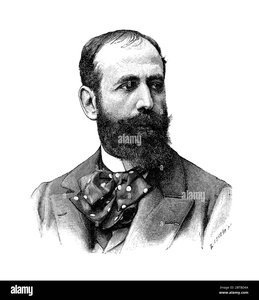
jean-françois raffaelli
1850 - 1924 , France
Quick Facts
- Birth Date: April 20, 1850
- Birth Place: Paris, France
- Death Date: February 11, 1924
- Influenced: None, 'influenced by': 'Jean-Léon Gérôme', 'movement': 'Realism, Impressionism', 'name': 'Jean-François Raffaëlli', 'nationality': 'French', 'notable works':

