

 Send
Send Share
Share
 Details

 Download
 Similars
 Diaporama
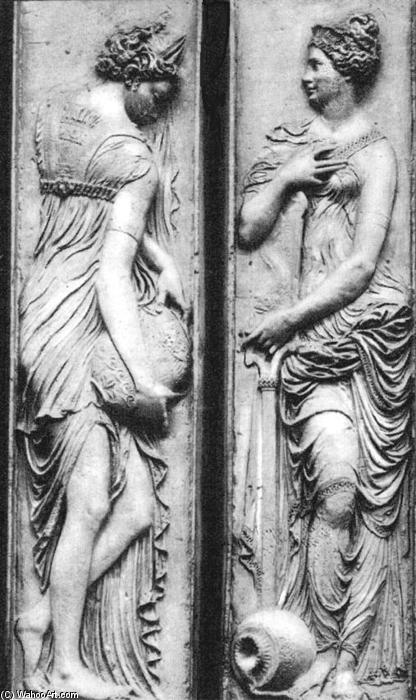
Nymphs (detail) (12)


 Read More
Purchase a high-resolution, enhanced digital image, far superior to the online preview.
Each file is meticulously prepared by our in-house specialists using advanced tools and expert manual retouching. We ensure every image has exceptional clarity, precise color accuracy, and fine detail.
The final file is delivered via email within 72 hours, optimized for immediate use in professional, editorial, and print environments. This is the same quality trusted by top-tier design studios, publishers, and galleries.
Digital Image
Download a high-resolution file for personal display, printing, and creative projects. ( Buy Print Buy Hand Made Painting)
Included in Every Digital Image Order
Expert Digital Delivery, Guaranteed
When you choose ArtsDot.com, you're not just getting an image - you're receiving a professionally enhanced digital artwork, crafted with precision and backed by a satisfaction guarantee. Here's everything that comes with your order, automatically:

Fast Email Delivery
Your high-resolution digital image file will be emailed to you within 72 hours of ordering - ready for immediate use.

AI-Enhanced Digital File
Your artwork is professionally optimized using advanced AI tools and manual editing, ensuring maximum detail, clarity, and color accuracy.

Free Lifetime Re-Delivery
Accidentally deleted or lost your file? No worries - we'll resend it to you anytime, free of charge.

No Import Fees - Ever
Enjoy your artwork instantly with zero customs, duties, or delivery fees - digital downloads are always tax-free.

Color Accuracy Guarantee
We ensure your digital image reflects the original colors as closely as possible using professional tools and color management.

60-Day Satisfaction Guarantee
If you're not satisfied with your digital image, we'll revise it or refund 100% within 60 days - no questions asked.

100% Money-Back Guarantee
Not satisfied? Get a full refund within 60 days of receiving your digital file - no questions asked.

Bulk Order Discounts
Buy 3 images, save 10% - Buy 5, save 15% - Buy 10+, save 20%. Great for creative projects, galleries, and agencies.
Collectible Description
Jean Goujon: The Sculptor Who Shaped Parisian Elegance
Jean Goujon (c. 1510 – c. 1567) stands as a cornerstone of French Renaissance sculpture and architecture, embodying the stylistic fervor of Mannerism while simultaneously grounding itself in classical ideals. Born in Normandy, his early life remains shrouded in obscurity, yet his prolific output quickly established him as one of the era’s foremost artistic voices—a testament to his prodigious talent and unwavering dedication to craft. Goujon's journey began with formative experiences in Italy, where he absorbed the grandeur of Roman sculpture and integrated its principles into his own distinctive style. This influence is palpable throughout his oeuvre, particularly evident in his masterful handling of drapery and anatomical precision. He became a celebrated figure during Louis XIV’s reign, overseeing monumental projects at Versailles and cementing his legacy as an architect who elevated French artistic standards.The Tomb Monument to Louis de Brézé: A Masterpiece of Rouen Cathedral
Goujon's most ambitious undertaking was undoubtedly the tomb monument to Louis de Brézé, seigneur d’Aiguillon—a commission that would define his artistic maturity and solidify his reputation as a sculptor of unparalleled skill. Constructed between 1541 and 1542 at Rouen Cathedral, this monumental sculpture depicts Louis kneeling in prayer, surrounded by drapery that cascades downwards with breathtaking grace. The sheer scale of the piece demanded meticulous planning and execution, showcasing Goujon’s mastery of spatial illusion and his ability to convey profound emotion through sculpted form. It exemplifies the Mannerist style—characterized by exaggerated proportions, stylized poses, and a deliberate distortion of naturalism—yet retains an underlying reverence for classical harmony.A Celebration of Classical Ideals: The Influence of Roman Sculpture
Goujon’s artistic sensibilities were profoundly shaped by his exposure to Roman sculpture during his travels in Italy. Artists like Michelangelo and Bernini had revived the traditions of antiquity, prioritizing anatomical accuracy and idealized beauty—principles that Goujon wholeheartedly embraced. This influence is evident in every aspect of his work, from the meticulous rendering of musculature to the elegant drapery folds that mimic the flowing robes of Roman emperors. He skillfully employed techniques honed during his formative years abroad, ensuring that his sculptures resonated with the spirit of classical art.Symbolism and Emotion: The Fallen Amphora at Nymphs’ Feet
The sculpture's composition is imbued with symbolic significance. The fallen amphora resting at the feet of one nymph serves as a poignant reminder of mortality—a motif frequently employed in Renaissance art to convey themes of contemplation and acceptance. Simultaneously, the graceful poses and flowing drapery express serenity and nobility, reflecting Goujon’s belief that sculpture could elevate the human spirit. The diffused lighting enhances the three-dimensional effect, creating soft shadows that illuminate the sculpted figures with an ethereal glow—a testament to Goujon's technical prowess and his ability to capture fleeting moments of beauty.Versailles: Shaping the Vision of French Baroque
Goujon’s contribution to Versailles extended beyond architectural ornamentation; he oversaw the creation of monumental sculptures adorning the palace gardens, furthering the baroque aesthetic's grandeur and theatricality. His sculptures at Versailles are considered among the finest examples of French Baroque sculpture, demonstrating his ability to synthesize classical ideals with dramatic expression—a hallmark of Louis XIV’s artistic patronage. Goujon’s legacy continues to inspire artists today, securing his place as one of France’s most influential sculptors and architects.Related Artworks
Artist Biography
The Sculptor Who Shaped Parisian Elegance
Jean Goujon (c. 1510 – c. 1567) stands as a cornerstone of French Renaissance sculpture and architecture, embodying the stylistic fervor of Mannerism while simultaneously grounding itself in classical ideals. Born in Normandy, his early life remains shrouded in obscurity, yet his prolific output quickly established him as one of the era’s foremost artistic voices—a testament to his prodigious talent and unwavering dedication to craft. Goujon's journey began with formative experiences in Italy, where he absorbed the grandeur of Roman sculpture and integrated its principles into his own distinctive style. This influence is palpable throughout his oeuvre, particularly evident in his masterful handling of drapery and anatomical precision.
His artistic ascent commenced in Rouen Cathedral (1541-42), where he undertook the monumental task of sculpting the tomb monument to Louis de Brézé, seigneur d'Anet—a commission that showcased his burgeoning skill and ambition. This ambitious project cemented his reputation as a rising star within the French sculptural landscape. Simultaneously, he honed his architectural prowess at Saint-Maclou Church, demonstrating an innate ability to blend artistic vision with structural engineering. The resulting edifice stands as a magnificent example of Renaissance ecclesiastical architecture, reflecting Gouseb's commitment to both aesthetic beauty and functional integrity.
A Partnership of Visionary Grandeur
Moving to Paris in 1544, Goujon entered into a pivotal partnership with Pierre Lescot, the architect overseeing the ambitious reconstruction of Saint-Germain-l'Auxerrois cathedral. Together, they conceived and executed breathtaking sculptural decorations—most notably the pulpit—a masterpiece that exemplifies Lescot’s neoclassical sensibilities and Goujon’s masterful drapery technique. This era of collaboration defined the visual language of the French Renaissance, as Goujon began to infuse stone with a sense of fluid movement and ethereal grace.
The height of his influence is perhaps most visible in his contributions to the Louvre. His work on the Façade of the Cour Carrée (wing Lescot) remains an iconic achievement, showcasing classical elegance through intricate carvings that reflect French artistic brilliance. In these works, one can observe the delicate interplay of light and shadow across sculpted figures, a hallmark of his ability to breathe life into cold marble. His mastery extended to the Façade of the Louvre (detail), where his exquisite attention to detail created a masterpiece of Mannerist style, blending classical elegance with intricate carvings that continue to captivate viewers centuries later.
Legacy of Grace and Classical Form
Goujon's legacy is defined by an unparalleled ability to harmonize the tension of Mannerism with the serenity of Classicism. His sculptures often feature nymphs and allegorical figures that seem to float within their architectural settings, a technique most famously realized in his Caryatides. These ten masterful figures represent the pinnacle of 16th-century French Renaissance sculpture, bringing a sense of classical grandeur and sophisticated elegance to the viewer. Through these works, Goujon did more than decorate buildings; he sculpted the very identity of French aesthetic refinement.
The historical significance of his work cannot be overstated, as his approach to anatomy and drapery influenced generations of European artists. His ability to transform heavy stone into flowing, rhythmic forms established a standard for French Classicism that would endure long after his death. Today, the remnants of his genius—from the intricate details of the Louvre's wings to his profound influence on architectural ornamentation—serve as a lasting testament to a man who truly shaped the elegance of Paris.
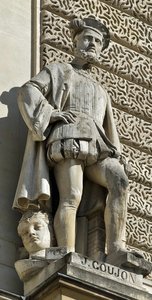
Jean Goujon
1510 - 1567 , France
Quick Facts
- Artistic Movement Or Style: Mannerism
- Artists Or Movements Influenced By This Artist: ['French Classicism']
- Artists Who Influenced This Artist: ['Michelangelo']
- Date Of Birth: c. 1510 Normandy France
- Date Of Death: c. 1567
- Full Name: Jean Goujon
- Nationality: French
- Notable Artworks:
- Nymphs (detail)
- Pietà
- War and Peace
- Fontaine des Innocents
- Louvre Sculptures
- Place Of Birth: Normandy France

