

 Preview
 Send
Send Share
Share
 Details

 Download
 Similars
 X-Ray
X-Ray Diaporama
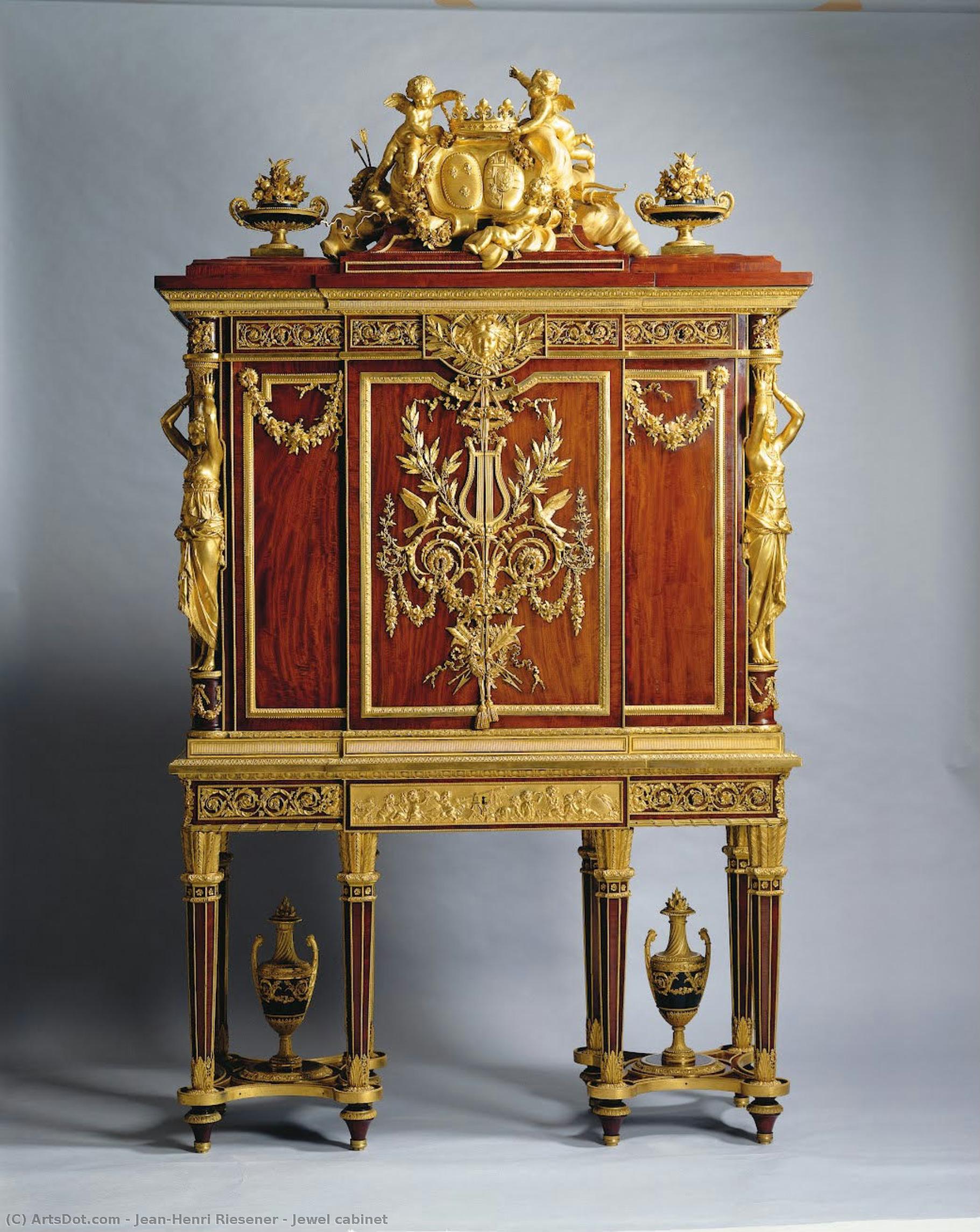
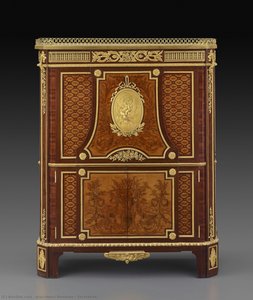
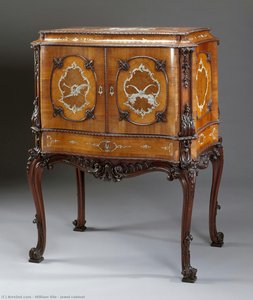
Jewel cabinet
 Oil On Canvas
- WallArt
- Louis XVI Style
 1787
1787- 19th Century
 46.0 x 54.0 cm
 Royal Collection
 Read More
Purchase a high-resolution, enhanced digital image, far superior to the online preview.
Each file is meticulously prepared by our in-house specialists using advanced tools and expert manual retouching. We ensure every image has exceptional clarity, precise color accuracy, and fine detail.
The final file is delivered via email within 72 hours, optimized for immediate use in professional, editorial, and print environments. This is the same quality trusted by top-tier design studios, publishers, and galleries.
Digital Image
Download a high-resolution file for personal display, printing, and creative projects. ( Buy Print Buy Hand Made Painting)
Included in Every Digital Image Order
Expert Digital Delivery, Guaranteed
When you choose ArtsDot.com, you're not just getting an image - you're receiving a professionally enhanced digital artwork, crafted with precision and backed by a satisfaction guarantee. Here's everything that comes with your order, automatically:

Fast Email Delivery
Your high-resolution digital image file will be emailed to you within 72 hours of ordering - ready for immediate use.

AI-Enhanced Digital File
Your artwork is professionally optimized using advanced AI tools and manual editing, ensuring maximum detail, clarity, and color accuracy.

Free Lifetime Re-Delivery
Accidentally deleted or lost your file? No worries - we'll resend it to you anytime, free of charge.

No Import Fees - Ever
Enjoy your artwork instantly with zero customs, duties, or delivery fees - digital downloads are always tax-free.

Color Accuracy Guarantee
We ensure your digital image reflects the original colors as closely as possible using professional tools and color management.

60-Day Satisfaction Guarantee
If you're not satisfied with your digital image, we'll revise it or refund 100% within 60 days - no questions asked.

100% Money-Back Guarantee
Not satisfied? Get a full refund within 60 days of receiving your digital file - no questions asked.

Bulk Order Discounts
Buy 3 images, save 10% - Buy 5, save 15% - Buy 10+, save 20%. Great for creative projects, galleries, and agencies.
Collectible Description
A Jewel Box of Louis XVI Grandeur: The Riesener Cabinet
The mahogany and gilt bronze jewel cabinet crafted by Jean-Henri Riesener in 1787 stands as a breathtaking testament to the opulence and refined artistry of late 18th-century France. More than simply a storage piece, it’s a miniature palace – a meticulously constructed world of intricate detail, luxurious materials, and subtle symbolism that speaks volumes about its aristocratic patrons and the era in which it was born. Its presence immediately commands attention, not merely for its size (measuring 246cm x 147cm), but for the sheer density of embellishment and the masterful execution evident in every facet of its design.
Riesener, a prominent cabinetmaker working under the patronage of both Louis XVI and Marie-Antoinette, was renowned for his ability to seamlessly blend classical restraint with extravagant ornamentation. This particular piece exemplifies his signature style: a foundation of elegant, unadorned mahogany – a deliberate choice reflecting the fashionable preference of the time – overlaid with a dazzling profusion of gilt bronze detailing. The cabinet’s construction is a marvel of craftsmanship; the veneers are flawlessly laid, creating a surface that shimmers with subtle depth and warmth. The joinery is precise and seamless, demonstrating a level of skill rarely achieved in furniture making during this period.
A Symphony of Symbolism
Beyond its technical brilliance, the cabinet is rich in symbolic meaning. The prominent coat of arms – depicting both the Bourbon and Savoy families – immediately identifies it as belonging to the comtesse de Provence, Marie-Joséphine-Louise, wife of Louis XVI’s younger brother, the Comte de Provence (later Louis XVIII). This association with royalty and lineage elevates the piece beyond a mere decorative object; it becomes a tangible link to French history and aristocratic heritage. The putti – cherubic figures holding a crown – are a classic emblem of royal power and prosperity, reinforcing this sense of grandeur. The doves, depicted within the elaborate bronze framework, represent peace and fidelity, while the astronomical instruments suggest an interest in knowledge and the heavens.
Further adding to the cabinet’s narrative is its history. Originally intended for the Princess's bedroom at Versailles, it was later moved to the Provence apartment in the Palais du Petit-Luxembourg. Its subsequent confiscation during the French Revolution and sale through various channels – including a brief period under Napoleon’s ownership – adds layers of intrigue to its story. Each previous owner has left their mark, subtly altering the cabinet's trajectory and contributing to its unique character.
The Art of Gilt Bronze
The gilt bronze mounts are arguably the most captivating element of the cabinet. Crafted by a master bronzier (likely Étienne Martincourt), these figures are not merely decorative; they are miniature sculptures in their own right. The intricate detailing – from the swirling foliage to the delicate drapery and the watchful sentinel female figures – demonstrates an extraordinary level of skill and patience. The application of gold leaf, meticulously layered onto the bronze surfaces, creates a luminous sheen that catches the light at every angle, transforming the cabinet into a veritable jewel box. The use of contrasting textures—the smooth polish of the mahogany against the raised relief of the bronze—further enhances the visual impact.
A Legacy of Luxury and Craftsmanship
The Riesener Jewel Cabinet is more than just a beautiful object; it’s a window into a bygone era. It embodies the extravagance, artistry, and political intrigue of late 18th-century France. Its exquisite craftsmanship, rich symbolism, and fascinating history make it a truly exceptional piece of furniture – a testament to the enduring legacy of Jean-Henri Riesener and his unparalleled skill as a cabinetmaker.
Related Artworks

Artist Biography
John Glover: The Painter of English Light
Born in Houghton-on-the-Hill, Leicestershire, in 1767, John Glover’s life and career unfolded across two distinct landscapes – the bustling urbanity of London and the burgeoning pastoral beauty of Van Diemen's Land (later Tasmania). Initially trained as a drawing master, Glover’s artistic talent quickly outstripped his initial ambitions. He transitioned to painting, establishing himself as a significant figure in both the British and, eventually, Australian art scenes. Often dubbed “the English Claude,” Glover’s legacy rests on his masterful depictions of light and atmosphere, particularly within landscapes – a style that profoundly influenced generations of artists to come.
Glover's early career was firmly rooted in London. He became a member of the Old Water Colour Society, a prestigious group dedicated to landscape painting, and later served as its president. His work during this period leaned heavily towards the “Italo-English” style, characterized by idealized views of Italianate scenery – rolling hills, cypress trees, and sun-drenched villas – that were immensely popular with British patrons. These paintings weren’t merely reproductions; Glover imbued them with a sense of romanticism and drama, employing atmospheric perspective and carefully considered compositions to evoke feelings of tranquility and grandeur. He was particularly adept at capturing the fleeting effects of light, earning him the moniker “the English Claude,” a comparison to the celebrated French landscape painter Claude Lorrain, known for his luminous and theatrical depictions of nature.
- Key Influences: Glover’s artistic development was shaped by several key influences. The works of Claude Lorrain provided a foundational understanding of atmospheric perspective and dramatic lighting. He also drew inspiration from the Dutch Masters, particularly their use of color and brushwork to create depth and realism.
- Technique: Glover's technique evolved significantly throughout his career. Initially, he favored a more detailed, almost academic style, meticulously rendering every leaf and stone. However, as he moved to Van Diemen’s Land, his approach became looser and more expressive, prioritizing capturing the essence of light and atmosphere over precise detail.
The Pastoral Pioneer: Life in Van Diemen's Land
In 1835, Glover embarked on a transformative journey to Van Diemen’s Land (now Tasmania), then a frontier colony undergoing rapid expansion. This move marked a pivotal moment in his artistic career and cemented his reputation as the “father of Australian landscape painting.” The starkly different environment – vast open plains, rugged mountains, and eucalyptus forests – presented a new set of challenges and opportunities for an artist accustomed to the refined landscapes of England.
Initially, Glover struggled to find acceptance among the established colonial artists. However, his unique ability to capture the light and atmosphere of the Tasmanian wilderness gradually gained recognition. He began painting scenes of pastoral life – sheep stations, native settlements, and the dramatic coastal scenery – with a keen eye for detail and an understanding of the local environment. His paintings offered a romanticized yet authentic portrayal of colonial Australia, capturing both its beauty and its hardships.
- Subject Matter: Glover’s Tasmanian works shifted dramatically from his earlier Italianate landscapes. He depicted scenes of native life, pastoral settlements, and the rugged coastline – subjects that reflected the realities of colonial existence.
- Style Evolution: His style in Tasmania became looser and more expressive, reflecting the vastness and drama of the landscape. He employed a broken brushstroke technique to convey movement and atmosphere, capturing the essence of the Tasmanian wilderness with remarkable skill.
Symbolism and Narrative in Glover’s Landscapes
Beyond simply depicting scenes from nature, Glover's paintings are rich in symbolism and narrative. His landscapes aren’t merely picturesque views; they are carefully constructed compositions that convey deeper meanings about human experience, the relationship between humanity and nature, and the passage of time. He frequently incorporated classical motifs – ruins, statues, and mythological figures – into his scenes, subtly referencing ancient traditions and adding layers of intellectual depth.
Glover’s use of light is particularly significant in this regard. He masterfully employed chiaroscuro—the dramatic contrast between light and shadow—to create a sense of drama and atmosphere. Light isn't simply illuminating the scene; it’s actively shaping the narrative, guiding the viewer’s eye and evoking specific emotions. For example, in paintings like “Mount Wellington and Hobart Town from Kangaroo Point,” the golden light of dawn bathes the landscape in an ethereal glow, creating a sense of tranquility and beauty.
Key Symbolic Elements:**- Ruins: Often represent the passage of time and the decline of civilizations.
- Statues: Frequently evoke classical mythology and allegorical themes.
- Trees & Foliage: Used to frame scenes, create depth, and symbolize various aspects of nature – growth, decay, and renewal.
Legacy and Historical Significance
John Glover’s impact on the development of landscape painting in both England and Australia is undeniable. His pioneering work in Tasmania established a new tradition of Australian landscape art, inspiring generations of artists to capture the beauty and drama of the continent's wilderness. He demonstrated that landscape could be more than just a pretty picture; it could be a vehicle for exploring complex themes and ideas.
Glover’s influence extends beyond Australia. His innovative use of light, atmosphere, and symbolism paved the way for later artists such as J.M.W. Turner and the Impressionists. He is remembered not only as a skilled painter but also as a visionary who helped to shape the course of art history. His paintings continue to be exhibited and admired today, testament to his enduring legacy as “the father of Australian landscape painting.”
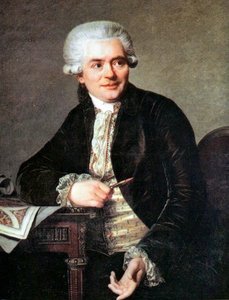
jean henri riesener
1767 - 1828 , Germany
Quick Facts
- Artistic Movement Or Style: Claudean landscape
- Artists Or Movements Influenced By This Artist: ['Impressionists']
- Artists Who Influenced This Artist: ['Claude Lorrain']
- Date Of Birth: 18 February 1767
- Date Of Death: 9 December 1849
- Full Name: John Glover
- Nationality: British
- Notable Artworks:
- Mount Wellington...
- Natives on Ouse...
- A view of his house
- Place Of Birth: Houghton-on-the-Hill, Leicestershire

