

 Send
Send Share
Share
 Details

 Download
 Similars
 Diaporama
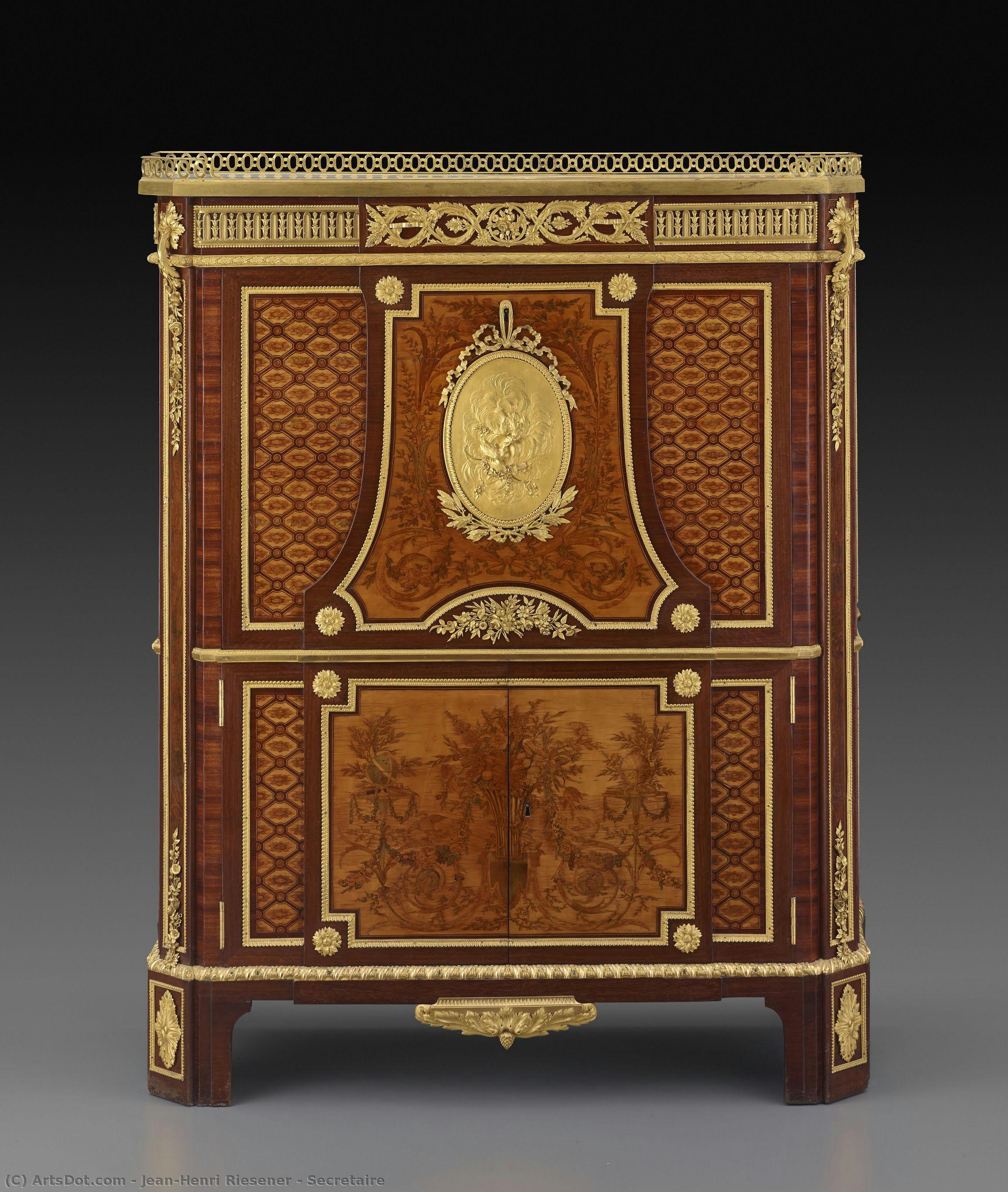
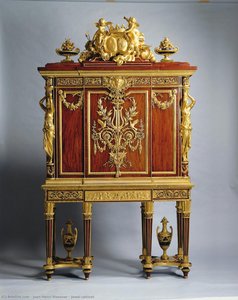
Secretaire
 Wood
Wood- Sculpture
- Neoclassicism
 1790
1790 143.0 x 115.0 cm
 The Frick Collection
 Read More
Purchase a high-resolution, enhanced digital image, far superior to the online preview.
Each file is meticulously prepared by our in-house specialists using advanced tools and expert manual retouching. We ensure every image has exceptional clarity, precise color accuracy, and fine detail.
The final file is delivered via email within 72 hours, optimized for immediate use in professional, editorial, and print environments. This is the same quality trusted by top-tier design studios, publishers, and galleries.
Digital Image
Download a high-resolution file for personal display, printing, and creative projects. ( Buy Print Buy Hand Made Painting)
Included in Every Digital Image Order
Expert Digital Delivery, Guaranteed
When you choose ArtsDot.com, you're not just getting an image - you're receiving a professionally enhanced digital artwork, crafted with precision and backed by a satisfaction guarantee. Here's everything that comes with your order, automatically:

Fast Email Delivery
Your high-resolution digital image file will be emailed to you within 72 hours of ordering - ready for immediate use.

AI-Enhanced Digital File
Your artwork is professionally optimized using advanced AI tools and manual editing, ensuring maximum detail, clarity, and color accuracy.

Free Lifetime Re-Delivery
Accidentally deleted or lost your file? No worries - we'll resend it to you anytime, free of charge.

No Import Fees - Ever
Enjoy your artwork instantly with zero customs, duties, or delivery fees - digital downloads are always tax-free.

Color Accuracy Guarantee
We ensure your digital image reflects the original colors as closely as possible using professional tools and color management.

60-Day Satisfaction Guarantee
If you're not satisfied with your digital image, we'll revise it or refund 100% within 60 days - no questions asked.

100% Money-Back Guarantee
Not satisfied? Get a full refund within 60 days of receiving your digital file - no questions asked.

Bulk Order Discounts
Buy 3 images, save 10% - Buy 5, save 15% - Buy 10+, save 20%. Great for creative projects, galleries, and agencies.
Collectible Description
The Echoes of Aristocratic Life: A Riesener Secretaire
To stand before this magnificent secretaire is to step directly into the gilded salons of late eighteenth-century Paris. This piece, attributed to Jean-Henri Riesener, whispers tales of royal patronage and the shifting tides of history that swept through the French aristocracy. Crafted around 1790, it embodies a moment of profound transition; the opulence of the ancien régime meeting the necessity for elegant adaptation. The very structure speaks of its storied past—a piece that was once grandly scaled for palatial rooms but was later thoughtfully reduced and refined to suit a more intimate, yet still regal, existence.
Mastery in Marquetry and Form
The visual impact of this cabinet is immediate and breathtaking. It is a symphony played out in wood, where the deep, warm tones of the base material provide a rich counterpoint to the luminous gleam of the gold leaf accents. The technique employed here is marquetry—an art form demanding unparalleled precision. Observe how various exotic woods, perhaps including burl veneers, have been meticulously cut and fitted together to create complex geometric patterns interwoven with delicate pictorial scenes. These inlaid panels are not mere decoration; they are narrative windows. The interplay between the strong vertical lines defining the cabinet’s stately silhouette and the softer, organic curves found in the decorative mounts creates a perfect tension—a hallmark of the refined Louis XVI style.
A History Etched in Wood
Jean-Henri Riesener was more than just a cabinetmaker; he was an artisan intimately connected to the highest echelons of French power. His career saw him serving as ébéniste du roi, crafting furniture for royalty through periods of immense cultural upheaval. This specific piece carries that weight of history. The fact that it bears evidence of being reworked—shortened and updated with new marquetry panels—is perhaps its most poignant feature. It suggests a life lived through revolution; an object forced to adapt its grandeur to survive the dramatic changes in its environment, yet retaining its inherent dignity and exquisite craftsmanship.
Symbolism of Refinement and Light
Emotionally, this secretaire evokes a powerful sense of restrained luxury. It speaks not only of wealth but of cultivated taste—the appreciation for artistry that transcends mere function. The subtle palette, dominated by browns, golds, and creamy inlays, catches the light with an almost living quality. These pieces were designed to be viewed, admired, and contemplated. They symbolize a commitment to enduring beauty, suggesting that true elegance is not loud or ostentatious, but rather deeply considered, perfectly balanced, and imbued with the passage of time.
Bringing Salon Grandeur Home
For the modern collector or designer, this reproduction offers an unparalleled opportunity to integrate historical grandeur into contemporary living spaces. While its scale (143 x 115 cm) commands attention, its refined detailing ensures it remains a focal point of sophisticated calm. Owning such a piece is not simply acquiring furniture; it is curating a narrative—a tangible connection to the artistry and elevated lifestyle of an era defined by unparalleled decorative genius.
Related Artworks
Artist Biography
John Glover: The Painter of English Light
Born in Houghton-on-the-Hill, Leicestershire, in 1767, John Glover’s life and career unfolded across two distinct landscapes – the bustling urbanity of London and the burgeoning pastoral beauty of Van Diemen's Land (later Tasmania). Initially trained as a drawing master, Glover’s artistic talent quickly outstripped his initial ambitions. He transitioned to painting, establishing himself as a significant figure in both the British and, eventually, Australian art scenes. Often dubbed “the English Claude,” Glover’s legacy rests on his masterful depictions of light and atmosphere, particularly within landscapes – a style that profoundly influenced generations of artists to come.
Glover's early career was firmly rooted in London. He became a member of the Old Water Colour Society, a prestigious group dedicated to landscape painting, and later served as its president. His work during this period leaned heavily towards the “Italo-English” style, characterized by idealized views of Italianate scenery – rolling hills, cypress trees, and sun-drenched villas – that were immensely popular with British patrons. These paintings weren’t merely reproductions; Glover imbued them with a sense of romanticism and drama, employing atmospheric perspective and carefully considered compositions to evoke feelings of tranquility and grandeur. He was particularly adept at capturing the fleeting effects of light, earning him the moniker “the English Claude,” a comparison to the celebrated French landscape painter Claude Lorrain, known for his luminous and theatrical depictions of nature.
- Key Influences: Glover’s artistic development was shaped by several key influences. The works of Claude Lorrain provided a foundational understanding of atmospheric perspective and dramatic lighting. He also drew inspiration from the Dutch Masters, particularly their use of color and brushwork to create depth and realism.
- Technique: Glover's technique evolved significantly throughout his career. Initially, he favored a more detailed, almost academic style, meticulously rendering every leaf and stone. However, as he moved to Van Diemen’s Land, his approach became looser and more expressive, prioritizing capturing the essence of light and atmosphere over precise detail.
The Pastoral Pioneer: Life in Van Diemen's Land
In 1835, Glover embarked on a transformative journey to Van Diemen’s Land (now Tasmania), then a frontier colony undergoing rapid expansion. This move marked a pivotal moment in his artistic career and cemented his reputation as the “father of Australian landscape painting.” The starkly different environment – vast open plains, rugged mountains, and eucalyptus forests – presented a new set of challenges and opportunities for an artist accustomed to the refined landscapes of England.
Initially, Glover struggled to find acceptance among the established colonial artists. However, his unique ability to capture the light and atmosphere of the Tasmanian wilderness gradually gained recognition. He began painting scenes of pastoral life – sheep stations, native settlements, and the dramatic coastal scenery – with a keen eye for detail and an understanding of the local environment. His paintings offered a romanticized yet authentic portrayal of colonial Australia, capturing both its beauty and its hardships.
- Subject Matter: Glover’s Tasmanian works shifted dramatically from his earlier Italianate landscapes. He depicted scenes of native life, pastoral settlements, and the rugged coastline – subjects that reflected the realities of colonial existence.
- Style Evolution: His style in Tasmania became looser and more expressive, reflecting the vastness and drama of the landscape. He employed a broken brushstroke technique to convey movement and atmosphere, capturing the essence of the Tasmanian wilderness with remarkable skill.
Symbolism and Narrative in Glover’s Landscapes
Beyond simply depicting scenes from nature, Glover's paintings are rich in symbolism and narrative. His landscapes aren’t merely picturesque views; they are carefully constructed compositions that convey deeper meanings about human experience, the relationship between humanity and nature, and the passage of time. He frequently incorporated classical motifs – ruins, statues, and mythological figures – into his scenes, subtly referencing ancient traditions and adding layers of intellectual depth.
Glover’s use of light is particularly significant in this regard. He masterfully employed chiaroscuro—the dramatic contrast between light and shadow—to create a sense of drama and atmosphere. Light isn't simply illuminating the scene; it’s actively shaping the narrative, guiding the viewer’s eye and evoking specific emotions. For example, in paintings like “Mount Wellington and Hobart Town from Kangaroo Point,” the golden light of dawn bathes the landscape in an ethereal glow, creating a sense of tranquility and beauty.
Key Symbolic Elements:**- Ruins: Often represent the passage of time and the decline of civilizations.
- Statues: Frequently evoke classical mythology and allegorical themes.
- Trees & Foliage: Used to frame scenes, create depth, and symbolize various aspects of nature – growth, decay, and renewal.
Legacy and Historical Significance
John Glover’s impact on the development of landscape painting in both England and Australia is undeniable. His pioneering work in Tasmania established a new tradition of Australian landscape art, inspiring generations of artists to capture the beauty and drama of the continent's wilderness. He demonstrated that landscape could be more than just a pretty picture; it could be a vehicle for exploring complex themes and ideas.
Glover’s influence extends beyond Australia. His innovative use of light, atmosphere, and symbolism paved the way for later artists such as J.M.W. Turner and the Impressionists. He is remembered not only as a skilled painter but also as a visionary who helped to shape the course of art history. His paintings continue to be exhibited and admired today, testament to his enduring legacy as “the father of Australian landscape painting.”
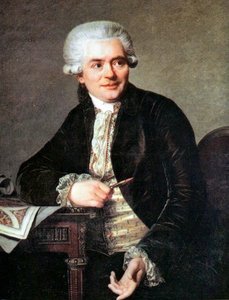
jean henri riesener
1767 - 1828 , Germany
Quick Facts
- Artistic Movement Or Style: Claudean landscape
- Artists Or Movements Influenced By This Artist: ['Impressionists']
- Artists Who Influenced This Artist: ['Claude Lorrain']
- Date Of Birth: 18 February 1767
- Date Of Death: 9 December 1849
- Full Name: John Glover
- Nationality: British
- Notable Artworks:
- Mount Wellington...
- Natives on Ouse...
- A view of his house
- Place Of Birth: Houghton-on-the-Hill, Leicestershire

