

 Preview
 Send
Send Share
Share
 Details

 Download
 Similars
 X-Ray
X-Ray Diaporama
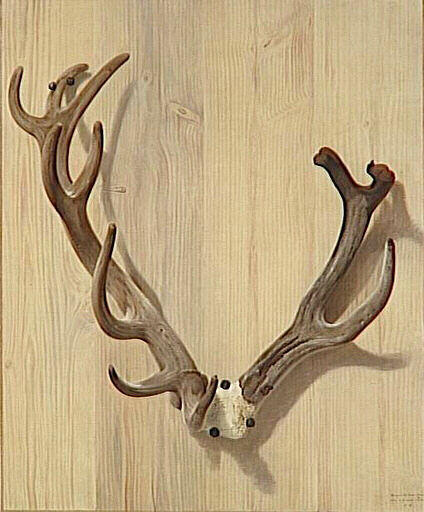
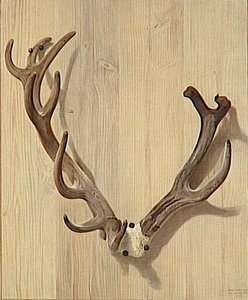
Bois de cerf attaqué à la Haute Queue, le 5 Juillet 1764, à Compiègne
 Read More
Purchase a high-resolution, enhanced digital image, far superior to the online preview.
Each file is meticulously prepared by our in-house specialists using advanced tools and expert manual retouching. We ensure every image has exceptional clarity, precise color accuracy, and fine detail.
The final file is delivered via email within 72 hours, optimized for immediate use in professional, editorial, and print environments. This is the same quality trusted by top-tier design studios, publishers, and galleries.
Digital Image
Download a high-resolution file for personal display, printing, and creative projects. ( Buy Print Buy Hand Made Painting)
Included in Every Digital Image Order
Expert Digital Delivery, Guaranteed
When you choose ArtsDot.com, you're not just getting an image - you're receiving a professionally enhanced digital artwork, crafted with precision and backed by a satisfaction guarantee. Here's everything that comes with your order, automatically:

Fast Email Delivery
Your high-resolution digital image file will be emailed to you within 72 hours of ordering - ready for immediate use.

AI-Enhanced Digital File
Your artwork is professionally optimized using advanced AI tools and manual editing, ensuring maximum detail, clarity, and color accuracy.

Free Lifetime Re-Delivery
Accidentally deleted or lost your file? No worries - we'll resend it to you anytime, free of charge.

No Import Fees - Ever
Enjoy your artwork instantly with zero customs, duties, or delivery fees - digital downloads are always tax-free.

Color Accuracy Guarantee
We ensure your digital image reflects the original colors as closely as possible using professional tools and color management.

60-Day Satisfaction Guarantee
If you're not satisfied with your digital image, we'll revise it or refund 100% within 60 days - no questions asked.

100% Money-Back Guarantee
Not satisfied? Get a full refund within 60 days of receiving your digital file - no questions asked.

Bulk Order Discounts
Buy 3 images, save 10% - Buy 5, save 15% - Buy 10+, save 20%. Great for creative projects, galleries, and agencies.
Related Artworks



Artist Biography
Jean-Jacques Bachelier: The Porcelain Pioneer and Artistic Innovator
Born in Le Havre, France, in 1724, Jean-Jacques Bachelier’s life was a tapestry woven from seemingly disparate threads – a painter, director of the prestigious Sèvres porcelain factory, art school founder, and even a scholar of ancient painting. His journey wasn't one of singular brilliance, but rather a testament to persistent curiosity, meticulous observation, and an unwavering commitment to pushing the boundaries of artistic and industrial practice. Bachelier’s legacy isn’t confined to a single style or movement; it resides in his pioneering spirit and his profound impact on both the art world and the burgeoning field of ceramics.
Bachelier's early life was marked by personal hardship following the untimely deaths of his parents. Forced to assume responsibility for his siblings, he initially postponed his artistic ambitions to manage the family business. However, his innate artistic talent and a deep appreciation for beauty compelled him to pursue formal training, eventually gaining admission to the Académie Royale de Peinture et de Sculpture in 1752. This marked the beginning of a career that would ultimately redefine the possibilities of porcelain production.
The Revolutionary Sèvres Factory
Bachelier’s most significant contribution lies in his role as director of the Sèvres porcelain factory from 1756 to 1793. Prior to his arrival, Sèvres primarily produced a delicate, translucent biscuit porcelain – a first stage in the manufacturing process, lacking the desired glaze and color. Bachelier recognized that this material held immense potential if utilized as a final product. Through tireless experimentation and innovative techniques, he developed a method for creating unglazed biscuit porcelain, a revolutionary approach that fundamentally altered the production of fine ceramics.
This breakthrough wasn’t merely technical; it was profoundly artistic. Bachelier understood that the matte surface of biscuit porcelain offered a unique canvas for detail and texture. He skillfully employed techniques like dry brushing and stippling to create remarkably realistic depictions of flowers, animals, and mythological scenes – subjects that were particularly popular during his time. His work showcased an extraordinary ability to capture subtle nuances of form and light, elevating porcelain from a mere decorative object to a medium capable of conveying complex narratives and emotions.
A Legacy in Art and Education
Beyond his contributions to Sèvres, Bachelier established the École Royale Gratuite de Dessin in 1765. This art school, located within the historic collège d'Autun, served as a vital training ground for artisans and craftsmen, fostering a new generation of skilled ceramicists. The school’s curriculum emphasized design principles, draftsmanship, and an understanding of the technical aspects of porcelain production – reflecting Bachelier’s holistic approach to artistic development.
His influence extended beyond the factory walls and the classroom. Bachelier was also a respected scholar of ancient painting, publishing his treatise on “Histoire et secret de la peinture à la cire” in 1755. This work demonstrated his deep understanding of art history and his commitment to preserving and disseminating knowledge about artistic techniques.
Notable Works and Lasting Significance
Bachelier’s oeuvre is characterized by a remarkable range of subjects, including floral still lifes, animal studies (particularly depictions of deer), and allegorical scenes. His “Roman Charity” (1765), a dramatic portrayal of the virtues of compassion and generosity, exemplifies his ability to infuse his works with profound symbolic meaning. His taxidermied bull head, "Bois de cerf chassé par le Roi à Saint Hubert le 10 Juin 1767," stands as a testament to his meticulous attention to detail and his willingness to explore unconventional subjects.
While often overshadowed by more celebrated contemporaries, Jean-Jacques Bachelier’s contributions were undeniably transformative. He wasn't simply a painter; he was an innovator, an educator, and a pioneer who fundamentally reshaped the landscape of porcelain art and industrial design. His legacy continues to inspire artists and craftspeople today, reminding us of the power of experimentation, dedication, and a relentless pursuit of artistic excellence.
Further Resources:
jean-jacques bachelier
1724 - 1805
Quick Facts
- Artistic Movement Or Style: Painter, Porcelain innovator
- Artists Or Movements Influenced By This Artist: ['Louis Bachelier']
- Artists Who Influenced This Artist: ['Joseph François Ducq']
- Date Of Birth: 1724
- Date Of Death: 1806
- Full Name: Jean-Jacques Bachelier
- Nationality: French
- Notable Artworks:
- La Charité romaine
- Bois de cerf chassé
- Chat angora blanc
- Place Of Birth: Paris, France

