

 Send
Send Share
Share
 Details

 Download
 Similars
 Diaporama
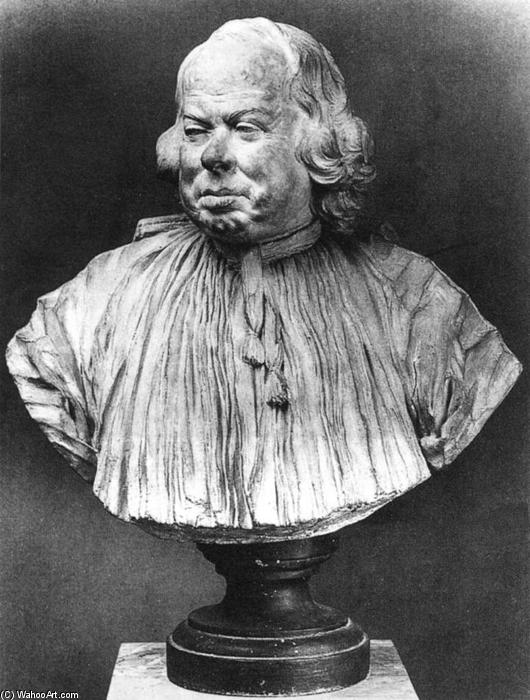
Bust of the Astronomer Chanoine Pingré


 Read More
Purchase a high-resolution, enhanced digital image, far superior to the online preview.
Each file is meticulously prepared by our in-house specialists using advanced tools and expert manual retouching. We ensure every image has exceptional clarity, precise color accuracy, and fine detail.
The final file is delivered via email within 72 hours, optimized for immediate use in professional, editorial, and print environments. This is the same quality trusted by top-tier design studios, publishers, and galleries.
Digital Image
Download a high-resolution file for personal display, printing, and creative projects. ( Buy Print Buy Hand Made Painting)
Included in Every Digital Image Order
Expert Digital Delivery, Guaranteed
When you choose ArtsDot.com, you're not just getting an image - you're receiving a professionally enhanced digital artwork, crafted with precision and backed by a satisfaction guarantee. Here's everything that comes with your order, automatically:

Fast Email Delivery
Your high-resolution digital image file will be emailed to you within 72 hours of ordering - ready for immediate use.

AI-Enhanced Digital File
Your artwork is professionally optimized using advanced AI tools and manual editing, ensuring maximum detail, clarity, and color accuracy.

Free Lifetime Re-Delivery
Accidentally deleted or lost your file? No worries - we'll resend it to you anytime, free of charge.

No Import Fees - Ever
Enjoy your artwork instantly with zero customs, duties, or delivery fees - digital downloads are always tax-free.

Color Accuracy Guarantee
We ensure your digital image reflects the original colors as closely as possible using professional tools and color management.

60-Day Satisfaction Guarantee
If you're not satisfied with your digital image, we'll revise it or refund 100% within 60 days - no questions asked.

100% Money-Back Guarantee
Not satisfied? Get a full refund within 60 days of receiving your digital file - no questions asked.

Bulk Order Discounts
Buy 3 images, save 10% - Buy 5, save 15% - Buy 10+, save 20%. Great for creative projects, galleries, and agencies.
Collectible Description
A Glimpse of Enlightenment: Jean-Jacques Caffiéri’s Bust of the Astronomer Chanoine Pingré
The year is 1788, and within the hallowed halls of the Louvre Museum resides a captivating testament to Rococo artistry – Jean-Jacques Caffiéri's “Bust of the Astronomer Chanoine Pingré.” More than just a sculpted likeness, this terracotta masterpiece offers a poignant window into the intellectual climate of pre-revolutionary France, capturing not only the physical appearance but also the subtle character and contemplative spirit of a learned clergyman. It’s a work that speaks volumes through its quiet dignity and masterful execution.
Caffiéri, a pivotal figure in the Rococo movement, was deeply embedded within the artistic circles of Louis XV's court at Versailles. His training under his father, Philippe Caffiéri – a renowned foundryman steeped in Italian traditions – instilled in him an unparalleled understanding of bronze casting and finishing, skills he honed to perfection throughout his career. This lineage provided him with a foundation of technical expertise that allowed him to excel in both monumental sculptures and intricate decorative metalwork, establishing him as one of the most sought-after artists of his time.
The Language of Form: Technique and Style
Caffiéri’s approach to sculpture is characterized by an exquisite balance between classical realism and the exuberant flourishes of Rococo style. The bust itself is rendered in terracotta, a material that lends itself beautifully to capturing subtle textures and nuances of form. Notice the meticulous attention to detail – the delicate folds of the clothing, the carefully sculpted strands of hair, and the expressive lines of the face. The artist skillfully employs modeling techniques to create a sense of volume and depth, suggesting the weight and solidity of the subject’s presence. The surface is not smooth; rather, it's deliberately textured with subtle ridges and imperfections, mirroring the passage of time and adding an element of authentic character.
The composition is remarkably balanced, with the figure presented in a frontal pose that emphasizes his intellectual stature. The lighting, as captured in contemporary photographs, highlights the contours of his face, casting dramatic shadows that accentuate the planes of his cheeks and forehead. The overall effect is one of dignified composure – a portrait not merely of an astronomer but of a man deeply engaged with knowledge and contemplation.
A Portrait of a Mind: Symbolism and Context
The subject himself, Chanoine Pingré, was a renowned astronomer and scholar during his time. His inclusion in this portrait speaks to the burgeoning interest in scientific inquiry that characterized the Enlightenment era – a period marked by a renewed emphasis on reason, observation, and empirical knowledge. The bust isn’t simply a likeness; it's an emblem of intellectual pursuit, reflecting the values of the age.
Furthermore, the choice of a clergyman as the subject is significant. The Church played a vital role in shaping intellectual thought during this period, and the astronomer’s association with religious life suggests a harmonious blend of faith and reason. The subtle expression on Pingré's face – a hint of skepticism mingled with quiet contemplation – hints at the complexities of reconciling these two domains.
A Legacy Enduring: Caffiéri’s Place in Art History
Jean-Jacques Caffiéri’s “Bust of the Astronomer Chanoine Pingré” stands as a remarkable example of Rococo artistry, showcasing his technical skill, artistic sensibility, and ability to capture the essence of his subject. His work is often found alongside that of other prominent artists of the period, including Philippe Caffiéri, demonstrating a shared commitment to excellence and innovation. Today, this captivating portrait continues to resonate with viewers, offering a glimpse into the intellectual and cultural landscape of 18th-century France – a testament to the enduring power of art to illuminate both the past and the present.
Related Artworks
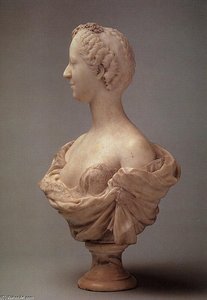
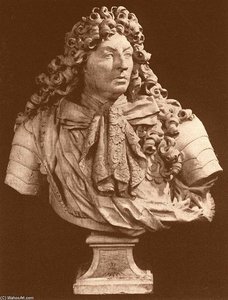
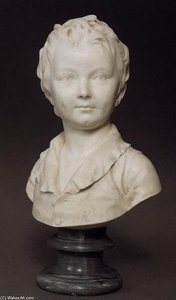
Artist Biography
Jean Jacques Caffiéri: A Rococo Sculptor at the Court of Louis XV
Jean Jacques Caffiéri (1678-1755) stands as a pivotal figure in French sculpture during the Rococo period, embodying the opulent aesthetic and masterful craftsmanship that defined the era. Born in Paris to Philippe Caffiéri, a prominent foundryman who established a lineage dedicated to metalworking artistry, Caffiéri’s artistic journey began within a family steeped in tradition—a heritage profoundly shaped by Italian influences. His early training under his father cemented his foundational skills as a fondeur-ciseleur (caster and finisher), granting him access to the prestigious Guilds of Paris that oversaw monumental sculptural projects alongside intricate decorative metalwork. This formative experience instilled in him an unparalleled understanding of technique and material manipulation, qualities that would characterize his entire oeuvre.- Early Life & Training: Caffiéri’s upbringing within a family renowned for its artistic prowess ensured he received comprehensive instruction in the art of bronze casting and finishing—skills honed under the watchful eye of Philippe Caffiéri himself.
- Guild Recognition & Initial Commissions: By 1715, Caffiéri achieved maître fondeur-ciseleur status, marking his debut as a sculptor with a commission for the Corporation des Fondeurs-Ciseleurs—a testament to his burgeoning reputation and the esteem held by Parisian artisans.
The Caffieri Family’s Legacy: Bronze Sculpture & Decorative Arts
The Caffiéri family's contribution to French sculpture is undeniable, largely attributed to Jacques Caffiéri’s son, Philippe Caffiéri (1714–1777). Together they formed a formidable artistic duo, particularly active in the service of Louis XV. Their workshop in Rue des Canettes produced an astonishing volume of work—primarily gilt-bronze furniture mounts and decorative objects—that adorned residences across Paris and elevated the standards of Rococo craftsmanship. Notably, Caffiéri’s designs for Versailles, Fontainebleau, Marly, Compiegne, and Choisy exemplify the grandeur and elegance synonymous with Louis XV's court. The Château de la Muette retains a remarkable testament to their collaborative spirit—the gilded bronze chimney-piece remains an exemplar of Rococo style, characterized by dynamic movement and graceful ornamentation executed with exceptional skill.- Versailles Projects: Caffiéri’s involvement in the decoration of Versailles solidified his reputation as a sculptor of distinction, contributing significantly to the palace's opulent aesthetic.
- Collaboration with Philippe Caffiéri: The partnership between Jacques and Philippe Caffiéri fostered innovation and elevated the quality of decorative arts during their time.
Royal Patronage & Artistic Achievements
Caffiéri’s dedication to royal service extended beyond architectural embellishments; he undertook numerous commissions for Louis XV, producing portraits and sculptures that captured the spirit of the era. His work gained considerable acclaim during his lifetime, securing him a place among France's most celebrated sculptors. The Wallace Collection houses Caffiéri’s masterpiece—the Royal Commode delivered by Antoine-Robert Gaudreau in 1739 for Louis XV’s bedchamber at Versailles—a stunning example of Rococo design and craftsmanship. Its intricate gilt bronze decorations continue to inspire admiration for their beauty and technical virtuosity.- Wallace Collection Commission: Caffiéri's Royal Commode exemplifies the pinnacle of Rococo artistry, showcasing exceptional skill in metalworking and decorative arts.
- Notable Portraits: Caffiéri’s portraits demonstrate his ability to convey psychological depth and elegance—characteristics that define his artistic legacy.
Influence & Historical Significance
Jean Jacques Caffiéri's influence on subsequent generations of sculptors is considerable, establishing him as a cornerstone of Rococo art history. His meticulous attention to detail, combined with his mastery of bronze casting techniques—inherited from his father—established a tradition that endured for decades after his death in 1755. Caffiéri’s work serves as an enduring symbol of French artistic excellence during the Enlightenment, reflecting the period's fascination with naturalism and refined ornamentation. His legacy continues to inspire artists today, cementing his place among France’s most revered sculptors.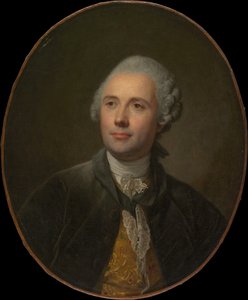
jean jacques caffiéri
1678 - 1755 , France
Quick Facts
- Artistic Movement Or Style: Rococo
- Artists Or Movements Influenced By This Artist: ['Rococo']
- Artists Who Influenced This Artist: ['Philippe Caffieri']
- Date Of Birth: Paris, France (1678)
- Date Of Death: 1755
- Full Name: Jean Jacques Caffiéri
- Nationality: French
- Notable Artworks:
- Royal Commode
- Chimneypiece Decoration
- Portrait of Claude Adrien Helvétius
- Bust of Jean de Rotrou
- Place Of Birth: Paris

