 Preview
 Send
Send Share
Share
 Details

 Download
 Similars
 X-Ray
X-Ray Diaporama
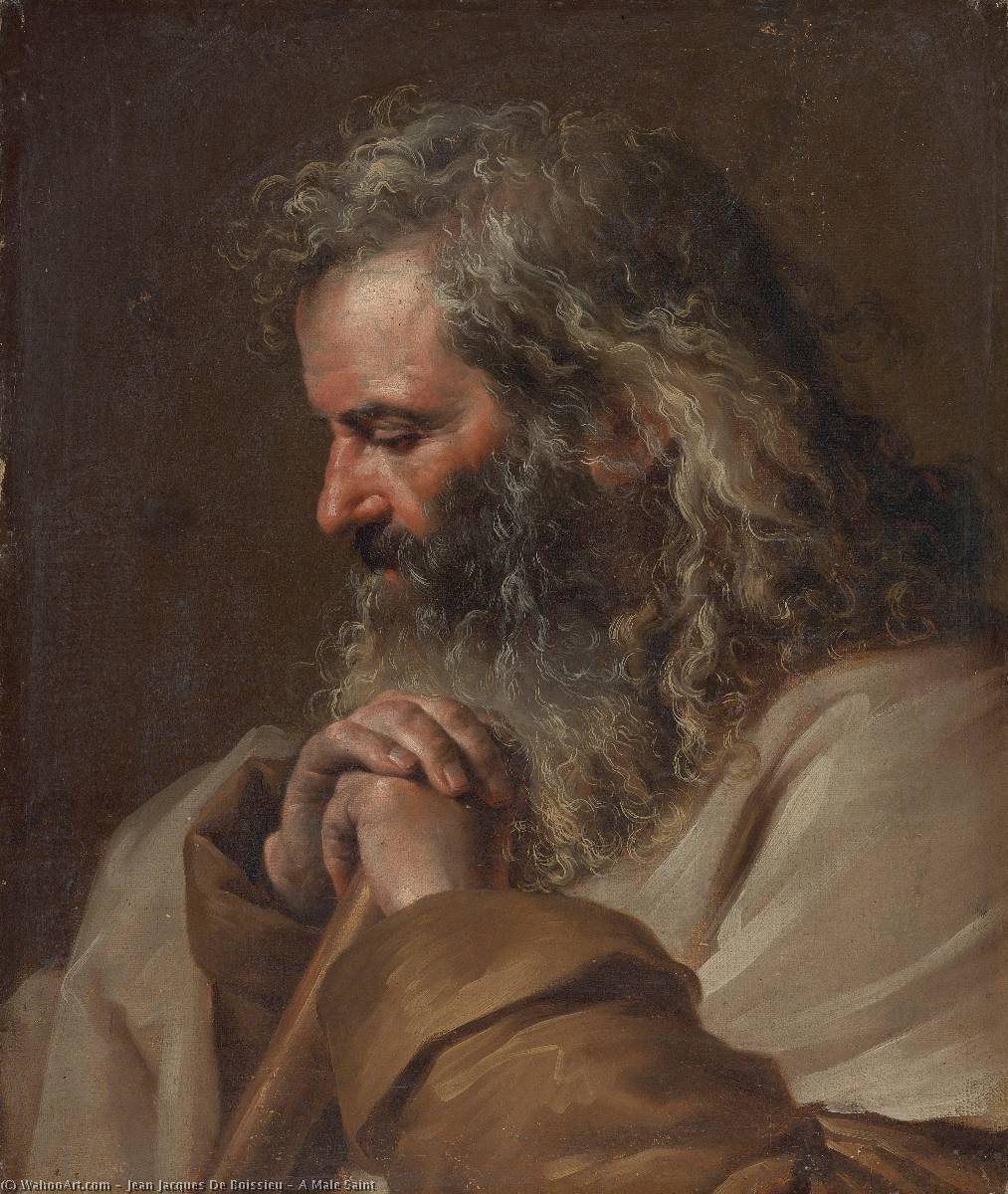
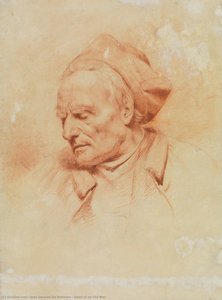
A Male Saint
 55.0 x 46.0 cm
 Read More
Hand Made Oil Reproduction
Hand-painted oil on canvas in your size and frame, made to order by our artists. ( Buy Print Buy Image)




































Pick from our preset sizes that match the artwork's original proportions.

You may enter your own dimensions to fit a specific frame or space. If your selected size does not match the original image's proportions, we will either crop the artwork or extend the painting with additional hand-painted elements. A digital mockup will be sent for your approval before production begins.
Please note that the on-screen preview does not reflect the actual cropping or extension. Only the mockup will accurately show the final composition.
While custom sizes are available, we recommend selecting a dimension from the predefined list to preserve the original proportions.
After order, ArtsDot.com team will email client for instructions and provide a mockup preview
Worldwide Delivery () in 3/4 weeks instead of standard 5 weeks. (17 August). No compromise on quality.

Free Worldwide Express Shipping

High-Quality Linen Canvas

Full Shipping Insurance

Customs Tax Refund Guarantee

True Color Matching Guarantee

60-Day Return Policy (Defects Only)

100% Money-Back Guarantee

Bulk Discount Offer
 Glass option is only available in size under 110 CM

A Male Saint
Reproduction Medium
Reproduction Size
-


Total Price
$ 263
Related Artworks
Artist Biography
Jean-Jacques de Boissieu (1736–1810): The Quiet Genius of Lyon
Jean-Jacques de Boissieu remains a figure shrouded in relative obscurity compared to his contemporaries, yet his contribution to French art—particularly portraiture and landscape depictions—holds considerable merit. Born in Lyon in 1736, he emerged from a milieu steeped in artistic tradition, inheriting skills honed by his uncle, Jean-Charles Frontier, a painter who instilled in him the importance of direct observation and meticulous draughtsmanship.
- Early Life & Training: De Boissieu’s formal education focused on the École Gratuite de Dessin in Lyon, where he absorbed foundational artistic principles. However, his true path was forged independently, driven by an innate fascination for visual representation and a profound respect for nature.
- Influence of Rembrandt & Dutch Tradition: Like many artists of his era, De Boissieu drew inspiration from the Dutch Masters, notably Rembrandt van Rijn. His meticulous attention to tonal gradations—a technique championed by Rembrandt—became a hallmark of his style, reflecting a commitment to capturing subtle nuances of light and shadow.
- Italian Journey & Artistic Development: A pivotal moment in De Boissieu’s artistic trajectory arrived with his voyage to Italy under the patronage of Louis Alexandre, Duc de la Rochefoucauld d'Enville. This expedition broadened his horizons aesthetically and intellectually, exposing him to diverse artistic currents and fostering a deeper appreciation for classical ideals.
- Lyon & Landscape Painting: Returning to Lyon, De Boissieu established himself as a respected artist and teacher, dedicating his energies primarily to landscape painting—particularly depictions of the Rhône Valley and its surrounding countryside. His canvases convey an understated beauty, characterized by serene compositions and harmonious color palettes.
- Notable Works & Legacy: Among De Boissieu’s most celebrated achievements are his portraits of prominent figures from Lyon’s aristocratic circles, as well as his meticulously rendered landscapes that capture the spirit of the region. His legacy resides in his unwavering dedication to craftmanship—a testament to the enduring power of observation and artistic discipline.
His grandson Alphonse de Boissieu described him as “a Dutchman who wandered the pleasant banks of the Saône,” encapsulating a key aspect of De Boissieu’s artistic identity: a steadfast adherence to Dutch artistic conventions while simultaneously forging his own distinctive visual language.
A Landscape Painter's Technique
De Boissieu’s approach to landscape painting distinguished him from many of his contemporaries. Rather than employing bold brushstrokes or dramatic color schemes, he favored a restrained palette—primarily grey and brown ink wash—to achieve remarkable tonal accuracy. This technique allowed him to convey the atmospheric conditions of his subjects with exceptional subtlety.
- Grey Ink Wash: De Boissieu’s mastery of grey ink wash is evident in his numerous landscapes, where he skillfully modulated tones to depict mist, haze, and subtle variations in surface texture.
- Emphasis on Light & Shadow: Like Rembrandt before him, De Boissieu prioritized capturing the interplay of light and shadow—a cornerstone of Baroque and Rococo art—to imbue his canvases with depth and realism.
- Detailed Observation: His drawings were born from direct observation of nature, reflecting a belief that artistic excellence stemmed from meticulous attention to detail and an unwavering commitment to faithfully reproducing visual phenomena.
His works are housed in prestigious institutions such as the Louvre Museum and Musée National Jean-Jacques Henner, ensuring that his contribution to French art history continues to inspire admiration.
Notable Portraits & Artistic Influences
Beyond landscape painting, De Boissieu produced a significant number of portraits—primarily depicting members of Lyon’s aristocratic elite. These portraits showcase his remarkable ability to capture psychological nuance and convey the inner life of his subjects.
- Psychological Penetration: De Boissieu's portraits are characterized by an astute understanding of human emotion, achieved through careful study of facial expressions and body posture.
- Red & Black Chalk Drawings: He frequently employed red and black chalk—a medium favored by artists like Quentin de La Tour—to create expressive drawings that explored themes of melancholy and introspection.
- Connections to Quentin de La Tour: De Boissieu’s artistic sensibilities aligned closely with those of Quentin de La Tour, a fellow Lyon artist who championed the use of tonal gradations and psychological realism.
His influence extended beyond his immediate peers, shaping the aesthetic sensibilities of subsequent generations of artists in Lyon and throughout France.
Recognition & Institutional Collections
De Boissieu’s artistic achievements garnered considerable acclaim during his lifetime, securing him a place among the leading landscape painters of his era. His works are held in prominent museums across Europe—including Musée National du Chateau de Compiegne and Musée de la Chasse et de la Nature—demonstrating the enduring value of his artistic legacy.
- Louvre Museum Holdings: The Louvre houses a substantial collection of De Boissieu’s drawings and prints, underscoring their significance within French art history.
- Musée National Jean-Jacques Henner Collection: Musée National Jean-Jacques Henner boasts an impressive assemblage of De Boissieu's paintings—a testament to his artistic prowess and enduring popularity.
His meticulous draughtsmanship, coupled with his profound sensitivity to light and shadow, cemented his reputation as a master of tonal realism—a distinction that continues to resonate with art historians today.
jean jacques de boissieu
1736 - 1810
Quick Facts
- Artistic Movement Or Style: Rococo
- Artists Or Movements Influenced By This Artist: ['Claude Victor de Boissieu']
- Artists Who Influenced This Artist: ['Rembrandt']
- Date Of Birth: November 30, 1736
- Date Of Death: March 1, 1810
- Full Name: Jean-Jacques de Boissieu
- Nationality: French
- Notable Artworks:
- Head of an Old Man
- Houses in le Pouldu
- Place Of Birth: Lyon, France