 Preview
 Send
Send Share
Share
 Details

 Download
 Similars
 X-Ray
X-Ray Diaporama
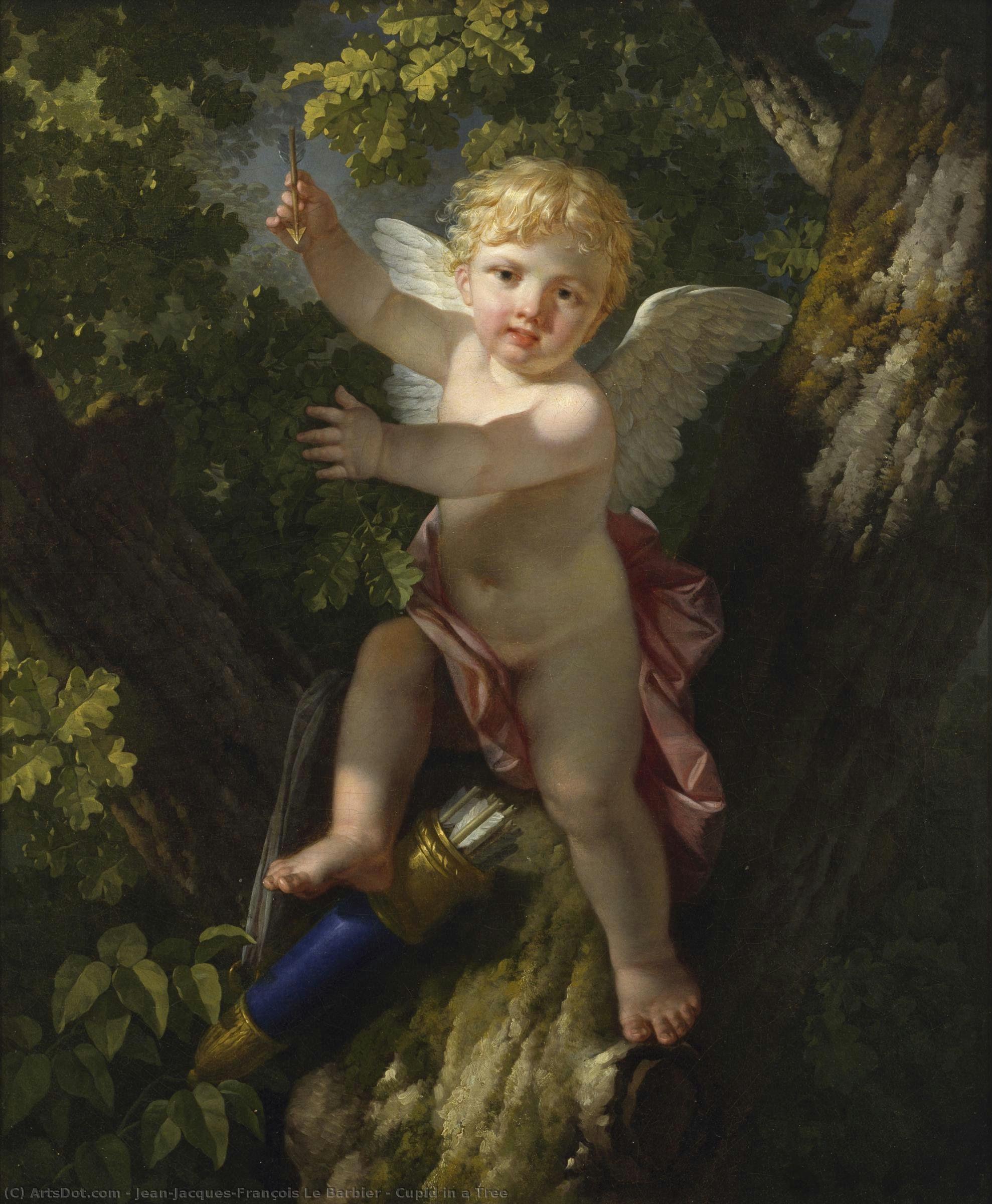
Cupid in a Tree
 1800
1800 52.0 x 62.0 cm
 Read More
Hand Made Oil Reproduction
Hand-painted oil on canvas in your size and frame, made to order by our artists. ( Buy Print Buy Image)




































Pick from our preset sizes that match the artwork's original proportions.

You may enter your own dimensions to fit a specific frame or space. If your selected size does not match the original image's proportions, we will either crop the artwork or extend the painting with additional hand-painted elements. A digital mockup will be sent for your approval before production begins.
Please note that the on-screen preview does not reflect the actual cropping or extension. Only the mockup will accurately show the final composition.
While custom sizes are available, we recommend selecting a dimension from the predefined list to preserve the original proportions.
After order, ArtsDot.com team will email client for instructions and provide a mockup preview
Worldwide Delivery () in 3/4 weeks instead of standard 5 weeks. (17 August). No compromise on quality.

Free Worldwide Express Shipping

High-Quality Linen Canvas

Full Shipping Insurance

Customs Tax Refund Guarantee

True Color Matching Guarantee

60-Day Return Policy (Defects Only)

100% Money-Back Guarantee

Bulk Discount Offer
 Glass option is only available in size under 110 CM

Cupid in a Tree
Reproduction Medium
Reproduction Size
-


Total Price
$ 263
Related Artworks

Artist Biography
Jean-Jacques-François Le Barbier: A Chronicle of the French Revolution and Beyond
Born in Rouen, France, in 1738, Jean-Jacques-François Le Barbier’s life was inextricably linked to the tumultuous era of the late 18th century. His early years were steeped in artistic tradition; his family's background as artists undoubtedly fostered his own creative inclinations from a young age. He received his initial training in Rouen, honing his skills before relocating to Paris, where he rapidly established himself as a respected painter, illustrator, and ultimately, an official artist to the French monarchy. Le Barbier’s career spanned over half a century, witnessing firsthand the seismic shifts of the Revolution and its aftermath, and reflecting these events powerfully through his art.
Early Career and Royal Patronage
Le Barbier's artistic journey began with portraits and genre scenes, steadily gaining recognition within Parisian artistic circles. His talent quickly caught the eye of the French court, leading to a pivotal moment in 1780 when he was appointed as an official painter to King Louis XVI. This prestigious position afforded him access to royal commissions and provided a platform for his work to be showcased at the most important salons. He skillfully navigated the complex political landscape of the time, producing works that reflected both the grandeur of the monarchy and the burgeoning intellectual currents of the Enlightenment.
The Declaration of Rights: A Defining Masterpiece
Le Barbier’s most enduring legacy rests upon his depiction of the adoption of the Declaration of the Rights of Man and of the Citizen in 1789. This monumental painting, a vibrant testament to revolutionary ideals, is arguably his magnum opus. The scene captures the fervor and determination of the assembly as they formally endorse these groundbreaking principles of liberty, equality, and fraternity. The composition—a dynamic interplay of figures engaged in passionate debate—is executed with remarkable skill and dramatic intensity. It’s more than just a historical record; it's an embodiment of the revolutionary spirit itself.
Beyond the Revolution: Tapestries and Continued Commissions
While the Declaration remains his most celebrated work, Le Barbier’s artistic output extended far beyond this single masterpiece. He was also commissioned to design a series of tapestries known as “The Four Continents,” a project that showcased his considerable skill in textile design and historical narrative. These elaborate tapestries, depicting scenes from various regions of the world, were intended to adorn the walls of Versailles and served as both decorative objects and educational tools. Throughout his career, Le Barbier continued to receive commissions for portraits, allegorical paintings, and historical subjects, demonstrating his versatility and enduring popularity.
Legacy and Influence
Jean-Jacques-François Le Barbier’s artistic legacy extends beyond the individual works he created. He represents a crucial link between the Neoclassical tradition and the Romanticism that followed. His meticulous attention to detail, his skillful use of color and light, and his ability to capture dramatic emotion influenced generations of French artists. His daughter, Élise Bruyère, continued the family artistic tradition, further solidifying their place in the history of French art. Today, Le Barbier’s paintings are housed in prestigious museums across France, including the Musée Maurice Denis in Paris, a testament to his enduring significance as a painter and chronicler of a pivotal moment in European history.
Visitors interested in exploring more about Jean-Jacques-François Le Barbier's life and work can visit Artexpertswebsite, or explore related artworks on platforms like ArtsDot.com.
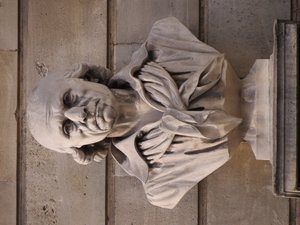
jean-jacques-françois le barbier
1738 - 1826 , France
Quick Facts
- Artistic Movement Or Style: Neoclassical
- Date Of Birth: 1738, Rouen, France
- Date Of Death: 1826, Paris, France
- Full Name: Jean-Jacques-François Le Barbier
- Nationality: French
- Notable Artworks:
- Declaration Rights Man
- Four Continents Tapestries
- Place Of Birth: Rouen, France