 Preview
 Send
Send Share
Share
 Details

 Download
 Similars
 X-Ray
X-Ray Diaporama
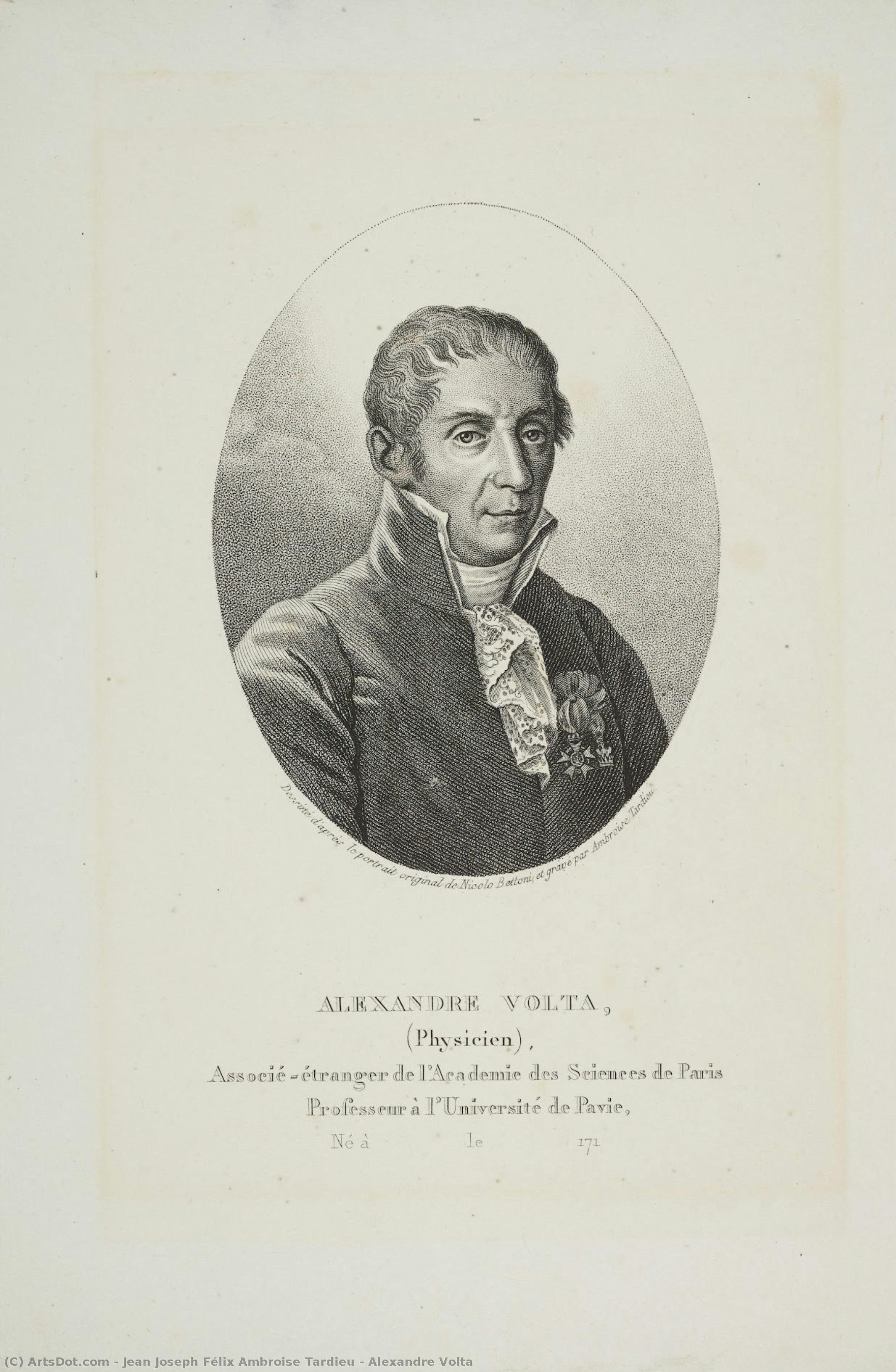
Alexandre Volta


 Read More
Giclée / Art Print
Museum-quality giclée or canvas print with fast production and flexible finish options. ( Buy Hand Made Painting Buy Image)




































Pick from our preset sizes that match the artwork's original proportions.

You may enter your own dimensions to fit a specific frame or space. If your selected size does not match the original image's proportions, we will either crop the artwork or extend the image with a mirrored or solid-fill edge. A digital mockup will be sent for your approval before production begins.
Please note that the on-screen preview does not reflect the actual cropping or extension. Only the mockup will accurately show the final composition.
While custom sizes are available, we recommend selecting a dimension from the predefined list to preserve the original proportions.
Worldwide Delivery () in 2 weeks instead of standard 4/5 weeks. (23 August)

Free Worldwide Express Shipping

High-Quality Linen Canvas

Full Shipping Insurance

Customs Tax Refund Guarantee

True Color Matching Guarantee

60-Day Return Policy (Defects Only)

100% Money-Back Guarantee

Bulk Discount Offer
 Glass option is only available in size under 110 CM

Alexandre Volta
Giclée / Art Print
Reproduction Size
-


Total Price
$ 63
Related Artworks







Artist Biography
A Cartographer’s Legacy: The Life and Work of Ambroise Tardieu
Ambroise Tardieu, born in Paris on March 2nd, 1788, emerged from a lineage steeped in the art of engraving. His life unfolded during a period of immense geographical exploration and shifting political landscapes, profoundly shaping his career as both a cartographer and portrait engraver. While perhaps not a household name today, Tardieu’s meticulous work played a significant role in disseminating knowledge about the world—particularly for an emerging American audience—and documenting the prominent scientific figures of his time. He wasn't merely copying maps; he was translating visions of distant lands into tangible form, and immortalizing the faces that drove intellectual progress. His story is one of familial dedication, entrepreneurial spirit, and a quiet contribution to the broader currents of 19th-century art and science.From Family Workshop to Geographical Engraver
The foundation of Tardieu’s artistic journey was undoubtedly his family. He benefited from early training under the tutelage of his uncle, Pierre Alexandre Tardieu, a respected engraver in Paris. This apprenticeship instilled not only technical skill but also an appreciation for precision and detail—qualities that would become hallmarks of his own work. While demonstrating considerable talent as a portrait engraver, Ambroise’s path took a fascinating turn with his appointment as geographical engraver for the French government. Though the position offered only a modest income, it provided access to cartographic materials and sparked an interest in mapmaking. To supplement his earnings, Tardieu shrewdly engaged in trading prints, books, and maps, revealing an astute business sense alongside his artistic abilities. This entrepreneurial drive would prove crucial throughout his career. He wasn’t content simply executing commissions; he actively sought opportunities to expand his reach and influence.The American Map and a Growing Reputation
Ambroise Tardieu is most celebrated for his rendition of John Arrowsmith's 1806 map of the United States. This wasn’t an original creation, but rather a skillful re-engraving and updating of Arrowsmith’s work for French audiences. However, it was a task that cemented his reputation as a capable cartographer. The map proved popular, offering Europeans a detailed view of the burgeoning nation across the Atlantic. Beyond this landmark achievement, Tardieu dedicated himself to portrait engraving, producing over 800 portraits throughout his career. These weren’t simply likenesses; they were carefully crafted representations of scientists, mathematicians, and other intellectuals who shaped the era. His work served as a visual record of intellectual life in France and beyond. He became known for capturing not just physical features but also an essence of character—a testament to his artistic sensitivity.A Legacy Etched in Detail
Tardieu’s contributions extended beyond individual portraits and maps. He published numerous atlases, including a comprehensive *Atlas universel de geographie, ancienne et moderne* which appeared in 1842, intended to provide an accessible overview of global geography for students and scholars alike. His dedication to disseminating knowledge is further evidenced by his creation of an inflatable terrestrial globe—an innovative educational tool designed to bring the world into classrooms and homes. He died in Paris on January 17th, 1841, leaving behind a substantial body of work that reflects both artistic skill and intellectual curiosity. While his son, Auguste Ambroise Tardieu, achieved renown as a forensic scientist, it is the elder Tardieu’s legacy as a cartographer and engraver—a meticulous recorder of places and people—that continues to resonate today. His works offer a glimpse into a world undergoing rapid change, captured with precision, artistry, and a quiet dedication to knowledge.Historical Significance
Ambroise Tardieu’s significance lies not in groundbreaking innovation but in his skillful execution of existing designs and his commitment to making geographical information accessible. He operated at the intersection of art, science, and commerce, embodying the spirit of the Enlightenment era. His maps helped shape European perceptions of America during a crucial period of its development, while his portraits provided visual representations of the intellectual elite who drove scientific progress. He was a facilitator of knowledge, translating complex information into tangible forms that could be widely disseminated. Furthermore, Tardieu’s entrepreneurial spirit—his willingness to trade in prints and books alongside his commissioned work—demonstrates an understanding of the evolving art market and the importance of reaching a broad audience. His legacy is one of quiet dedication, etched in the fine lines of his engravings and the detailed contours of his maps, offering valuable insights into the world of the 19th century.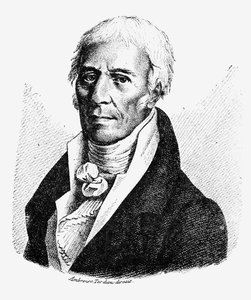
jean joseph félix ambroise tardieu
1788 - 1841 , France
Quick Facts
- Artistic Movement Or Style: Cartography, Engraving
- Artists Who Influenced This Artist: ['Pierre Alexandre Tardieu']
- Date Of Birth: March 2, 1788
- Date Of Death: January 17, 1841
- Full Name: Jean Joseph Félix Ambroise Tardieu
- Nationality: French
- Notable Artworks:
- US Map rendition (1806)
- Over 800 portraits
- Place Of Birth: Paris, France